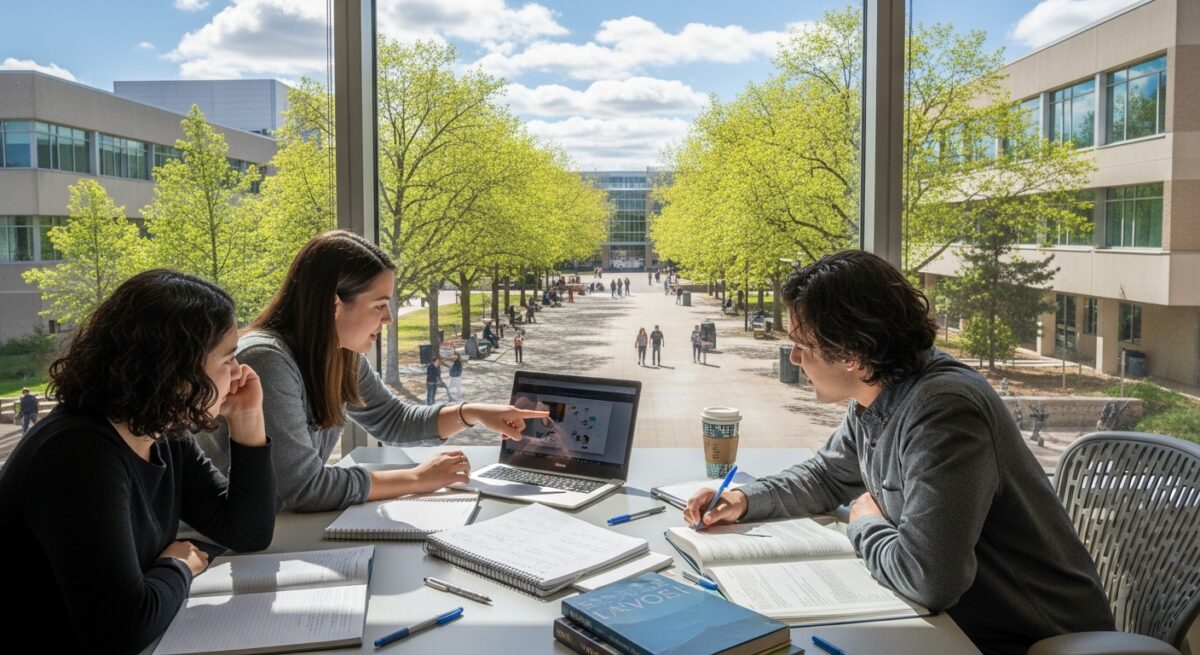
College is a transformative period of growth, learning, and self-discovery, but it also presents significant challenges to a student’s mental well-being. The pressures of academic performance, social integration, financial strain, and planning for an uncertain future can create a perfect storm for stress, anxiety, and depression. Recognizing this, universities across the country have significantly expanded their support systems. Knowing how to access and effectively utilize the mental health resources on campus is not a sign of weakness, it is a critical component of academic success and personal resilience. This guide provides a comprehensive look at the types of support available, how to navigate them, and strategies for building a sustainable foundation for mental wellness throughout your college journey.
Understanding the Spectrum of Campus Support
Modern campus mental health care is designed as a multi-tiered system, offering support ranging from preventative wellness initiatives to intensive clinical counseling. The central hub is typically the university counseling center (UCC). These centers are staffed by licensed professionals, including psychologists, clinical social workers, and counselors, who provide short-term individual therapy, group therapy sessions, and sometimes psychiatric consultations for medication management. It is crucial to understand that most UCCs operate on a short-term model due to high demand, meaning they focus on addressing immediate concerns and developing coping strategies, then may refer students to longer-term providers in the local community if needed.
Beyond the counseling center, support is often decentralized across campus. Academic advisors and professors can be allies, providing accommodations or extensions during difficult periods. Campus ministries and cultural centers offer community-based support. Many schools now have peer support programs, where trained student volunteers provide a listening ear and guide their peers toward professional resources. Furthermore, the campus health center is a key player, as physical and mental health are deeply connected. They can address sleep issues, nutrition, and other physiological factors impacting mood, and often have providers who can prescribe or manage psychiatric medications.
Taking the First Step: How to Access Services
Initiating contact with mental health resources on campus can feel daunting. The process usually begins with an intake appointment, often called a triage or initial consultation. This is a confidential meeting where a clinician assesses your needs, discusses your concerns, and recommends the next steps, which could be individual therapy, a therapy group, or a referral. To prepare, visit your university’s health and wellness website. Look for the counseling center’s page, which will have information on how to schedule an appointment, often via phone, online portal, or walk-in during specific hours. Be prepared to answer basic questions about what brings you in and your availability.
It’s important to advocate for yourself during this process. If you feel your needs aren’t being met by the initial recommendation, it’s okay to ask questions. Inquire about wait times, the theoretical orientations of available therapists, or the specifics of group therapy topics. Remember, finding the right fit is key to effective support. For students concerned about privacy, all licensed counseling centers are bound by strict confidentiality laws, with exceptions only for imminent risk of harm to self or others. Your information is not shared with professors, parents, or administrators without your explicit written consent, except in those rare, extreme circumstances.
Beyond Counseling: Holistic Wellness Resources
Clinical therapy is one vital piece, but a holistic approach to mental health incorporates numerous other campus resources. Wellness and recreation departments are powerhouses for stress management. They offer fitness classes, mindfulness workshops, yoga sessions, and relaxation spaces, all proven to reduce anxiety and improve mood. Nutritional counseling through dining services or the health center can help address diet-related energy and mood fluctuations. Furthermore, your living environment plays a massive role. Whether you are in on-campus vs off-campus housing, creating a restful, organized personal space is foundational. Resident Advisors (RAs) are also trained to provide initial support and referral for students in their dorm communities.
Academic support centers are indirect but powerful mental health resources. Struggling in a class is a major stressor. Utilizing tutoring, writing centers, and academic coaching can alleviate the anxiety stemming from academic performance. Time management and study skills workshops can reduce the feeling of being overwhelmed. Proactively managing your academic load, including thoughtful degree planning for students, can prevent burnout and create a more balanced and sustainable college experience. Securing a manageable course schedule that aligns with your long-term goals is a proactive step in preserving mental well-being.
Building Your Personal Mental Health Toolkit
While institutional resources are essential, cultivating personal practices for mental resilience is equally important. This involves developing daily habits that support your emotional well-being. Consistent sleep, regular physical activity, and balanced nutrition form the non-negotiable triad of mental health maintenance. Social connection is another pillar. Intentionally nurturing friendships, joining clubs aligned with your interests, and making time for social activities combat isolation. It’s also valuable to identify your personal stressors and early warning signs of declining mental health, such as changes in sleep patterns, irritability, or loss of interest in activities.
Creating a simple self-care plan can provide structure during stressful times. This plan might include a list of activities that help you recharge, people you can reach out to, and campus resources you can access. Technology can also aid your toolkit, with many universities offering subscriptions to mental wellness apps like Headspace or Sanvello for meditation and mood tracking. The goal is to move from a crisis-response model to a maintenance and prevention model, where you have established routines and know exactly where to turn if those routines are not enough.
Frequently Asked Questions
Are campus counseling services free? Typically, yes. Most university counseling centers are funded by student health fees, so there is no additional per-session cost for enrolled students. There may be fees for specialized assessments, psychiatric medication management, or if you exceed a certain number of sessions. Always confirm the cost structure during your intake.
What if I need help after hours or during a crisis? All universities have a 24/7 crisis line. This number is often found on the back of your student ID, on the counseling center website, or by calling the campus police non-emergency line. Many schools also partner with telehealth services that provide after-hours support. For immediate, life-threatening emergencies, always call 911 or go to the nearest emergency room.
Can I choose my therapist at the counseling center? This depends on the center’s staffing and model. You can always request a therapist based on gender, cultural background, or specialty (e.g., trauma, anxiety). Centers will try to accommodate requests, but due to availability, it may not always be possible. You can discuss fit and preferences openly during your intake.
What’s the difference between group therapy and a support group? Group therapy is a formal, clinician-led process focused on therapeutic change for a small, closed group of students. A support group, often peer-facilitated, is more informal and focuses on shared experiences and mutual support, such as groups for grief, stress, or students of color.
Will using mental health resources go on my academic record? Absolutely not. Counseling records are separate from your academic and disciplinary records. Confidentiality is legally protected, and information cannot be released without your written permission except in the specific, rare circumstances mandated by law.
The journey through higher education is as much about personal development as it is about academic achievement. Proactively engaging with the mental health resources on campus is a strategic and intelligent way to ensure you are equipped to handle the inevitable challenges. From the counseling center to the recreation gym, from your academic advisor to your peer network, a robust ecosystem of support exists with the singular goal of helping you not just survive, but thrive. Your mental well-being is the foundation upon which your college success is built, and investing in it is one of the most important assignments you will ever undertake.