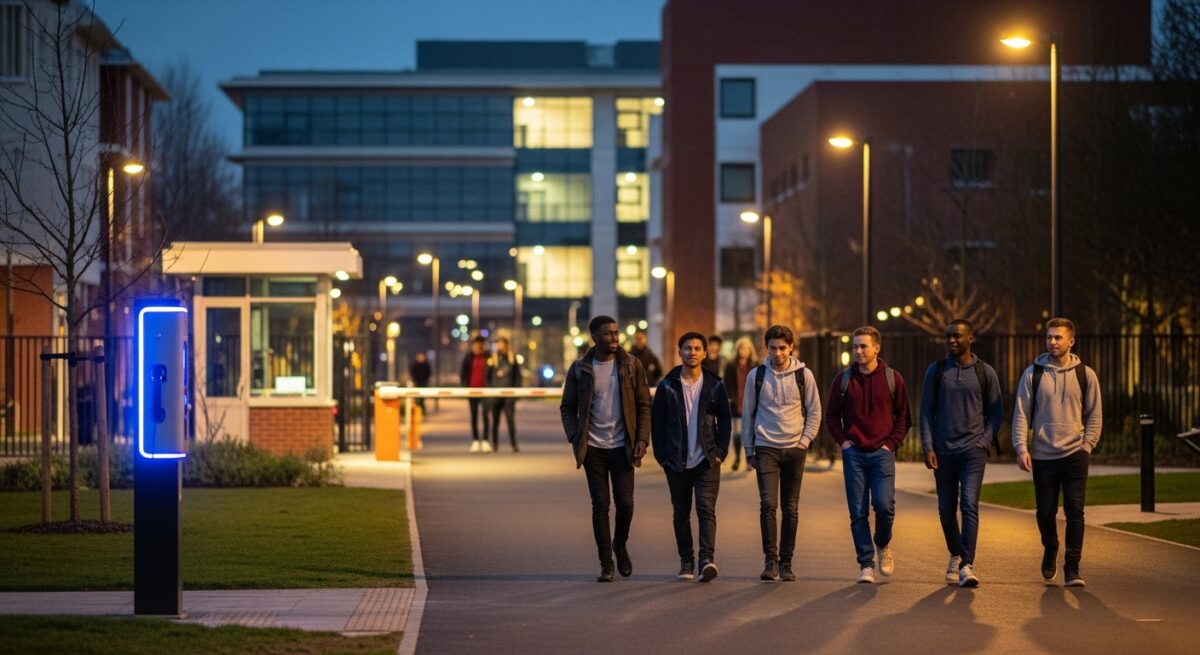
Choosing a college is one of the most significant decisions a student and their family will make. While academic programs, campus culture, and cost are paramount, an often under-prioritized factor is the comprehensive safety and security infrastructure of the institution. A safe environment is the foundational bedrock upon which academic success and personal growth are built. For many students, especially those living away from home for the first time, understanding the campus safety features to look for can transform an overwhelming process into an informed, confident choice. This guide moves beyond basic checklists to explore the integrated systems, proactive policies, and cultural indicators that define a truly secure campus, empowering you to ask the right questions and evaluate a school’s commitment to student well-being holistically.
Physical Security Infrastructure and Access Control
The most visible campus safety features are often the physical measures in place to control access and monitor activity. These systems serve as the first line of defense, creating a controlled environment where unauthorized individuals are deterred and identified. A modern campus should employ a layered security approach, meaning that multiple systems work in concert rather than relying on a single point of protection. This begins at the perimeter. Well-defined campus boundaries with clear signage, adequate lighting, and controlled vehicle entry points establish a sense of place and oversight. From there, security should extend to individual buildings, particularly residence halls, academic buildings after hours, and parking structures.
Key elements of a robust physical security system include electronic access control for dormitories and sensitive buildings, requiring a student ID card or key fob for entry after certain hours. This prevents tailgating and ensures only authorized individuals can enter living and learning spaces. Surveillance cameras, or CCTV systems, should be strategically placed in public areas, parking lots, building entrances, and along frequently traveled pathways. Their presence acts as both a deterrent and a crucial investigative tool. Importantly, the mere presence of cameras is not enough; inquire about who monitors the feeds, how long footage is retained, and the protocols for reviewing footage in the event of an incident. Another critical feature is a network of well-maintained emergency phones, often recognizable by their blue lights, strategically placed throughout campus grounds. These should provide a direct, immediate line to campus security with location identification at the push of a button.
When evaluating a campus, consider the following physical security features as non-negotiable components:
- Electronic keycard access for all residence halls and 24/7 academic buildings.
- A comprehensive, well-lit emergency phone system with clear visibility.
- Strategically placed security cameras covering high-traffic and isolated areas.
- Controlled vehicle access points, especially at night.
- Secure, well-lit parking facilities with emergency call boxes.
The integration of these systems is what creates true security. For instance, a report from an emergency phone should instantly alert dispatch to the caller’s location, and nearby cameras could be automatically directed to that area. When touring campuses, do not hesitate to ask admissions officers or campus security for specifics on these systems. Their willingness to detail these protocols is often a strong indicator of institutional priority.
Personal Safety Tools and Emergency Communication Systems
In today’s digital age, campus safety extends far beyond blue light phones. A proactive institution leverages technology to put personal safety tools directly into the hands of every student, faculty, and staff member. The cornerstone of this approach is a mass notification system. This is a multi-platform alert system capable of sending instant messages via text (SMS), email, mobile app push notifications, social media, and even desktop alerts. These systems are used for imminent threats like severe weather, active violence situations, significant campus closures, or other critical emergencies. When evaluating this feature, ask about the opt-in process (it should be automatic for enrolled students), the frequency of test alerts, and the types of scenarios that trigger an alert. A school that tests its system regularly and uses it judiciously demonstrates operational competence.
Beyond broad alerts, many schools now offer dedicated safety mobile applications. These apps often consolidate numerous safety functions into a single interface, transforming a smartphone into a personal safety device. Common features include virtual escort services, where security can monitor a user’s walk in real-time; quick-tap emergency buttons that send location and user data directly to campus police; and the ability to submit anonymous tips about concerning behavior or safety hazards. Some apps integrate with wearable devices or allow for discreet alert triggering. The availability and promotion of such an app is a strong positive indicator. Furthermore, clear and accessible communication channels for non-emergency concerns, such as well-publicized phone numbers and email addresses for the campus security department, are essential. Students should know exactly whom to contact to report a flickering light, a broken lock, or a feeling of unease, fostering a community-oriented approach to safety. For students considering online or hybrid learning paths, understanding the digital safety protocols and support resources is equally vital. Those exploring academic degree resources for remote programs should inquire about the institution’s cybersecurity measures, data privacy policies, and online student support services.
Policies, Procedures, and the Human Element
The most advanced technology is rendered ineffective without clear policies, trained personnel, and a supportive institutional culture. This human and procedural layer is arguably the most important campus safety feature to look for. It begins with the campus security department itself. Are they sworn police officers with full arrest powers and extensive training, or are they non-sworn security officers? There are effective models for both, but transparency about their authority, training standards, and relationship with local law enforcement is key. You should investigate their responsiveness, typically measured by average response times to high-priority calls, and their visibility on campus through regular patrols, both on foot and in vehicles.
Critical policies that demand scrutiny include the campus’s Clery Act compliance. The Jeanne Clery Act requires colleges and universities to report campus crime data, support victims of violence, and publicly outline their security policies. A school’s Annual Security Report (ASR) is a treasure trove of information, detailing crime statistics for the past three years, security policy descriptions, and procedures for reporting crimes. Any prospective student or parent should locate and review this report. Equally important are the specific protocols for handling emergencies like mental health crises, sexual assault, and bias-related incidents. Look for evidence of dedicated victim advocates, confidential reporting options, and clear disciplinary procedures.
Perhaps the most telling aspect is the campus culture around safety and wellness. This is cultivated through mandatory training programs for students on topics like bystander intervention, consent, and alcohol safety. It is reflected in the presence and promotion of a 24/7 crisis counseling hotline. It is evidenced by well-funded and accessible student health services, including mental health counseling. A safe campus is one where students feel empowered and knowledgeable, not just protected. This involves robust orientation programs that thoroughly review safety resources, easily accessible online databases of safety information, and a general atmosphere where students look out for one another. When visiting, ask current students about their perception of safety and their familiarity with available resources. Their candid responses can be more revealing than any official brochure.
Environmental Design and Wellness Support
Safety is not solely reactive, it is also designed into the physical and social environment. The concept of Crime Prevention Through Environmental Design (CPTED) is a multidisciplinary approach that uses urban and architectural design to reduce crime. On a campus, this translates to features that promote natural surveillance, territorial reinforcement, and a sense of community. Key elements include exceptional lighting in all walkways, parking areas, and building exteriors, eliminating shadows and dark corners that can conceal illicit activity. Landscaping should be maintained to provide visibility, not hiding spots, with low, trimmed bushes and clear sightlines.
The layout of pathways should direct foot traffic along safe, well-traveled routes, and buildings should be designed with entrances and exits that are visible from the street or other buildings. A campus that feels open, inviting, and actively used at all hours is generally safer than one that becomes desolate after dark. Furthermore, comprehensive wellness support is a proactive safety feature. A student struggling with mental health, substance use, or extreme stress is at higher risk. Therefore, a campus with readily available, affordable, and destigmatized psychological services, substance abuse counseling, and peer support groups is actively preventing crises before they escalate. Health centers that offer extended hours, sexual health resources, and basic medical care contribute to overall student resilience. These support structures are integral to a holistic safety model, addressing the root causes of many campus incidents and fostering a healthier, more secure student body.
Frequently Asked Questions
What is the most important campus safety feature for parents to ask about?
While all features are interconnected, parents should prioritize understanding the mass notification system and the campus’s Clery Act Annual Security Report. The alert system is the primary tool for communicating during an active crisis, and the ASR provides transparent, historical data on campus crime and a full accounting of security policies, offering a factual basis for evaluation.
How can online students assess campus safety features?
Online students should review the same digital resources, including the ASR and safety app availability, as they may visit campus for orientations or residencies. They should also specifically inquire about the institution’s cybersecurity measures for protecting student data, online proctoring security, and what virtual support services (like online counseling and tech support) are offered to remote learners.
Are urban campuses inherently less safe than rural ones?
Not necessarily. Safety is a function of infrastructure and policy, not just location. An urban campus often invests heavily in integrated security systems, has a larger security force, and benefits from close integration with city police and robust public transportation safety. A rural campus may have different challenges, like isolated areas and longer emergency response times from external agencies. The key is how the institution addresses its unique environmental risks.
What should I do if I feel a campus is not addressing safety concerns seriously?
Document your specific concerns and address them in writing to the Office of Admissions, the Dean of Students, and the Campus Security Director. Ask for detailed responses. If responses are unsatisfactory, it is a significant red flag. You can also research if the campus has any pending violations with the Department of Education related to Clery Act compliance.
How often should a school test its emergency systems?
At a minimum, mass notification systems should be tested each semester. Many institutions test them once per term. Full-scale emergency drills, such as those for severe weather or active threats, should be conducted at least annually, with clear communication to the campus community about the drill beforehand to prevent panic.
Evaluating campus safety requires moving beyond a superficial glance at blue lights and campus police cars. It demands a thorough investigation of the technological, human, procedural, and environmental layers that work together to create a secure community. By prioritizing these campus safety features during your search, you advocate for an environment where learning can truly flourish, free from undue fear and distraction. The peace of mind that comes from this diligence is an invaluable part of the college investment, for both students and the families who support them.