Choosing a college degree is a monumental decision, but the path to earning it is just as critical. Today, the landscape of higher education extends far beyond the traditional lecture hall, offering a spectrum of learning formats designed to fit diverse lifestyles, learning styles, and career goals. Understanding the nuances of synchronous online sessions, self-paced asynchronous modules, hybrid schedules, and immersive in-person experiences is essential for academic success. Selecting the right format can mean the difference between thriving and merely surviving your college years, impacting your engagement, time management, and ultimate satisfaction with your education.
The Evolution of the College Classroom
The concept of a college classroom has undergone a radical transformation in recent decades. While the iconic image of a professor lecturing to rows of students persists, it now represents just one point on a continuum of educational delivery. This evolution has been driven by technological advancement, changing student demographics, and a deeper understanding of pedagogical effectiveness. The shift accelerated notably in the 21st century, moving from a one-size-fits-all model to a learner-centric ecosystem. This means the modern student isn’t just choosing a major; they’re architecting their entire learning environment. From working adults seeking career advancement to recent high school graduates valuing campus life, the array of college learning formats explained here provides a tailored pathway for nearly every aspirant.
In-Depth Analysis of Primary Learning Formats
To make an informed decision, prospective students must dissect the core structures, benefits, and challenges of each primary format. Each model serves a distinct purpose and caters to specific preferences and circumstances.
Traditional In-Person Learning
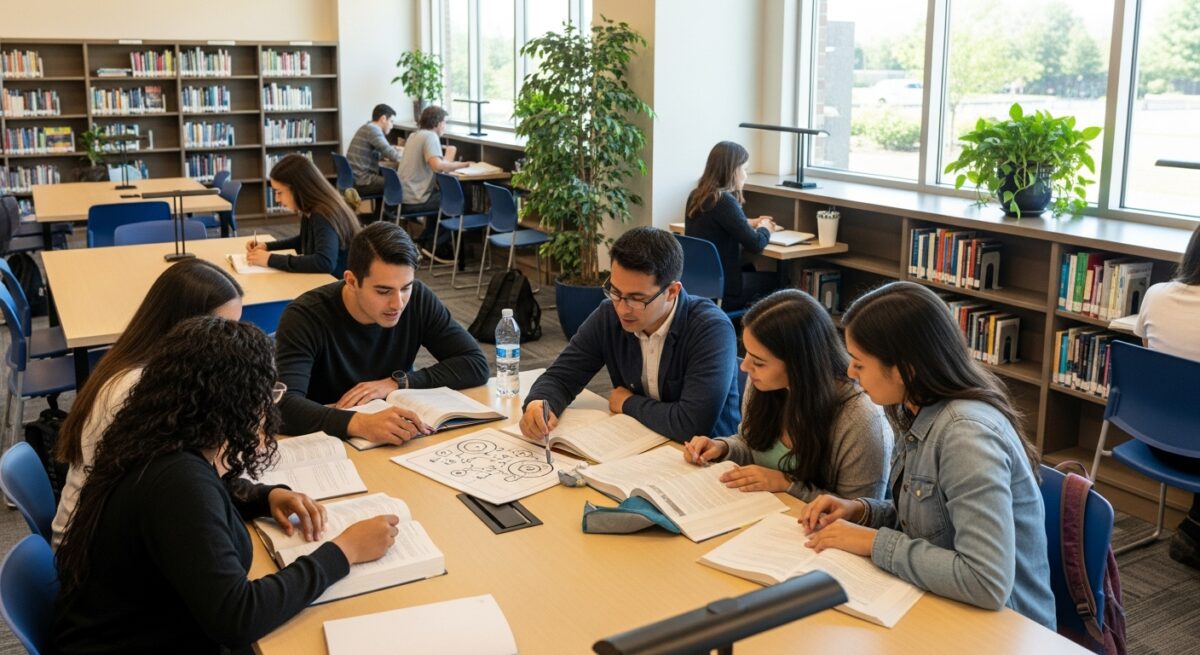
Traditional in-person learning remains the bedrock of the collegiate experience for many. This format involves attending scheduled classes on a physical campus, allowing for direct, real-time interaction with instructors and peers. The benefits are deeply rooted in immersion and structure. Students gain from spontaneous discussions, group work conducted face-to-face, immediate clarification of complex topics, and access to on-campus facilities like libraries, labs, and study spaces. The structured schedule provides a routine that can enhance discipline and time management. However, this model demands significant geographic and temporal commitment, often comes with higher associated costs for housing and transportation, and offers less flexibility for those balancing work or family obligations. It is ideal for students who thrive on social interaction, benefit from a structured environment, and seek the full “college life” experience.
Online Learning: Asynchronous and Synchronous
Online learning has matured into a sophisticated and respected modality, broadly categorized into two types: asynchronous and synchronous. Asynchronous online learning is the pinnacle of flexibility. Students access pre-recorded lectures, discussion boards, reading materials, and assignments via a learning management system (like Canvas or Blackboard) on their own schedule within set weekly deadlines. This format is perfect for self-motivated learners, those in different time zones, or individuals with irregular work hours. Synchronous online learning replicates the scheduled nature of in-person classes but in a virtual space. Students and instructors meet live via video conferencing platforms at specific times for lectures, seminars, and group projects. This model preserves real-time interaction and community building while eliminating commute. A key advantage of both online types is the development of digital literacy and self-directed learning skills, highly valued in today’s remote-work economy. For comprehensive college degree guidance on navigating these digital options, prospective students should consult dedicated resources.
The Hybrid or Blended Model
Hybrid, or blended, learning seeks to harness the strengths of both physical and digital worlds. In this model, a significant portion of the course content is delivered online, typically through asynchronous materials, while the remainder involves mandatory in-person sessions. These on-campus meetings might be weekly, bi-weekly, or in intensive blocks, and are often reserved for hands-on labs, collaborative projects, discussions, or exams. The hybrid approach offers a balanced compromise: it provides the flexibility to manage much of the coursework on one’s own time while preserving valuable face-to-face networking and interactive learning. It reduces the frequency of commutes compared to a fully in-person program but still requires living within feasible distance of the campus. This format is increasingly popular for graduate programs, nursing degrees, and STEM fields where both theoretical knowledge and practical application are essential.
Emerging and Niche Instructional Models
Beyond the primary formats, innovative models are responding to specific educational needs. Low-Residency programs, common in master’s of fine arts (MFA) or certain doctoral tracks, involve brief, intensive on-campus residencies (e.g., one week per semester) coupled with extended periods of remote, guided independent work. This is ideal for professionals who cannot relocate. HyFlex is a technologically enabled model where each class session is offered in-person, synchronously online, and asynchronously online simultaneously. Students can choose their mode of attendance on a day-by-day basis, offering maximum autonomy. Competency-Based Education (CBE) departs from the credit-hour system entirely, allowing students to progress through material as they demonstrate mastery of specific skills and knowledge, often at an accelerated pace and for a flat-rate tuition. This model is highly career-focused and efficient for experienced learners.
Choosing Your Ideal Learning Format
Selecting the right format is a personal calculus that requires honest self-assessment. The decision should align with your individual circumstances, learning preferences, and long-term objectives. To systematically evaluate your options, consider the following key factors:
- Learning Style: Do you learn best through listening and discussion (favoring synchronous/in-person), or through reading and solo reflection (suited to asynchronous)? Do you need external deadlines or are you self-motivated?
- Lifestyle & Commitments: Analyze your weekly schedule. Do you have fixed work hours, family responsibilities, or geographical constraints? How much control do you have over your daily and weekly time?
- Financial & Logistical Considerations: Compare total costs, including tuition differentials, technology needs, commuting, and potential housing. Consider the time investment of travel versus the need for a reliable internet connection and a dedicated home workspace.
- Career Goals & Program Requirements: Some professions and accreditations may require hands-on, in-person clinicals, labs, or performances. Research if your desired field has specific modality expectations.
- Need for Community & Networking: Determine how important spontaneous peer interaction, professor office hours, and campus events are to your educational and social goals.
After weighing these factors, the most actionable step is to conduct thorough research on specific programs. Scrutinize course syllabi samples, reach out to admissions counselors with specific questions about delivery, and, if possible, connect with current students or alumni to hear about their firsthand experiences. The goal is to find a program where the learning format acts as a catalyst for your success, not a barrier.
The modern student is empowered with choices that were unimaginable a generation ago. From the fully immersive campus experience to the completely virtual degree, the spectrum of college learning formats explained here provides a pathway for almost every type of learner. By carefully aligning your personal preferences, professional ambitions, and life situation with the strengths of each format, you can design an educational journey that is not only manageable but genuinely enriching. The right choice will support your academic growth while fitting seamlessly into the narrative of your life.