Navigating the path to medical school is a monumental journey, and the undergraduate years serve as its critical foundation. While there is no single “pre-med” major mandated by medical schools, the choice of an undergraduate program, its curriculum, and the surrounding ecosystem of support can dramatically influence an applicant’s readiness, competitiveness, and ultimate success. The quest for the best pre med programs is not about finding a magic bullet, but about identifying environments that rigorously prepare students for the MCAT, provide unparalleled research and clinical opportunities, foster strong faculty mentorship, and cultivate the resilience needed for a career in medicine. This guide moves beyond simple rankings to explore the essential components of top-tier pre-medical preparation and how to evaluate programs based on your individual goals and learning style.
What Defines a Strong Pre Med Program?
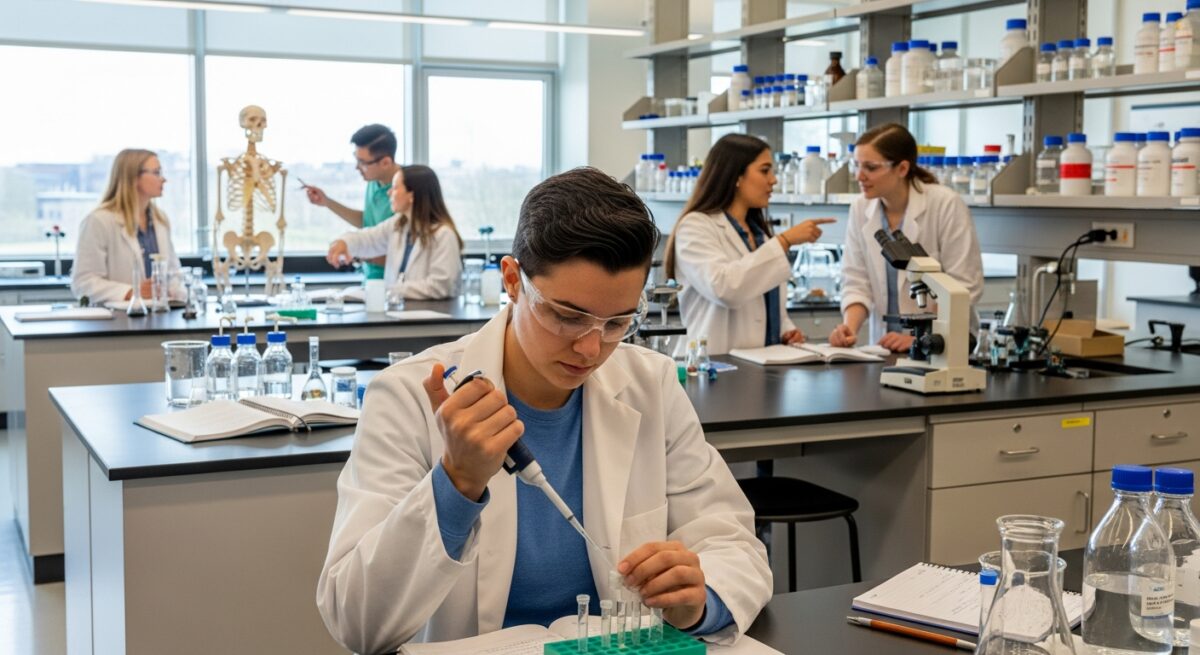
A truly exceptional pre-med program is characterized by more than just high average MCAT scores or medical school acceptance rates. It is an integrated academic and experiential environment designed to build competent, confident, and compassionate future physicians. The core of any preparation lies in fulfilling the standard medical school prerequisites: a full year of biology, general chemistry, organic chemistry, physics, and associated labs, often accompanied by requirements in biochemistry, mathematics, and English. However, the best pre med colleges distinguish themselves in how they deliver this core curriculum and what they offer beyond it.
Quality of teaching is paramount. Look for programs where pre-medical courses are taught by dedicated, accessible professors, not exclusively by graduate teaching assistants. Small class sizes for key science courses can facilitate better understanding and allow for meaningful faculty interaction. Furthermore, strong programs have a structured pre-health advising office. A dedicated advising team provides guidance on course selection, timeline planning, MCAT preparation, the application process itself, and crafting a compelling narrative. They often coordinate committee letters, a composite evaluation that carries significant weight in applications. The presence of a supportive, knowledgeable advising structure is a non-negotiable feature of the best pre med programs for medical school preparation.
Key Components Beyond the Classroom
Academic excellence is the baseline. What elevates a program are the opportunities for applied learning and professional development. Medical schools seek well-rounded applicants with demonstrated clinical experience, research acumen, and a commitment to service.
First, clinical exposure is essential. The best programs have established pipelines to local hospitals, clinics, and private practices for shadowing, volunteering, and paid positions like medical scribing. Some universities are affiliated with academic medical centers, providing students with direct access to cutting-edge healthcare environments and the chance to observe a wide range of specialties. This real-world experience confirms a student’s interest in medicine and provides crucial stories for personal statements and interviews.
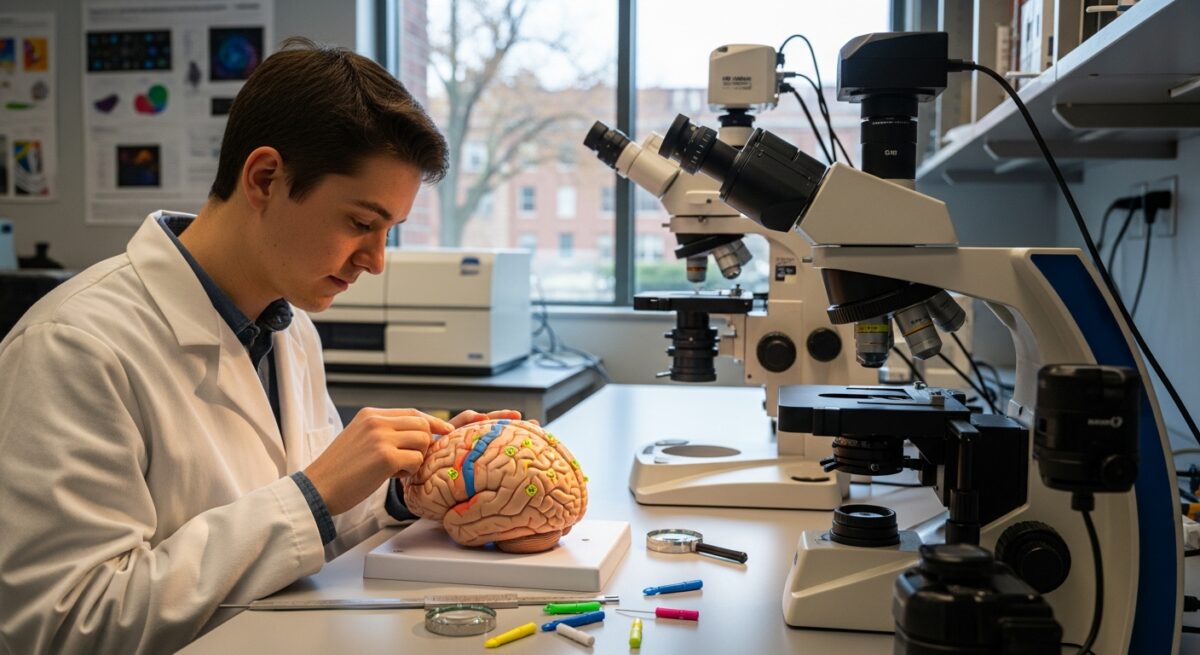
Second, robust undergraduate research opportunities are a major differentiator. Engaging in hypothesis-driven research, whether in a biology, chemistry, psychology, or public health lab, develops critical thinking and analytical skills. It allows students to contribute to the scientific community and potentially earn authorship on publications or presentations. Strong mentorship from research faculty can also lead to powerful recommendation letters.
Finally, a culture of service and student community matters. Programs that encourage or facilitate community service, especially in health-adjacent fields, help students develop empathy and cultural competency. Furthermore, active pre-medical societies or clubs offer peer support, networking, guest lectures from physicians, and MCAT study groups, creating a collaborative rather than purely competitive atmosphere.
Evaluating Different Types of Pre Med Pathways
Prospective students should consider the institutional context that best suits them. Large research universities often boast extensive resources, renowned faculty, and vast research labs. They may offer a wider variety of relevant majors, from neuroscience to biomedical engineering, and have the scale to support dedicated pre-health tracks within those majors. However, navigating these large systems requires initiative, and introductory science courses can be quite large.
Liberal arts colleges, conversely, typically emphasize small class sizes, close faculty-student relationships, and a broad, interdisciplinary education. A student might major in a non-science field like anthropology or philosophy while completing pre-med requirements, crafting a unique application narrative. The advising at liberal arts colleges is often highly personalized. The potential trade-off can be fewer on-site research labs or direct hospital affiliations, though many forge strong partnerships with nearby institutions.
Some universities offer formal, structured “pre-med” programs or guaranteed admission pathways (often called BS/MD or BA/MD programs). These are highly competitive and typically bind students to a specific medical school upon successful completion of undergraduate benchmarks. They provide certainty but less flexibility. For most students, the traditional path of excelling in a chosen major while completing prerequisites at a supportive undergraduate institution remains the most common and effective route. For a deeper dive into evaluating institutional fit and strategy, our resource on top pre med colleges explores these nuances in detail.
Building a Competitive Profile in Any Program
Regardless of the institution’s name or ranking, your success hinges on how you leverage the opportunities available. A strategic approach is vital. Begin building relationships with professors and advisors early, not just before you need recommendation letters. Seek out research or clinical opportunities by the end of your sophomore year to allow for meaningful, long-term involvement. Consistency in extracurricular activities, particularly service, is viewed more favorably than a long list of short-term commitments.
Your choice of major is also a strategic decision. While biological sciences are popular, medical schools accept applicants from all majors. Key considerations include your genuine interest in the subject (which will help you maintain a high GPA) and its ability to help you develop a distinct perspective. A major in ethics, Spanish, or engineering can make your application stand out, provided you also excel in the science prerequisites. The GPA, both overall and in science courses, remains one of the most critical metrics. A strong program will provide the academic support, such as tutoring centers and supplemental instruction, to help you achieve it.
Financial planning is an often-overlooked aspect of pre-med preparation. The costs of undergraduate education, MCAT preparation courses, and the medical school application process itself are substantial. Proactively seeking scholarships, work-study programs in relevant departments, and research grants is crucial. Exploring external academic degree resources for scholarship databases and financial aid guidance can significantly reduce the burden and allow you to focus on your academic and professional development.
Frequently Asked Questions
Is it better to go to an Ivy League school for pre-med?
While Ivy League and other elite universities offer tremendous resources and name recognition, they are not the only path to medical school. What matters more is your performance within your program. A very high GPA, strong MCAT score, and substantive experiences from a state university or liberal arts college can be more compelling than a mediocre record from a top-tier school. Choose an environment where you can thrive academically and personally.
What is the best major for pre-med?
There is no single best major. Medical schools value diversity of thought. The “best” major is one you are passionate about and in which you can excel academically. Common choices include Biology, Chemistry, Biochemistry, and Neuroscience, but successful applicants also come from fields like Psychology, Public Health, Engineering, and even Humanities. Ensure your major allows you to complete all prerequisite courses efficiently.
How important is the pre-health advising office?
Extremely important. A strong advising office demystifies the complex medical school application process, provides timeline guidance, helps with school selection, prepares you for interviews, and often writes the crucial committee letter. When researching the best pre med programs, inquire about the student-to-advisor ratio and the services offered by the pre-health office.
Can I get into medical school without research?
Yes, research is not an absolute requirement for all medical schools, though it is highly valued, especially at research-intensive institutions. Clinical experience and patient contact are generally considered more essential. However, research demonstrates scientific curiosity and rigor. If formal lab research isn’t available, consider clinical research, public health projects, or data analysis in a social science field.
When should I take the MCAT?
The ideal time is typically in the spring of your junior year, after you have completed the relevant coursework (biology, chemistry, physics, biochemistry, and psychology/sociology). This allows you to apply in the early summer of that same year for admission the following fall. Some students take it in the summer after junior year, but this can delay application submission.
Selecting the right undergraduate program is a deeply personal decision with long-term implications. The best pre med programs for medical school preparation are those that align with your learning style, provide a robust framework of academic and advisory support, and offer ample opportunities to explore the medical field firsthand. By focusing on these foundational elements, rather than prestige alone, you can build an unbeatable foundation for your future career in medicine.