Selecting the right college for a medical education is one of the most consequential decisions a future healthcare professional will make. It is a choice that shapes not only the quality of your training and the depth of your knowledge but also your clinical skills, professional network, and career trajectory for decades to come. With hundreds of institutions offering medical programs, from traditional MD and DO degrees to specialized biomedical sciences, the landscape can feel overwhelming. This guide is designed to cut through the noise, helping you understand the critical factors that distinguish the best colleges for medicine and medical programs, and how to identify the one that aligns perfectly with your academic strengths, clinical interests, and professional aspirations. The journey to becoming a doctor or medical researcher is demanding, and it begins with a strategic, informed choice about where to build your foundation.
Defining Excellence in Medical Education
What truly makes a medical college or program “the best”? The answer is multifaceted and highly personal, as the ideal school for one student may not be the right fit for another. However, several universal markers of quality provide a reliable framework for evaluation. At its core, a top-tier medical program delivers a rigorous, integrated curriculum that seamlessly blends foundational scientific knowledge with early and sustained clinical experience. It fosters an environment of innovation and inquiry, supported by cutting-edge research facilities and faculty who are leaders in their fields. Perhaps most importantly, it demonstrates a consistent record of producing competent, compassionate, and successful physicians and scientists, as evidenced by residency match rates, board exam pass rates, and alumni achievements.
Beyond these outcomes, the culture and mission of an institution are paramount. Some of the best colleges for medicine prioritize primary care and community health, embedding students in underserved populations from day one. Others are powerhouses of biomedical research, offering unparalleled opportunities for student involvement in groundbreaking discoveries. The location itself is a critical component of the educational experience, determining the diversity of patient populations you will encounter and the types of clinical environments, from large urban hospitals to regional clinics, where you will train. Therefore, a comprehensive assessment must look beyond simple rankings to consider how a program’s specific strengths and values resonate with your own goals.
Key Factors for Evaluating Medical Programs
To effectively compare medical colleges, prospective students should develop a personalized checklist based on the following essential criteria. This structured approach moves beyond prestige to focus on tangible elements that directly impact your education and future.
Curriculum and Pedagogical Approach
The structure of the medical curriculum is evolving. While all accredited programs must cover the essential scientific and clinical competencies, the delivery methods vary significantly. Traditional programs may follow a two-year pre-clinical science block followed by two years of clinical rotations. In contrast, many leading institutions now employ integrated, systems-based curricula where clinical exposure begins in the first year. Problem-based learning (PBL) and team-based learning (TBL) are common in progressive programs, emphasizing collaboration and clinical reasoning over passive lecture memorization. Furthermore, the availability of dual-degree options (like MD/PhD, MD/MPH, MD/MBA) can be a major differentiator for students with specific interdisciplinary interests.
Research Opportunities and Resources
For students inclined toward a career in academic medicine or biomedical research, the scope and accessibility of research programs are non-negotiable. The best medical colleges for research-intensive paths are often characterized by substantial National Institutes of (NIH) funding, which directly correlates with the volume and quality of research projects. Key questions to ask include: Is student research a required component or a strongly supported elective? Are there dedicated summer research fellowships with stipends? How easily can students find faculty mentors? The presence of affiliated research institutes, robust laboratories, and a culture that celebrates student-led inquiry are strong indicators of a program’s commitment to developing physician-scientists.
Clinical Training and Hospital Affiliations
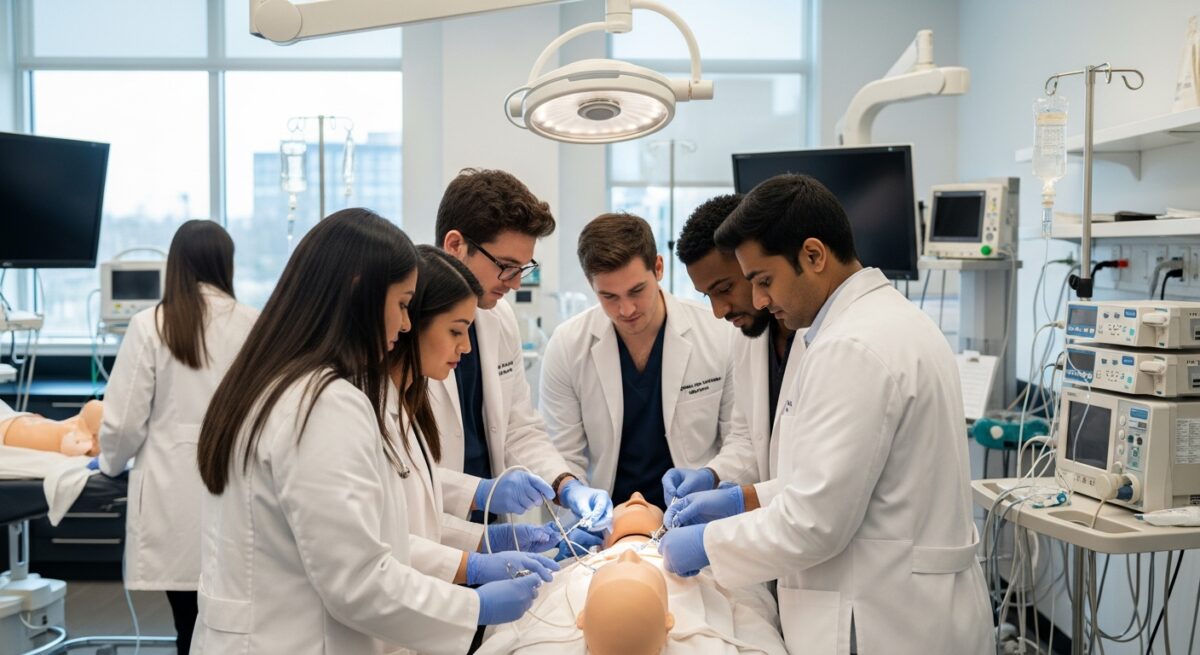
The quality of clinical training is the cornerstone of medical education. It is determined by the program’s affiliated teaching hospitals and clinical sites. A strong medical school will have affiliations with a mix of hospital types: a flagship university hospital for complex, tertiary care; a Veterans Affairs (VA) hospital for a distinct patient population; and community hospitals or clinics for broader primary care experience. The geographic concentration of these sites matters, as commuting long distances for rotations can be draining. You should investigate the patient volume, variety of pathologies, and the level of responsibility granted to medical students during their clerkships. This hands-on experience is where textbook knowledge transforms into clinical skill.
When planning for the financial investment of a medical degree, it is wise to consult comprehensive academic degree resources that compare tuition, living costs, and scholarship availability across institutions.
A Focus on Mission and Student Support
An institution’s stated mission is not merely marketing, it is a blueprint for its priorities and culture. A school with a mission focused on serving rural communities will tailor its curriculum and rotation sites accordingly. One dedicated to healthcare leadership will integrate business and policy coursework. Aligning your personal values with the school’s mission leads to a more fulfilling and supportive educational journey. Equally critical is the ecosystem of student support. The medical school experience is notoriously challenging, and the presence of robust support systems can make a profound difference. This includes academic advising, mental health and wellness services, career counseling, and financial aid guidance. A low student-to-faculty ratio often suggests more personalized attention and mentorship opportunities.
Diversity, equity, and inclusion (DEI) initiatives are also a vital component of a modern medical education. Training in a diverse environment better prepares physicians to care for an increasingly diverse population. Look for schools with active DEI offices, support groups for underrepresented students in medicine, and curricula that address healthcare disparities and cultural competency. These elements contribute to a more holistic and effective educational experience, preparing you not just as a clinician, but as a compassionate caregiver in a complex world. For students interested in the technical and engineering applications within healthcare, understanding related fields can be beneficial. Our analysis of top electrical engineering programs highlights how interdisciplinary innovation often bridges medicine and technology.
Navigating the Admissions Landscape
Gaining admission to top medical colleges is a competitive process that requires strategic preparation. While strong undergraduate grades (particularly in science courses) and a high Medical College Admission Test (MCAT) score are fundamental gateways, admissions committees at the best programs look for much more. They seek candidates with demonstrated competencies in areas like interpersonal communication, ethical judgment, resilience, and a genuine commitment to service. Your application narrative, through the personal statement and activities descriptions, must weave together your academic achievements, clinical exposures (such as shadowing or medical scribing), research experiences, and community service into a coherent story that explains your motivation for medicine.
The interview process is another crucial differentiator. Some schools use traditional one-on-one interviews, while others employ Multiple Mini-Interviews (MMIs) designed to assess ethical reasoning and communication skills through a series of short stations. Preparing for the specific format used by your target schools is essential. Ultimately, the goal is to present yourself as a well-rounded, reflective, and passionate candidate whose experiences and aspirations align perfectly with what that specific medical program offers. A scattergun approach applying to dozens of schools is often less effective than a targeted strategy focusing on programs where your profile is a strong fit.
Frequently Asked Questions
Is there a big difference between an MD and a DO degree for medical practice?
Both MD (Doctor of Medicine) and DO (Doctor of Osteopathic Medicine) are fully licensed physicians who can practice in all medical specialties. The core curricula are very similar, but DO programs include additional training in osteopathic manipulative treatment (OMT) and often emphasize a holistic, whole-person approach to care. Residency programs have merged into a single accreditation system, and both degrees have equal standing in the medical community.
How important are medical school rankings, and which ones should I pay attention to?
Rankings from U.S. News & World Report and others can provide a general sense of an institution’s reputation and resources, particularly in research. However, they should not be the sole deciding factor. Rankings often heavily weight research funding and faculty accolades, which may not correlate directly with the quality of the student educational experience. It is more valuable to use rankings as a starting point for research, then dive deep into the specific factors (curriculum, clinical training, mission, fit) discussed in this article.
Can I get a quality medical education at a less expensive public university?
Absolutely. Many public state universities host exceptional medical colleges that offer world-class education, often at a significantly lower tuition cost for in-state residents. These schools frequently have deep ties to their state’s healthcare systems and provide excellent clinical training. The key is to evaluate each program on its own merits against the criteria that matter to you, rather than assuming price or prestige equates to quality.
What should I look for during a medical school campus visit?
Beyond the facilities, pay close attention to the students. Do they seem happy, supported, and engaged with each other? Talk to them about the workload, the accessibility of faculty, and the support systems. Observe the dynamics between students and faculty. Assess the learning spaces and the surrounding community. The “feel” of a campus can tell you a lot about whether you would thrive there for four intense years.
How early should I start preparing for medical school applications?
Preparation should begin early in your undergraduate career, focusing on maintaining a strong GPA, gaining relevant clinical and volunteer experiences, and building relationships for future letters of recommendation. Most students take the MCAT in the spring of their junior year if planning to apply that summer. The application process itself, through the American Medical College Application Service (AMCAS), opens in May, with submissions beginning in late May/early June.
Choosing among the best colleges for medicine and medical programs is a deeply personal decision that requires introspection, thorough research, and a clear understanding of your own professional vision. By focusing on the alignment between a program’s strengths in curriculum, clinical training, research, and culture with your individual goals and values, you can identify the institution that will not only educate you but also inspire and empower you to become the physician or medical leader you aspire to be. The path is challenging, but starting with the right foundation makes all the difference.