Choosing a college is one of the most significant decisions a student will make, and the physical scale of the campus often becomes a central point of consideration. The debate between a sprawling university and a compact college is more than just an aesthetic preference, it strikes at the heart of how you will learn, connect, and grow for several years. Prospective students and their families frequently weigh the pros and cons of campus size vs learning experience, wondering if a larger institution offers more opportunity or if a smaller one provides a better education. The truth is, there is no universal answer. The ideal environment depends entirely on the individual’s academic goals, learning style, and personal needs. This comprehensive guide will dissect the multifaceted relationship between campus size and the quality of education, moving beyond stereotypes to help you identify which setting will truly empower your success.
Defining Campus Size and Its Direct Impact
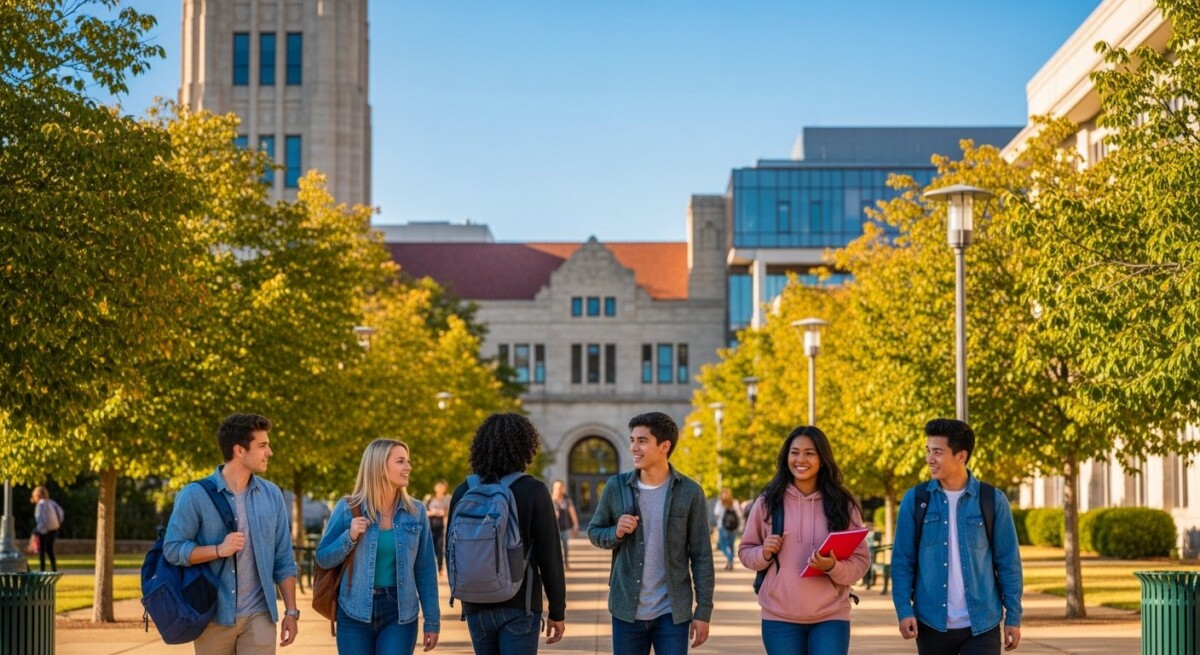
Before analyzing the effects, it’s crucial to define what we mean by campus size. This metric isn’t just about acreage, it encompasses total student enrollment, student-to-faculty ratios, class sizes, and the physical footprint of the institution. A large campus typically refers to a major university with tens of thousands of students, extensive research facilities, and a vast array of academic programs. A small campus is often a liberal arts college or specialized institute with a few thousand students or fewer, characterized by close-knit communities and highly interactive classrooms. The campus size vs learning experience dynamic is shaped by how these structural elements influence daily life. A large campus might mean introductory lectures with hundreds of peers, while a small one almost guarantees seminar-style discussions from day one. The infrastructure, from library resources to laboratory access, is also scaled accordingly, directly affecting the tools at your disposal.
The Advantages of a Large University Campus
Large campuses are often synonymous with abundance and opportunity. They function like small cities, offering a breadth of resources that can be incredibly stimulating for the right student. The primary advantage is sheer variety. Students have access to an extensive catalog of majors, minors, and specialized concentrations, allowing for interdisciplinary exploration and highly niche academic paths. If you are uncertain about your major or wish to combine disparate fields, a large university provides the flexibility to pivot without transferring institutions.
Research opportunities at large universities are frequently unparalleled. With substantial funding, well-endowed laboratories, and renowned faculty leading cutting-edge projects, undergraduate students can sometimes contribute to significant scholarly work. This exposure is invaluable for those aiming for graduate school or research-intensive careers. Furthermore, the network effect is powerful. Alumni networks are vast and geographically dispersed, which can translate into robust career placement services and connections across countless industries. The social and extracurricular landscape is equally diverse, with hundreds of student clubs, Division I athletics, and cultural events constantly occurring.
However, these advantages come with caveats. The onus is on the student to navigate this abundance. To thrive, you must be proactive, self-directed, and willing to seek out opportunities that are not automatically handed to you. The initial experience can feel impersonal, requiring effort to build relationships with professors and find your community within the multitude.
The Strengths of a Small College Environment
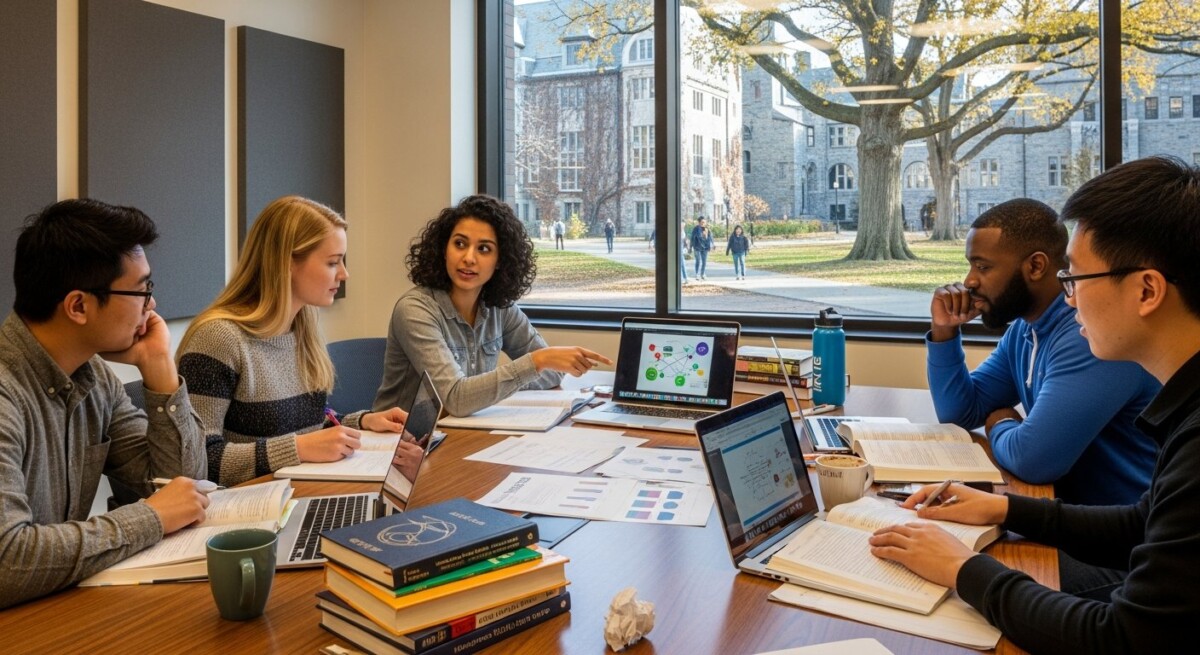
In contrast, small campuses build their educational model on intimacy and direct engagement. The most frequently cited benefit is the personalized attention from faculty. With low student-to-faculty ratios and small class sizes, professors know their students by name, understand their strengths and weaknesses, and can provide tailored mentorship. This environment fosters deep classroom discussions, frequent writing assignments with detailed feedback, and opportunities for collaborative research even at the undergraduate level. The learning experience is often highly participatory rather than passive.
The community aspect is another defining strength. It is easier to form close friendships, join leadership positions in clubs, and feel a sense of belonging. This supportive network can significantly enhance student well-being and retention. The campus layout itself often contributes to this, with shorter walks between classes and a centralized social life that encourages interaction. Administrative processes can also feel more navigable, with less bureaucracy when seeking advice from advisors or accessing support services.
The trade-offs involve scope and sometimes, resources. The range of academic majors is naturally narrower. While the depth of instruction in offered fields can be exceptional, students with highly specialized interests might not find an exact program fit. The social scene, while tight-knit, may offer less anonymity and a smaller pool of potential friends with shared niche interests. Facilities, while often excellent, may not match the scale and funding of a massive state university’s infrastructure.
Key Factors to Evaluate in Your Decision
Your decision in the campus size vs learning experience equation should be guided by a honest self-assessment. Start by identifying your learning style. Do you excel in a dynamic, lecture-hall setting where you can absorb information independently, or do you need the Socratic method of a seminar to stay engaged and comprehend complex material? Your academic discipline matters, too. A future engineer might prioritize state-of-the-art labs, while a philosophy student might prioritize access to professors for dialogue.
Consider your personality and social needs. Are you an independent self-starter who enjoys blending into a crowd and carving your own path, or do you thrive in a community where you are recognized and known? Reflect on your goals. If your aim is a PhD and a research career, the opportunities at a large, research-intensive university might be critical. If you seek a well-rounded liberal arts foundation with strong mentorship for law or business school, a small college could be ideal.
To systematically evaluate your options, consider these practical steps:
- Create a pros and cons list for each school you are considering, specifically noting how size impacts academic offerings, support, and campus life.
- Visit campuses if possible. Sit in on a class, eat in the dining hall, and gauge the atmosphere. Does it feel energizing or overwhelming? Comfortable or isolating?
- Talk to current students. Ask them about access to professors, the ease of getting into required courses, and the reality of community life.
- Research beyond the brochure. Look at four-year graduation rates, average class sizes for upper-division courses in your intended major, and career outcomes for graduates.
Remember that the digital age has blurred some traditional boundaries. Many large universities have established honors colleges or small learning communities within them, offering a “small college” experience with the resources of a large institution. Conversely, small colleges often have consortium agreements with neighboring schools to share resources and expand course options. Exploring these hybrid models can provide a best-of-both-worlds solution.
Beyond the Binary: Online and Hybrid Learning
The conversation about campus size vs learning experience must now account for the transformative role of online and hybrid education. For many adult learners, career-changers, or those seeking specific credentials, the physical campus is becoming less relevant. Accredited online degree programs decouple the learning experience from geography and campus scale entirely, prioritizing flexibility, asynchronous learning, and digital collaboration. This model is particularly powerful for structured, motivated individuals who need to balance education with work or family commitments. The quality of an online learning experience hinges on different factors, such as instructional design, faculty engagement in the digital space, and the robustness of the student support system. For insights on evaluating these programs, our guide on what makes a good online learning experience effective explores the key components of success in the virtual classroom.
Hybrid programs further complicate the size debate. A student might attend a local community college for small, in-person classes while completing upper-division requirements through a large university’s online platform. This approach allows for strategic degree planning for students seeking affordability and customization. The focus shifts from the size of a single campus to the quality and integration of multiple learning modalities. When considering these options, accreditation is non-negotiable, and prospective students should diligently investigate interaction levels, technical support, and career services tailored to remote learners.
Frequently Asked Questions
Do employers care about the size of the college I attended?
Generally, employers prioritize the reputation of the specific program, your skills, internships, and experience over raw campus size. A strong portfolio and relevant experience from any institution are more impactful than the name of a large school alone. However, certain elite corporate recruitment pipelines are historically tied to specific large universities, while other fields highly value the strong communication and critical thinking skills often associated with small liberal arts colleges.
Can I get a personalized experience at a large university?
Yes, but it requires initiative. Seek out honors programs, apply to be a teaching or research assistant, attend professor office hours consistently, and join smaller clubs or academic departments. Building these intentional connections can create a curated, personalized network within the larger ecosystem.
Are small colleges more expensive than large universities?
Not necessarily. While private small colleges often have high sticker prices, they also frequently offer substantial merit scholarships and need-based aid. Large public universities have lower in-state tuition but may offer less generous aid packages. The net price after aid is the critical figure to compare, regardless of size.
Is social life really better on one size campus versus another?
“Better” is subjective. Large campuses offer constant activity and diversity of social scenes (Greek life, massive sporting events, large clubs). Small campuses offer deeper integration and easier access to community, where you see familiar faces daily. Your social success depends more on your effort to engage than on the size itself.
How does campus size affect mental health and support services?
Both settings have challenges and supports. Large universities may have more comprehensive counseling centers with specialized staff but longer wait times. Small colleges may offer quicker access and more personal follow-up but fewer specialists. The key is to research the specific health and wellness resources at each school you consider.
Ultimately, the decision in the campus size vs learning experience debate is deeply personal. It is a choice between different philosophies of education and community. A large campus offers a universe of possibilities for the self-driven explorer, while a small campus offers a curated, intensive journey with guided support. The best way to decide is to move beyond generalizations and investigate how the specific culture, resources, and structure of each institution align with your unique academic ambitions and personal identity. Your ideal learning environment is the one where you feel both challenged to grow and supported to succeed.