The landscape of higher education has fundamentally shifted, offering prospective students a critical choice that extends far beyond a major: where and how to earn their degree. The traditional campus experience, with its ivy-covered halls and bustling quads, now stands alongside a dynamic digital counterpart, where learning happens from anywhere with an internet connection. This isn’t simply a choice of location; it’s a decision about lifestyle, learning style, finances, and career trajectory. Understanding the nuanced advantages and trade-offs of each model is essential for aligning your educational investment with your personal and professional goals.
Defining the Educational Experiences
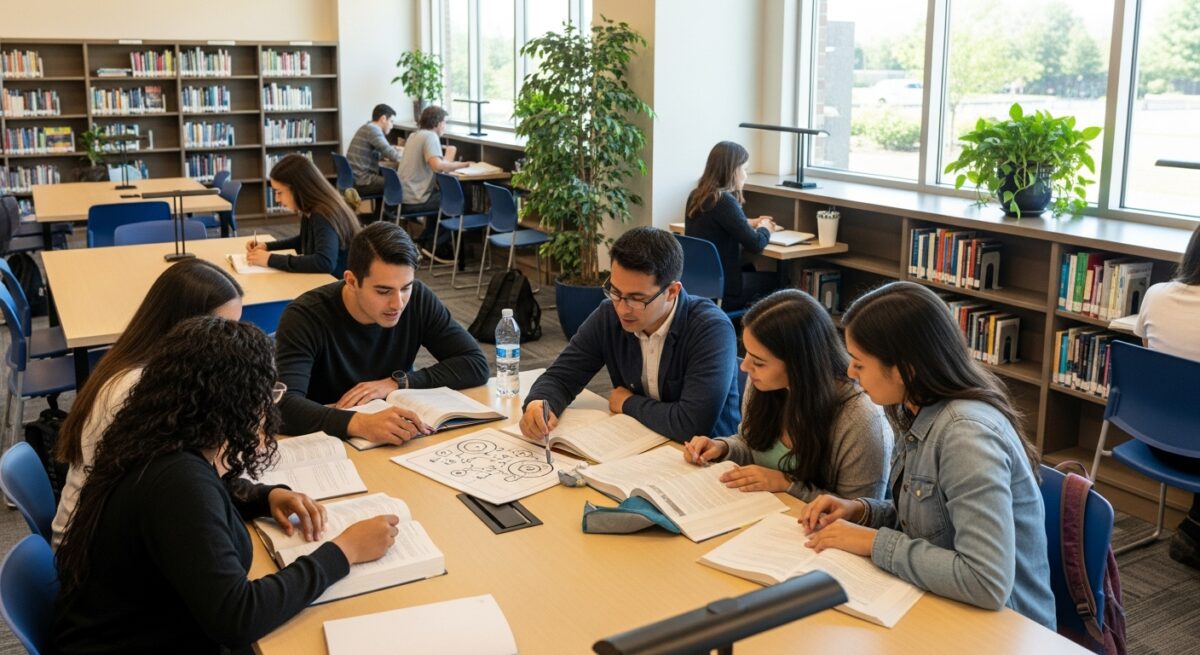
At its core, a campus degree program is a place-based, immersive experience. Education is delivered synchronously, with students and instructors meeting in physical classrooms, labs, and lecture halls on a set schedule. The learning environment extends beyond academics to include dormitory life, campus events, face-to-face faculty office hours, and spontaneous peer interactions in common areas. This model is built on a structured temporal and spatial framework, requiring physical presence at specific times and locations.
In contrast, an online degree program is a modality-based, flexible experience. While some programs include synchronous virtual sessions, the hallmark of online education is asynchronous delivery. Course materials, lectures, assignments, and discussions are accessed through a Learning Management System (LMS) like Canvas or Blackboard, allowing students to engage with the content on their own schedule, within set weekly deadlines. The “campus” is virtual, and interaction happens via forums, video calls, and collaborative software. This model prioritizes accessibility and self-directed learning, decoupling education from a specific geographic point.
The Tangible Benefits of Campus Learning
Choosing a traditional campus education offers a suite of benefits rooted in immersion and interpersonal connection. The most cited advantage is the rich social and professional networking environment. From study groups and club meetings to career fairs and casual conversations, the campus is a built-in ecosystem for building relationships that can last a lifetime and propel a career forward. The immediacy of face-to-face interaction with professors can lead to deeper mentorship opportunities, research assistant positions, and stronger letters of recommendation.
The physical resources of a university campus also represent a significant value proposition. Students have direct, often unparalleled, access to specialized laboratories, performance studios, extensive physical libraries, athletic facilities, and student support services like tutoring centers and health clinics. This environment is designed to support holistic development, fostering independence and life skills through managing one’s own schedule, living arrangements, and social dynamics outside a family home. The structured routine of a class schedule can provide a helpful framework for students who thrive on external accountability and clear separation between academic and personal life.
The Compelling Advantages of Online Education
The rise of accredited online college degree programs has been driven by their ability to solve specific logistical challenges for modern learners. The paramount benefit is flexibility. Online programs allow students to balance education with full-time employment, family responsibilities, military service, or geographic constraints. There is no need to relocate or commute, which can result in substantial savings on housing, transportation, and often, tuition itself.
This format also cultivates a distinct set of highly valuable digital-age skills. Online learners become proficient in digital communication, self-motivation, time management, and the use of collaborative remote-work tools. The asynchronous discussion boards often demand more thoughtful, written participation than a spontaneous classroom comment, potentially deepening engagement with the material. Furthermore, online programs can offer access to a geographically diverse peer network, exposing students to perspectives and professional fields from across the country or even the globe, which is particularly beneficial for fields like business or healthcare administration.
To make an informed decision, you need a clear framework for comparison. Consider these core dimensions side-by-side:
- Flexibility & Structure: Online offers maximum scheduling autonomy; campus provides a fixed, external routine.
- Learning Environment: Campus is immersive and sensory; online is convenient and self-curated.
- Interaction Style: Campus features immediate, in-person dialogue; online relies on scheduled digital communication, often in writing.
- Cost Considerations: Campus typically includes tuition, housing, meal plans, and fees; online often has lower tuition and no room/board, but technology requirements.
- Skill Development: Campus emphasizes interpersonal and campus-life skills; online inherently builds digital literacy, self-discipline, and remote collaboration.
Matching the Modality to Your Profile
Your personal circumstances and learning preferences should guide this decision more than generalizations. A campus experience is often an ideal fit for recent high school graduates seeking a classic “college life,” students in fields requiring extensive hands-on practice (e.g., wet lab sciences, performing arts, clinical health professions), and those who learn best through dynamic, in-person dialogue and real-time feedback. It suits individuals who can dedicate themselves to full-time study and relocate if necessary.
Conversely, an online degree program is typically the superior path for working professionals seeking career advancement, adult learners with family or financial obligations, individuals living in rural or underserved areas, disciplined self-starters who manage their time effectively, and those who prefer to process information and contribute to discussions at their own pace. Many seeking an advanced graduate degree for career growth find online programs uniquely align with their need to study while maintaining their current professional role.
Debunking Common Myths and Checking Credentials
A persistent myth is that online degrees are less rigorous or respected than campus degrees. The reality is that quality and reputation are determined by institutional accreditation, not delivery method. Employers primarily care whether your degree is from a regionally accredited institution. Many top-tier universities now offer identical curricula and degrees through both online and campus modalities, taught by the same faculty. The key is due diligence: always verify a program’s accreditation status before enrolling.
Another misconception is that online learning is isolating. While it requires more proactive effort to connect, high-quality programs design for engagement through group projects, video conferences, and active discussion forums. The challenge of self-motivation is real, however. Success in an online environment demands a high degree of personal organization, initiative, and comfort with technology. Before enrolling, honestly assess your ability to create and stick to a consistent study schedule without the external prompts of a physical classroom. For comprehensive support in navigating these choices, seeking trusted college degree guidance is a prudent step.
The Emerging Hybrid and Future Models
The binary choice is increasingly blurring with the proliferation of hybrid or blended programs. These models offer a “best of both worlds” approach, combining the flexibility of online coursework with essential, periodic campus residencies for intensive labs, workshops, or networking. This is especially common in graduate business (MBA), nursing, and certain master’s programs. Furthermore, technological advancements in Virtual Reality (VR) and sophisticated simulation software are beginning to bridge the hands-on gap for some online STEM and technical fields, offering immersive practice from a distance.
As digital learning methods evolve, the decision between campus and online will become less about perceived legitimacy and more about strategic fit. The optimal choice is the one that aligns with your learning psychology, your current life responsibilities, your financial reality, and your long-term career vision. It is a deeply personal calculation where the right answer is unique to each student’s equation.
Ultimately, the power is in the alignment. By thoroughly evaluating your lifestyle, learning style, goals, and resources against the distinct structures of campus and online programs, you can move beyond the debate and select the educational pathway that doesn’t just confer a credential, but effectively integrates into and enhances the life you are building. The most successful degree is the one you can complete with purpose and apply with confidence, regardless of the classroom’s walls.