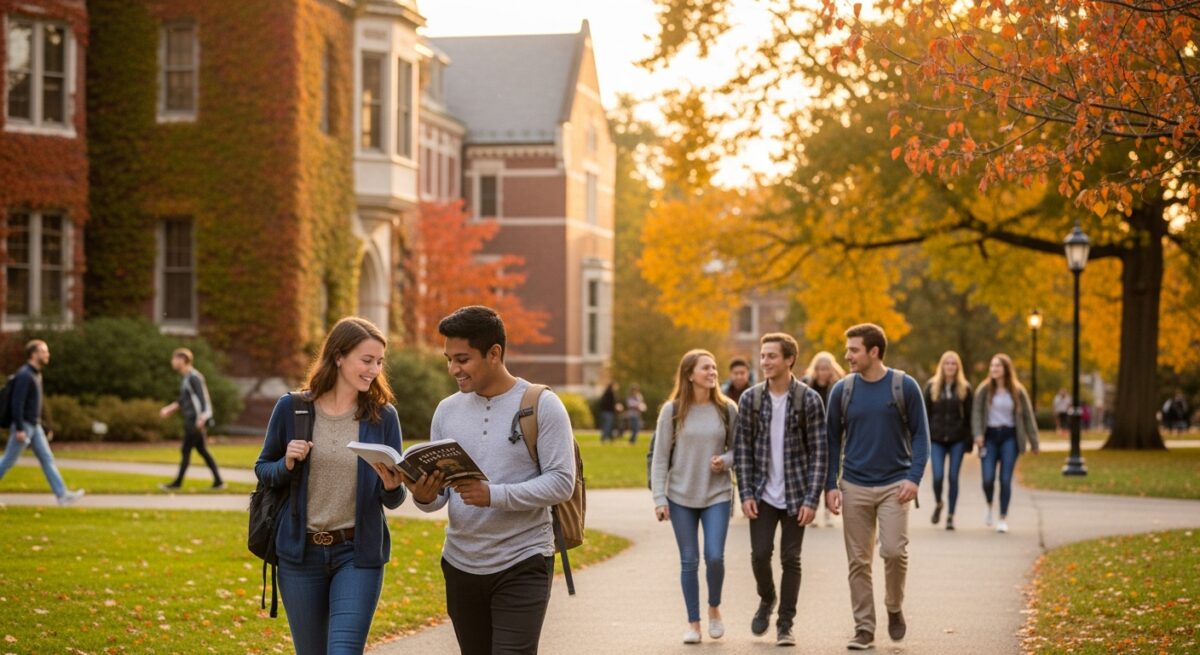
For generations, the image of a university education has been synonymous with a physical campus: sprawling quads, bustling lecture halls, late-night study sessions in the library, and dorm life. While online education has surged in popularity and accessibility, campus-based degree programs remain a powerful and transformative educational model for millions of students. This immersive, face-to-face approach to higher education offers a distinct set of advantages, challenges, and experiences that shape not just academic knowledge, but personal and professional development in profound ways. Understanding the structure, benefits, and considerations of traditional on-campus programs is the first critical step in determining if this path aligns with your learning style, career goals, and life stage.
The Core Structure of a Campus-Based Degree Program
At its heart, a campus-based program requires a student’s physical presence at a college or university to attend classes, access resources, and participate in campus life. This structure creates a framework of routine and immersion that is fundamentally different from remote learning. Students typically follow a semester or quarter schedule, registering for a set of courses that meet at specific times in specific classrooms. This synchronous learning environment means lectures, discussions, labs, and studio work happen in real-time, fostering immediate interaction between students and professors. The academic calendar dictates the rhythm of the term, with defined periods for instruction, exams, and breaks, creating a shared experience for the entire student body.
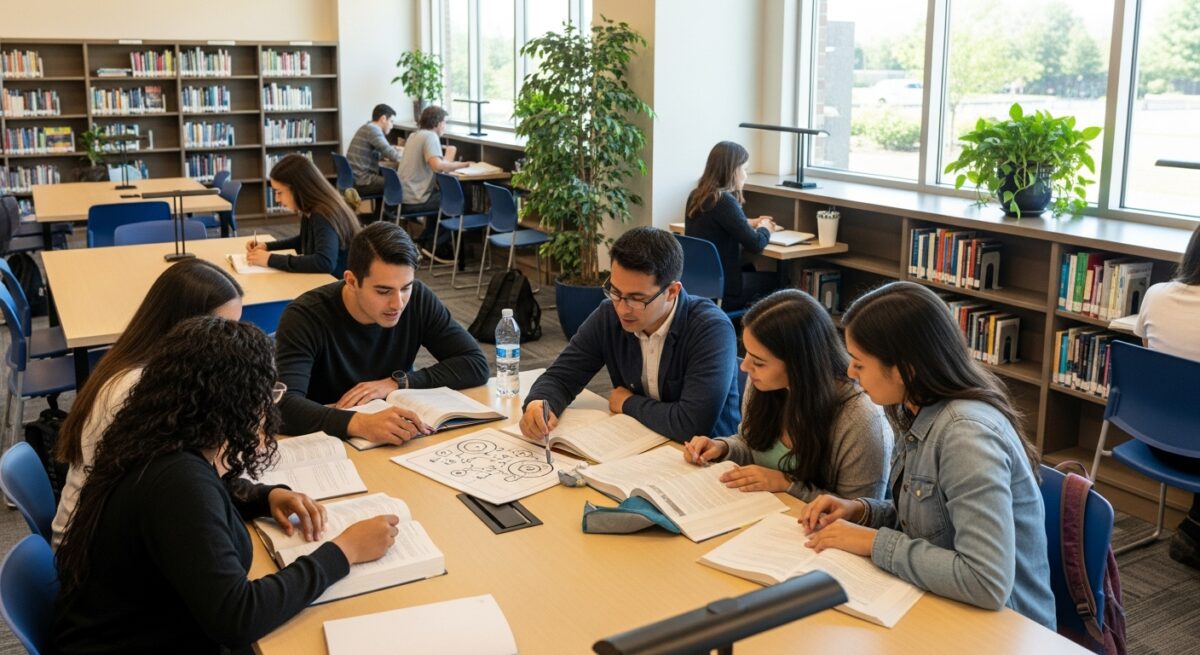
Beyond the classroom schedule, campus life integrates academic work with residential and social components for many students. Living in dorms, eating in dining halls, and utilizing on-campus facilities like libraries, gyms, and student unions turns education into a 24/7 lived experience. This holistic model is designed to support the whole student, providing not just instruction but also a community, support services like academic advising and counseling, and countless opportunities for serendipitous learning and networking. The physical campus acts as a dedicated ecosystem for growth, where the boundaries between learning, living, and socializing are intentionally blurred to accelerate personal development.
Key Advantages of Choosing an On-Campus Education
The decision to pursue a degree on campus is often driven by the unique benefits this model provides, many of which are difficult to replicate fully in a digital environment. The most frequently cited advantage is the richness of interpersonal interaction and networking. The relationships forged with professors, classmates, and campus professionals can become the foundation of a lifelong professional network. Impromptu conversations after class, collaborative study groups, and mentorship from faculty who know you by name offer invaluable guidance and opportunities.
Furthermore, campus programs provide unparalleled access to specialized, high-cost facilities and resources. Whether it’s a cutting-edge biotechnology lab, a performance theater, an engineering workshop, or an archival research library, these tangible assets are integral to hands-on learning in many disciplines. The immediate availability of these resources supports deeper, experimental learning that is critical for fields requiring practical application. For students seeking a more comprehensive guide to advanced academic pathways, understanding how campus resources support doctoral research is essential.
Finally, the structured environment and immersion combat isolation and can significantly enhance accountability and motivation for many learners. The routine of attending class, the social expectation of participation, and the direct oversight of instructors create external structure that helps students stay on track. This environment also fosters the development of essential “soft skills” like communication, teamwork, and time management through constant, real-world practice within a supportive community.
Potential Challenges and Considerations
While the advantages are significant, campus-based programs are not the ideal fit for every student, and it is crucial to weigh the potential drawbacks. The most apparent challenge is cost and logistical commitment. Tuition for on-campus programs is often higher than for online equivalents at the same institution, and when combined with room and board, meal plans, transportation, and relocation expenses, the total financial outlay can be substantial. This requires careful financial planning, including exploring scholarships, grants, and work-study options.
The fixed schedule of campus classes also demands a high degree of flexibility from the student’s life, not the institution. This can be a significant barrier for working professionals, caregivers, or those with other major time commitments. Unlike the asynchronous nature of many online courses, on-campus learning requires you to be in a specific place at a specific time, which can limit the ability to maintain full-time employment or manage family responsibilities concurrently. The geographic limitation is another key factor; you must either relocate to the campus’s city or be within a commutable distance, which may not be feasible for all.
It’s also important to recognize that the campus experience, while rich, follows a largely standardized pace. The cohort model means you progress through the curriculum at a set speed with your classmates. For students who learn at a significantly faster or slower pace, or who wish to accelerate their degree completion, this lack of flexibility can be frustrating. Thoroughly researching these factors is a critical part of educational planning, and seeking professional college degree guidance can help navigate these complex decisions.
Who Is the Ideal Candidate for a Campus Program?
Identifying whether a campus-based degree is the right choice involves honest self-assessment of your learning preferences, life circumstances, and goals. The ideal candidate often exhibits a specific set of characteristics and situations. Typically, these are traditional-aged students (18-22) embarking on their first undergraduate degree who are seeking the classic “college experience”—a time of intense social, intellectual, and personal exploration. They thrive on in-person interaction and learn best through discussion, debate, and hands-on activity rather than purely through reading and recorded lectures.
Campus programs are also exceptionally well-suited for students pursuing degrees that are inherently hands-on or require access to specialized equipment. This includes most STEM laboratory sciences (biology, chemistry, physics), performing arts (music, theater, dance), studio arts, clinical fields like nursing and physical therapy, and engineering disciplines. In these fields, the value of direct access to labs, studios, clinics, and workshops cannot be overstated; it is often the core of the educational experience.
Furthermore, individuals who benefit from a high degree of structure and external accountability, or those who want to fully immerse themselves in a scholarly community—such as those considering academic research careers—will find the campus environment particularly supportive. The ability to easily attend professor office hours, participate in undergraduate research projects, and engage in campus clubs and organizations related to your field provides a level of integration that powerfully complements formal coursework.
Making Your Decision: A Practical Comparison Framework
When deciding between campus-based and online education, a systematic comparison can clarify the best path for your individual needs. Consider creating a simple evaluation matrix based on the following core dimensions:
- Learning Style: Do you require face-to-face interaction and immediate feedback to stay engaged and comprehend material, or are you a highly self-directed learner who excels in asynchronous settings?
- Life & Logistical Flexibility: Can you relocate or commute to a campus? Does your current work or family schedule allow for fixed class times, or do you need the ability to study on your own time?
- Financial Resources: Have you calculated the total cost of attendance (tuition, fees, housing, meals, travel) and compared it to online options? What financial aid is available for each format?
- Career & Academic Goals: Does your target profession value the networking and specific hands-on skills a campus provides? Does graduate school admissions in your field show a preference for traditional degrees?
- Personal Development Goals: How important is the independent living experience, cultural exposure, and social development offered by campus life to you at this stage?
By honestly scoring each option against these criteria, a clearer picture will emerge. Remember, the choice is not purely binary. Many institutions now offer hybrid or blended programs that combine the scheduled, in-person intensity of campus courses with the flexibility of online modules, providing a potential middle ground for students who need elements of both models.
The Enduring Value of the Campus Experience
In an era of digital everything, the value of a dedicated physical space for learning and community persists. A campus-based degree program is more than a series of classes; it is a curated environment designed to challenge, support, and transform students through total immersion. It accelerates not only the acquisition of knowledge but also the maturation of interpersonal skills, cultural competence, and personal independence. The memories, friendships, and professional connections forged in this environment often last a lifetime, creating a powerful alumni network and a deep sense of institutional belonging. For those whose circumstances and learning predilections align, investing in a campus-based education remains one of the most comprehensive ways to prepare for a complex world, building a robust foundation of knowledge, character, and connections that extends far beyond the diploma.