Choosing the right psychology program can shape your entire career path. Whether you dream of becoming a clinical psychologist, a research scientist, or a school counselor, the institution you select matters deeply. The field of psychology is vast, encompassing experimental research, cognitive neuroscience, social behavior studies, and applied clinical practice. With hundreds of universities offering psychology degrees, identifying the best psychology programs and research universities requires careful evaluation of faculty expertise, research opportunities, accreditation, and career outcomes.
Psychology remains one of the most popular undergraduate majors in the United States, and graduate programs continue to attract ambitious students seeking advanced training. However, not all programs are created equal. Top-tier research universities offer distinct advantages: access to renowned faculty mentors, state-of-the-art laboratories, funding for original research, and strong professional networks. This article examines what makes a psychology program exceptional, how to evaluate research universities, and which institutions consistently rank among the best. We also explore specialized tracks, online options, and practical steps for applicants at every stage.
What Defines the Best Psychology Programs and Research Universities
Several criteria distinguish outstanding psychology programs from average ones. Accreditation stands as the most fundamental requirement. The American Psychological Association (APA) accredits doctoral programs in clinical, counseling, and school psychology, while regional accreditation applies to the institution as a whole. Programs that lack proper accreditation may limit your eligibility for licensure and federal financial aid. Beyond accreditation, faculty qualifications matter tremendously. Leading programs recruit professors who publish extensively in peer-reviewed journals, secure competitive research grants, and hold leadership roles in professional organizations.
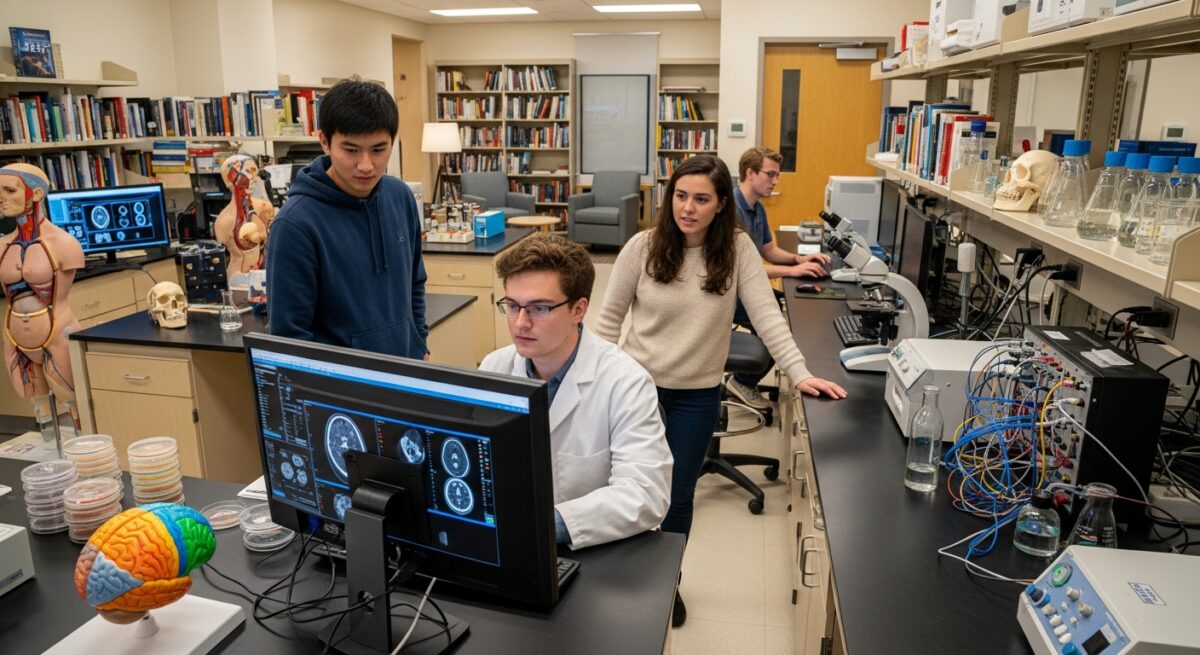
Research infrastructure also sets top programs apart. Universities with dedicated psychology research centers, brain imaging facilities, animal behavior labs, and longitudinal data archives provide students with hands-on training that builds marketable skills. For undergraduates, access to research assistant positions and honors thesis opportunities can strengthen graduate school applications. For doctoral students, the availability of teaching assistantships and research assistantships often determines whether they can complete their degrees without accumulating excessive debt.
Another hallmark of excellent programs is their curriculum design. The best psychology programs and research universities offer a balance of foundational theory, methodological training, and specialization options. Students should expect rigorous coursework in statistics, research design, cognitive processes, developmental psychology, and psychopathology. Electives should allow exploration of niche areas such as forensic psychology, health psychology, or industrial-organizational psychology. Internship and practicum placements further enhance learning by connecting classroom knowledge with real-world application.
Top Research Universities for Psychology
Several institutions consistently appear at the top of national rankings for psychology graduate programs. According to U.S. News & World Report, the following universities offer exceptional psychology research opportunities:
- Stanford University – Known for its Department of Psychology, which emphasizes cognitive neuroscience, social psychology, and affective science. Stanford’s interdisciplinary approach allows collaboration with the School of Medicine and the Graduate School of Education.
- University of California, Berkeley – A powerhouse in clinical science, developmental psychology, and behavioral neuroscience. Berkeley’s psychology faculty includes multiple recipients of the APA Distinguished Scientific Contribution Award.
- University of Michigan, Ann Arbor – Offers one of the largest psychology departments in the country, with particular strength in social psychology, personality psychology, and quantitative methods. The university’s Institute for Social Research provides extensive data resources.
- Yale University – Renowned for its clinical psychology program, which follows the scientist-practitioner model. Yale’s psychology department collaborates closely with the Yale Child Study Center and the Yale School of Medicine.
- Harvard University – A leader in cognitive psychology, developmental psychology, and behavioral economics. Harvard’s psychology department offers unique research centers such as the Laboratory for Developmental Studies and the Mind, Brain, and Behavior Initiative.
These universities maintain high standards for admission, but they also provide substantial financial support for doctoral students. Most fully funded PhD programs cover tuition, health insurance, and a living stipend in exchange for teaching or research work. Prospective applicants should research each program’s funding model carefully, as unfunded offers can lead to significant financial strain.
Evaluating Clinical vs. Experimental Programs
When researching best psychology programs and research universities, students must distinguish between clinical and experimental tracks. Clinical programs focus on assessment, diagnosis, and treatment of mental disorders. They typically require supervised practicum hours and a predoctoral internship accredited by the APA. Experimental programs, by contrast, emphasize laboratory research, theory development, and empirical methods. Graduates of experimental programs often pursue careers in academia, government research agencies, or private sector research and development.
Both tracks can lead to rewarding careers, but they require different preparation. Clinical psychology applicants need volunteer or paid experience in mental health settings, strong letters of recommendation from clinical supervisors, and a clear statement of clinical interests. Experimental psychology applicants should demonstrate research productivity through conference presentations, co-authored publications, or independent research projects. Many top programs offer combined clinical-science training that integrates both perspectives.
Specialized Psychology Programs Worth Considering
Beyond general psychology degrees, many universities offer specialized programs that prepare students for specific career paths. For instance, forensic psychology programs train students to work within the legal system, conducting competency evaluations, providing expert testimony, and treating incarcerated populations. Our guide on Best Colleges for Forensic Psychology Programs: Top Picks highlights institutions with strong forensic tracks, including John Jay College of Criminal Justice and the University of Denver.
Other specializations include health psychology, which examines how psychological factors influence physical health and illness. Health psychologists work in hospitals, medical schools, and public health agencies. Industrial-organizational psychology applies psychological principles to workplace issues such as employee selection, training, and motivation. School psychology focuses on supporting students’ academic, social, and emotional development within educational settings. Each specialization has its own accreditation requirements and career outlook, so students should research thoroughly before committing.
Online Psychology Programs and Flexible Options
For students who need flexibility due to work, family, or geographic constraints, online psychology programs offer viable pathways. Many regionally accredited universities now offer fully online bachelor’s degrees in psychology, as well as master’s degrees in specialized areas like applied behavior analysis or clinical mental health counseling. However, students should exercise caution: online programs vary widely in quality, and some lack the rigorous research training that graduate schools expect.

When evaluating online psychology programs, check for the following: regional accreditation, APA accreditation for doctoral programs, faculty qualifications, graduation rates, and licensure exam pass rates. Some top universities offer hybrid programs that combine online coursework with intensive on-campus residencies. These programs can provide the best of both worlds: scheduling flexibility plus in-person networking and lab experience. Additionally, many community colleges offer affordable associate degrees in psychology that transfer seamlessly to four-year universities, making the bachelor’s degree more accessible.
Financial considerations also play a role. While online programs often cost less than traditional on-campus programs, students should factor in technology fees, proctoring fees, and the cost of textbooks. Many employers offer tuition reimbursement benefits, so check with your human resources department before enrolling. For more information on funding your education, visit CollegeAndTuition.com for resources on scholarships, grants, and loan options.
How to Apply to Competitive Psychology Programs
Gaining admission to the best psychology programs and research universities requires strategic planning. Start by identifying your career goals and researching programs that align with those goals. Create a spreadsheet of target schools, noting application deadlines, required materials, and funding opportunities. Most doctoral programs require the following:
- Graduate Record Examination (GRE) scores – While some programs have dropped the GRE requirement, many still consider it. Take the GRE early to allow time for retakes if needed.
- Transcripts – A strong GPA in psychology coursework and related sciences (e.g., statistics, biology) is essential. Most competitive programs expect a minimum 3.5 GPA.
- Letters of recommendation – Secure three to four letters from psychology professors or research supervisors who can speak to your research skills and potential.
- Statement of purpose – Articulate your research interests, relevant experience, and why you are a good fit for the specific program. Tailor this document to each university.
- Writing sample – Submit a research paper or thesis that demonstrates your analytical and writing abilities.
Deadlines vary widely, but most doctoral programs have deadlines between November and January for fall admission. Master’s programs often have rolling admissions or spring deadlines. Begin preparing at least 18 months before your intended start date. Reach out to faculty members whose research aligns with your interests; a personal connection can significantly improve your chances of acceptance.
Frequently Asked Questions
What is the difference between a PhD and a PsyD in psychology?
A PhD (Doctor of Philosophy) in psychology emphasizes research and prepares graduates for academic and research careers. A PsyD (Doctor of Psychology) focuses on clinical practice and applied skills. Both degrees can lead to licensure as a psychologist, but PhD programs typically offer more funding and research training, while PsyD programs often cost more and emphasize clinical hours.
Can I become a psychologist with an online degree?
Yes, but only if the program holds proper accreditation. For clinical psychology, the program must be APA-accredited. Many fully online doctoral programs lack APA accreditation, which can block licensure. Hybrid programs that include in-person residencies are more likely to meet accreditation standards. Always verify accreditation status with the APA and your state’s licensing board.
What undergraduate major is best for psychology graduate school?
A bachelor’s degree in psychology is the most common pathway, but majors in neuroscience, sociology, or even biology can also prepare you effectively. Regardless of major, you need coursework in statistics, research methods, and abnormal psychology. Research experience is more important than the specific major, so seek out lab positions and independent study projects.
How long does it take to complete a psychology PhD?
Most psychology PhD programs require five to seven years of full-time study. The timeline includes two to three years of coursework, comprehensive exams, a dissertation, and a one-year predoctoral internship. Some students take longer if their research requires extensive data collection or if they need to retake exams. Master’s programs typically take two to three years.
What jobs can I get with a bachelor’s degree in psychology?
A bachelor’s degree in psychology opens doors to entry-level positions in human resources, social services, marketing, sales, and mental health support roles (e.g., psychiatric technician, case manager). However, many careers in psychology require a graduate degree. The bachelor’s degree also serves as excellent preparation for law school, medical school, or business school.
Final Thoughts on Choosing Psychology Programs
Selecting among the best psychology programs and research universities requires honest self-assessment of your goals, strengths, and resources. Visit campuses when possible, attend virtual open houses, and speak with current students and faculty. Remember that the most prestigious program is not always the best fit for your specific interests. A smaller program with close mentorship may serve you better than a large research university where you feel lost in the crowd.
Ultimately, the right program will challenge you intellectually, support your professional development, and prepare you for a meaningful career in psychology. Take the time to research thoroughly, apply strategically, and trust the process. With dedication and careful planning, you can find a program that launches you toward success in this rewarding field.