Healthcare is evolving rapidly, and the demand for movement science experts has never been higher. Kinesiology, the scientific study of human movement, serves as a powerful foundation for careers in physical therapy, occupational therapy, sports medicine, and exercise physiology. For students mapping their academic journey, identifying the best kinesiology programs can make the difference between a standard education and a launchpad for a thriving clinical career. This article explores what makes a kinesiology degree exceptional, how to evaluate programs, and which pathways lead to the most promising healthcare opportunities.
Why Kinesiology Is a Gateway to Healthcare Careers
Kinesiology bridges the gap between basic science and clinical application. Students study anatomy, biomechanics, motor control, exercise physiology, and neuroscience. This comprehensive foundation prepares graduates for advanced graduate programs or direct entry into healthcare roles such as strength and conditioning specialist, cardiac rehabilitation coordinator, or health coach. The Bureau of Labor Statistics projects that employment in healthcare occupations will grow 13 percent from 2021 to 2031, much faster than the average for all occupations. Kinesiology graduates are uniquely positioned to fill these roles because they understand how the body moves, adapts, and heals.
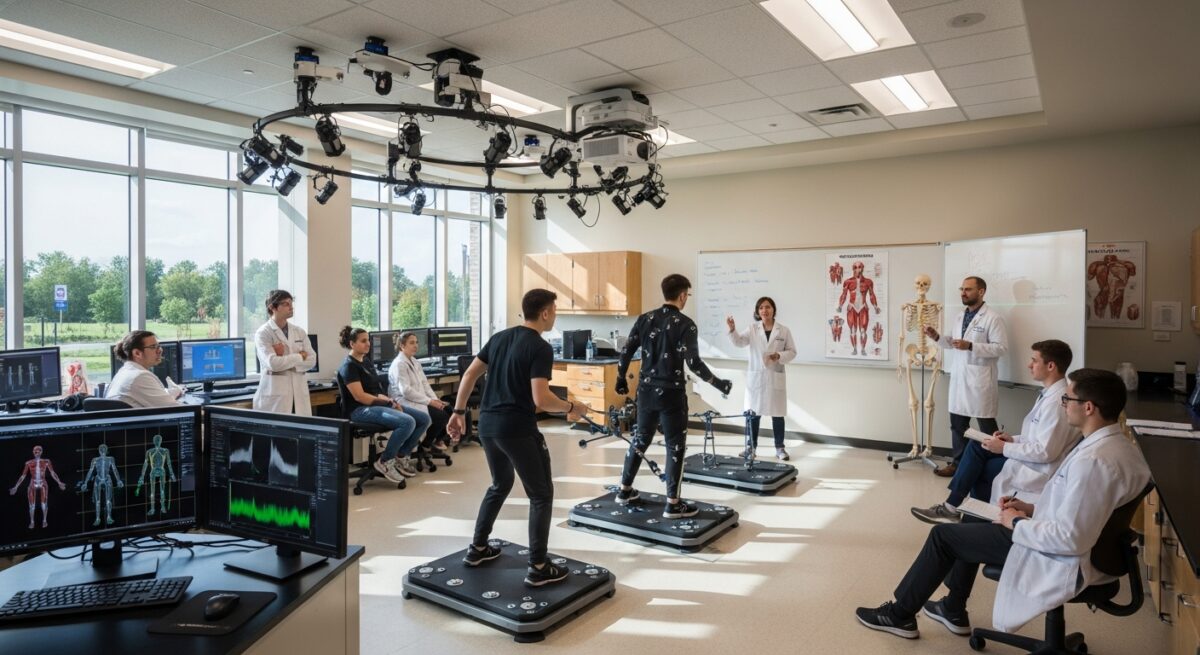
When researching the best kinesiology programs, prospective students should look for curricula that include hands-on laboratory experience, clinical internships, and research opportunities. Programs accredited by the Commission on Accreditation of Allied Health Education Programs (CAAHEP) or the Council on Accreditation for the Exercise Sciences (COAES) signal a commitment to high standards. Graduates from such programs often have higher acceptance rates into graduate schools for physical therapy or occupational therapy. For career changers exploring flexible options, many accredited online degrees now offer kinesiology concentrations that accommodate working professionals while maintaining rigorous academic standards.
Core Features of Top Kinesiology Programs
Not all kinesiology colleges deliver the same quality of education. The best programs share several distinguishing characteristics that prepare students for competitive healthcare careers. Understanding these features helps applicants make informed decisions and avoid programs that lack depth or clinical connections.
Comprehensive Curriculum and Specialization Tracks
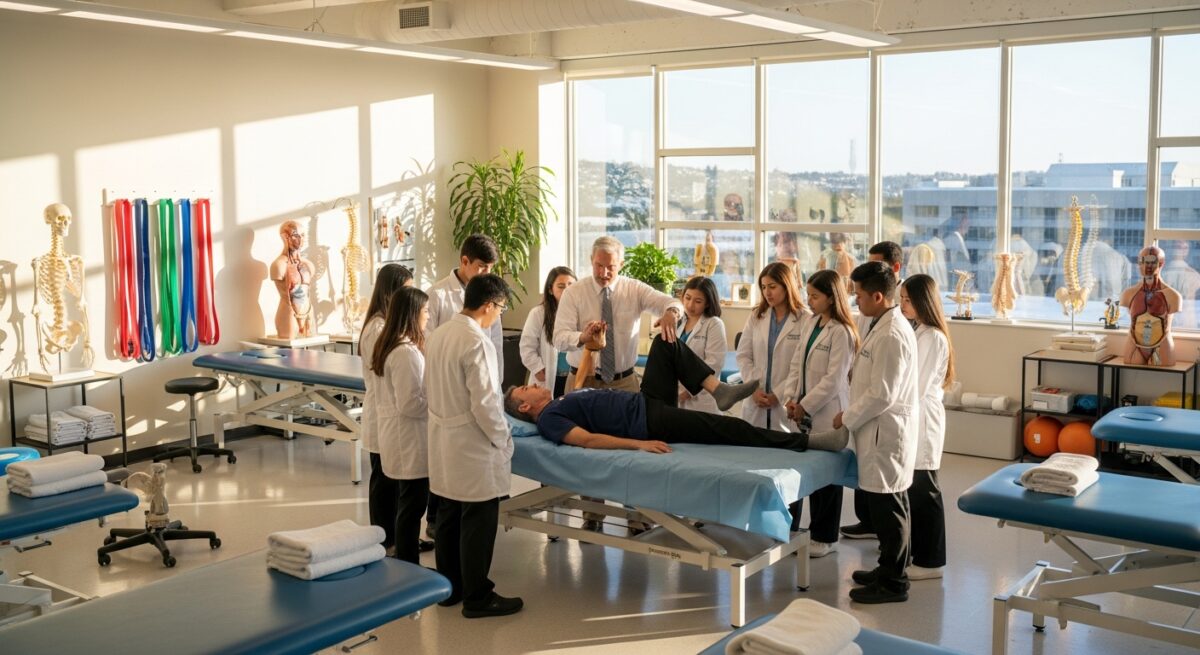
Exceptional programs offer a broad core curriculum combined with specialization tracks. For example, a student might complete foundational courses in human anatomy, physiology, and statistics, then choose a track in pre-physical therapy, sports performance, or clinical exercise physiology. This structure allows students to tailor their education to their specific career goals. Look for programs that require at least two semesters of cadaver anatomy, as this provides irreplaceable hands-on understanding of musculoskeletal structures. Programs that integrate coursework in pathology, pharmacology, and patient communication produce graduates who are better prepared for graduate-level clinical training.
Another hallmark of top programs is the inclusion of capstone projects or undergraduate research. Students who complete a research thesis or applied project gain critical thinking skills that set them apart in graduate school applications. Many of the best kinesiology programs also offer opportunities to present research at regional or national conferences, which builds professional networks and strengthens resumes.
Clinical and Experiential Learning Opportunities
Classroom theory only becomes valuable when applied in real-world settings. Leading kinesiology colleges require or strongly encourage clinical internships, practicums, or volunteer experiences. These placements often occur in physical therapy clinics, hospital rehabilitation units, corporate wellness centers, or collegiate athletic departments. A program with established partnerships with local healthcare providers gives students access to mentors and potential job offers after graduation.
For example, a student at a top program might complete a 200-hour internship in a sports medicine clinic, observing orthopedic evaluations and assisting with rehabilitation exercises. This experience not only reinforces classroom learning but also provides concrete examples for graduate school interviews. Some programs also offer study abroad opportunities focused on global health and physical activity, which broaden perspectives and demonstrate cultural competence to future employers.
Faculty Expertise and Mentorship
The quality of faculty directly impacts student outcomes. Outstanding programs hire professors who are active researchers, licensed clinicians, or both. These faculty members bring current industry knowledge into the classroom and can write compelling letters of recommendation for graduate school. When evaluating programs, prospective students should review faculty publications and clinical backgrounds. Small class sizes also facilitate meaningful mentorship, which is critical for navigating the complex graduate school application process.
Students should seek programs where faculty have expertise in areas such as gait analysis, sports injury prevention, or geriatric exercise. Faculty who serve on professional organization committees or editorial boards often provide networking opportunities that lead to internships or job offers. For adult learners returning to school, some of the best kinesiology programs offer evening or hybrid formats taught by the same expert faculty as traditional daytime sections.
Top Career Paths After Earning a Kinesiology Degree
A kinesiology degree opens doors to multiple healthcare careers. Understanding these pathways helps students choose programs that align with their long-term goals. Below are the most common and rewarding career trajectories for graduates of the best kinesiology programs.
- Physical Therapist (DPT): After completing a Doctor of Physical Therapy program, graduates work in hospitals, outpatient clinics, and skilled nursing facilities helping patients recover movement and function. Kinesiology is the most common undergraduate major for DPT applicants.
- Occupational Therapist (OTD or MSOT): These professionals help patients regain independence in daily activities. A kinesiology background provides strong preparation in biomechanics and motor control, which are essential for OT practice.
- Physician Assistant (PA): Many kinesiology graduates pursue PA school, where their understanding of human movement and anatomy gives them an advantage in orthopedics and rehabilitation medicine.
- Exercise Physiologist (ACSM-CEP): These specialists work in cardiac rehabilitation, pulmonary rehab, and wellness programs. Certification from the American College of Sports Medicine is common.
- Strength and Conditioning Coach (CSCS): Graduates work with athletes at all levels, from high school to professional sports, designing training programs that improve performance and reduce injury risk.
Each of these careers requires additional education or certification beyond the bachelor’s degree, but the best kinesiology programs provide the prerequisite coursework and experiential foundation needed for admission. Many programs also offer pre-health advising services that help students track requirements for specific graduate programs. For those seeking accelerated pathways, some universities offer combined bachelor’s to master’s programs in kinesiology or related fields, which can reduce overall time and cost. You can explore these options through resources like online degree portals that aggregate program information and admission requirements.

How to Evaluate and Compare Kinesiology Colleges
With hundreds of programs available, narrowing down choices requires a systematic approach. Prospective students should evaluate kinesiology colleges based on factors that directly affect career outcomes. Start by examining graduation rates, graduate school acceptance rates, and job placement statistics. Programs that track and publish these metrics demonstrate accountability. Next, consider the program’s alumni network. Strong networks provide mentorship, job leads, and professional connections long after graduation.
Cost is another critical factor. In-state public universities often offer the best value, but many private institutions provide substantial merit-based scholarships. Students should calculate total cost of attendance including tuition, fees, books, and living expenses, then compare that against potential starting salaries in their chosen field. The best kinesiology programs also offer financial aid counseling and help students apply for federal work-study positions in campus wellness centers or research labs.
Location matters for clinical placements. Programs in urban areas with multiple hospitals and clinics offer more internship diversity than programs in rural settings. However, some rural programs have strong partnerships with regional medical centers and offer lower living costs. Students should also consider whether they prefer a research-intensive university or a teaching-focused college. Research universities may offer more opportunities to work on funded projects, while teaching colleges often provide smaller classes and more personalized advising.
Finally, accreditation status is non-negotiable. Attending a regionally accredited institution ensures that credits transfer and that graduates are eligible for graduate school admission. For specific programs, look for additional accreditation from CAAHEP or the National Strength and Conditioning Association (NSCA) Education Recognition Program. Programs with these designations meet rigorous standards and often have higher board exam pass rates.
Frequently Asked Questions About Kinesiology Programs
What is the difference between kinesiology and exercise science?
Kinesiology is a broader field that encompasses the study of human movement from multiple perspectives including biomechanics, motor control, and psychology. Exercise science is a subfield focused specifically on the physiological responses to exercise and training. Many programs use the terms interchangeably, but kinesiology programs often include more comprehensive coursework in anatomy, neuroscience, and clinical applications. For students targeting healthcare careers, a kinesiology degree typically provides better preparation for graduate programs in physical therapy or occupational therapy.
Can I become a physical therapist with a kinesiology degree?
Yes, kinesiology is the most common undergraduate major for students applying to Doctor of Physical Therapy (DPT) programs. However, you must complete all prerequisite courses required by your target DPT programs, which may include additional chemistry, physics, or psychology courses not covered in every kinesiology curriculum. The best kinesiology programs specifically design their curricula to meet DPT prerequisites, saving students time and tuition.
How long does it take to complete a kinesiology bachelor’s degree?
A traditional bachelor’s degree in kinesiology takes four years of full-time study. Some programs offer accelerated three-year options or combined bachelor’s to master’s pathways that can be completed in five years. Part-time options are available at many universities, though these typically extend completion time to five or six years. Online programs often offer more flexible pacing for working adults.
Are online kinesiology programs respected by graduate schools?
Yes, as long as the program is regionally accredited and includes required laboratory components. Many reputable universities now offer online or hybrid kinesiology programs that provide the same curriculum as on-campus versions. Graduate schools evaluate applicants based on GPA, prerequisite completion, and experience rather than delivery format. However, students should ensure that online programs offer opportunities for hands-on lab work, either through at-home lab kits or on-campus intensives.
Making Your Final Decision
Choosing from the best kinesiology programs requires balancing academic quality, cost, location, and career goals. Start by identifying your target healthcare career and researching the prerequisite requirements for graduate programs in that field. Then, create a shortlist of kinesiology colleges that offer those prerequisites along with strong clinical placement opportunities. Visit campuses if possible, or attend virtual information sessions to get a feel for the program culture and faculty expertise. Talk to current students and alumni about their experiences in securing internships, gaining research experience, and gaining admission to graduate school.
Remember that the best program for someone else may not be the best for you. Your ideal program will align with your learning style, budget, and professional aspirations. For career changers or students seeking maximum flexibility, exploring online degree options can reveal programs that combine academic excellence with the convenience of remote learning. Ultimately, investing time in this research will pay dividends in the form of a rewarding healthcare career built on a strong kinesiology foundation.