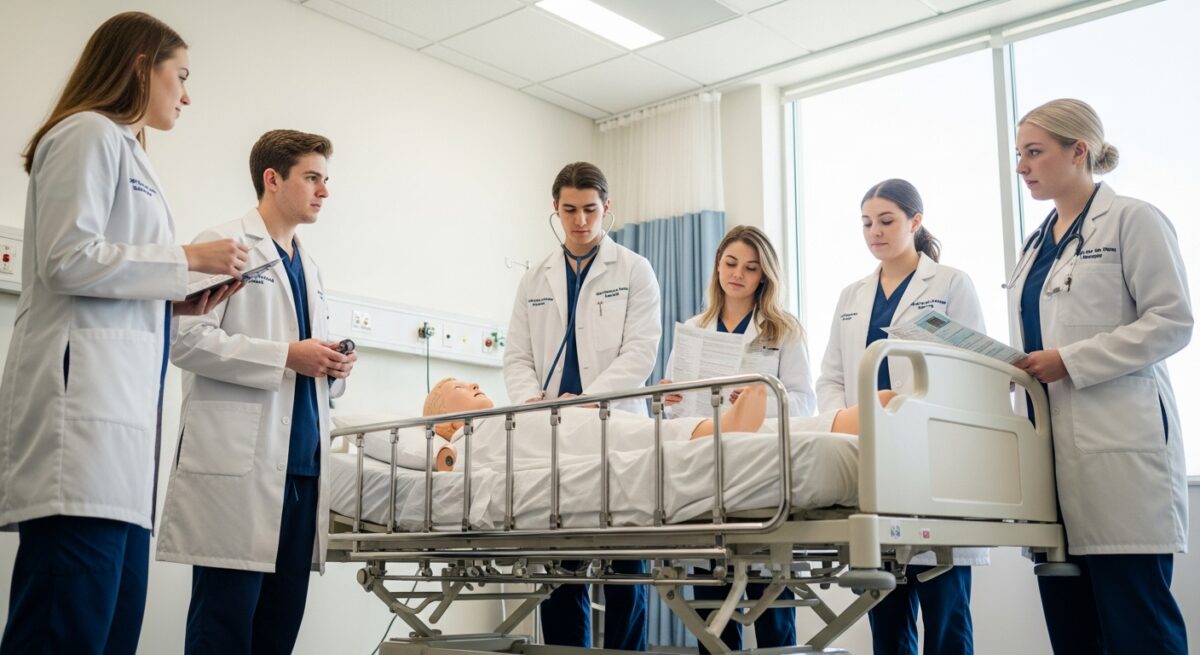
Choosing the right undergraduate institution is one of the most consequential decisions a future physician can make. The path from high school to medical school demands rigorous coursework, meaningful research experience, and a support system that understands the unique pressures of pre med life. For students asking where to find the best colleges for pre med students, the answer depends on factors like access to hospital partnerships, strength of advising, and opportunities for hands-on clinical exposure. This article examines the leading programs that consistently produce competitive medical school applicants and provides a framework for evaluating your options.
A strong pre med program does more than offer the required science courses. It integrates academic rigor with practical experiences that build a compelling medical school application. Many of the best pre med programs feature dedicated pre health advising offices, undergraduate research opportunities in biomedical fields, and proximity to major medical centers. These elements help students maintain high GPAs while developing the clinical hours and leadership experiences that admissions committees value. The institutions profiled below have earned reputations for excellence in these areas, making them standout choices for aspiring physicians.
What Defines a Top Pre Med College
Before examining specific schools, it is important to understand the criteria that separate exceptional pre med programs from average ones. Medical school admissions are holistic, but undergraduate preparation plays an outsized role in determining acceptance rates. The best colleges for pre med students share several characteristics that give their graduates a competitive edge.
First, institutional commitment to pre health advising matters greatly. Schools with dedicated pre health committees provide structured support for crafting personal statements, preparing for interviews, and selecting courses that meet medical school prerequisites. Second, research infrastructure allows students to engage in meaningful projects that demonstrate scientific curiosity. Third, clinical exposure opportunities whether through on campus hospitals, community partnerships, or study abroad programs help students confirm their commitment to medicine. Finally, a culture of collaboration rather than competition among pre med students reduces stress and fosters peer learning.
Key Features to Evaluate
When researching programs, prospective students should look for the following indicators of quality:
- Medical school acceptance rate: Compare a school’s pre med acceptance rate to the national average of approximately 40-45 percent. Top programs often report rates above 70 percent.
- Advisor to student ratio: A low ratio ensures personalized guidance for course selection, research opportunities, and application strategy.
- Hospital and research affiliations: Schools with teaching hospitals or partnerships with medical centers provide easier access to shadowing and clinical volunteering.
- Grade inflation or deflation policies: Understanding how a school grades science courses can help you anticipate GPA outcomes.
These factors combine to create an environment where pre med students can thrive. The institutions listed below excel across these dimensions, offering a strong foundation for medical school success.
Top Tier National Universities for Pre Med
Several elite research universities consistently rank among the best colleges for pre med students due to their extensive resources and strong track records. These schools attract top faculty and offer cutting edge research facilities that give undergraduates a head start on their medical careers.
Harvard University stands out for its unparalleled access to Harvard Medical School and its affiliated hospitals. Undergraduates can participate in research at some of the world’s leading biomedical institutions, and the pre med advising office provides structured support throughout the four years. Similarly, Johns Hopkins University has long been synonymous with medicine. Its undergraduate pre med program benefits from direct connections to the Johns Hopkins Hospital and School of Medicine, offering students clinical exposure that few other programs can match. The university’s emphasis on research means that even first year students can join labs studying topics from cancer biology to neuroscience.
Stanford University offers a unique advantage with its location in Silicon Valley, where interdisciplinary approaches to medicine are encouraged. Students can combine pre med coursework with majors in bioengineering, computer science, or public health, preparing them for the evolving landscape of modern healthcare. The university’s strong alumni network in medicine provides mentorship and research opportunities that extend beyond graduation. For students interested in the intersection of technology and medicine, Stanford represents one of the best pre med programs available.
Duke University rounds out this tier with its renowned pre health advising program and strong acceptance rates to medical schools. Duke’s curriculum allows students to explore medicine through programs like the Global Health Institute and the Duke Clinical Research Institute. The university’s emphasis on service learning also helps students build the community involvement that medical schools look for in applicants.
Liberal Arts Colleges With Strong Pre Med Tracks
While large research universities offer obvious advantages, liberal arts colleges often provide equally strong preparation for medical school. These smaller institutions focus on close faculty mentorship and collaborative learning environments that help students develop critical thinking and communication skills essential for physicians. Many of the best colleges for pre med students are actually liberal arts colleges that boast impressive medical school acceptance rates.
Amherst College, Williams College, and Swarthmore College consistently rank among the top producers of medical school applicants from liberal arts backgrounds. Their small class sizes allow for deep engagement with science faculty, and their strong alumni networks provide research and shadowing opportunities. Students at these schools often have higher acceptance rates to top medical schools than their counterparts at larger universities, partly because admissions committees value the rigorous writing and analytical training that liberal arts curricula provide.
Bowdoin College in Maine offers a distinctive pre med program that emphasizes community health and rural medicine. Students can complete clinical rotations through partnerships with local hospitals and clinics, gaining hands on experience while serving underserved populations. The college’s pre health committee writes detailed composite letters of recommendation that carry significant weight in medical school admissions. Similarly, Pomona College in California provides access to the Claremont Colleges consortium, allowing pre med students to take courses across five campuses while benefiting from Pomona’s strong advising infrastructure.
For students who prefer a close knit community with personalized attention, these liberal arts options represent some of the best pre med programs in the country. They prove that a large research university is not the only path to medical school success.
Public Universities With Outstanding Pre Med Pathways
Public universities offer an affordable route to medical school without sacrificing quality. Many state flagship institutions have developed robust pre med programs that rival those at private universities, especially for in state students who benefit from lower tuition rates. These schools are among the best colleges for pre med students seeking value and strong outcomes.
The University of North Carolina at Chapel Hill boasts a pre med program with a medical school acceptance rate well above the national average. Its location near the UNC School of Medicine and UNC Hospitals provides students with research and clinical opportunities from their first year. The university’s pre health advising office offers workshops, mock interviews, and application review services that help students present competitive applications.
The University of Michigan Ann Arbor is another public powerhouse for pre med students. Its undergraduate research opportunities are extensive, and the university’s health system is one of the best in the nation. Michigan’s pre med program benefits from strong alumni connections in medicine and a dedicated pre health resource center that guides students through every step of the application process. The university also offers a guaranteed medical school admission program for exceptional students, making it a top choice for high achievers.
Other notable public universities include the University of California Los Angeles, the University of Virginia, and the University of Texas at Austin. Each of these schools combines academic rigor with clinical access and strong advising. For example, UCLA’s location in Los Angeles gives students access to multiple medical centers and research institutes, while UT Austin’s Dell Medical School partnership provides unique opportunities for undergraduates interested in healthcare innovation. These institutions demonstrate that public universities can offer some of the best pre med programs when they invest in pre health infrastructure.

Students considering public universities should research whether their state’s flagship school has a pre med track with dedicated advisors and hospital partnerships. Many public universities now offer honors programs that provide the personalized attention typically associated with private schools, making them even more attractive for pre med students.
Specialized Programs and Accelerated Pathways
Some of the best colleges for pre med students offer specialized programs that streamline the path to medical school. These include BS/MD programs that guarantee admission to a partner medical school upon completion of undergraduate requirements, as well as early assurance programs that reduce the stress of the traditional application cycle.
Northwestern University’s Honors Program in Medical Education is one of the most selective accelerated pathways in the country. It allows students to complete both a bachelor’s degree and a medical degree in seven years rather than the traditional eight. Similarly, Case Western Reserve University offers a Pre-Professional Scholars Program that provides early assurance of admission to its medical school for qualified undergraduates. These programs are highly competitive but offer significant advantages for students who know early in their college careers that they want to pursue medicine.
For students who prefer a more traditional timeline, programs like the University of Rochester’s REMS (Rochester Early Medical Scholars) program provide a guaranteed interview and strong support throughout the application process. These specialized pathways often include research requirements, clinical experiences, and mentoring from medical school faculty. They represent some of the most structured and supportive environments for pre med students, making them among the best pre med programs for highly motivated individuals.
However, students should carefully evaluate the terms of these programs. Some require a minimum MCAT score or GPA that can be challenging to maintain, and others limit the number of medical schools to which a student can apply. Before committing to an accelerated program, students should consider whether the structure aligns with their learning style and career goals.
How to Choose the Right Pre Med College for You
Selecting from the best colleges for pre med students requires honest self assessment. A school’s reputation matters less than its fit with your personal needs and learning preferences. Start by evaluating your academic strengths and weaknesses. If you thrive in small classes with direct faculty interaction, a liberal arts college may serve you better than a large research university. If you want access to cutting edge research and a wide range of medical specialties, a university with a major teaching hospital may be the better choice.
Consider also the financial implications of your decision. Medical school tuition is substantial, so minimizing undergraduate debt is a wise strategy. Public universities and schools that offer generous merit aid can reduce financial pressure and allow you to focus on your studies. The best pre med programs are those that you can complete without taking on excessive debt, as high loan balances can influence career choices after medical school.
Location matters as well. Schools in urban areas typically provide more clinical exposure through hospitals and clinics, while rural schools may offer unique opportunities in community health and primary care. Visit campuses when possible and speak with current pre med students about their experiences. Ask about the advising office’s responsiveness, the availability of research positions, and the culture among pre med peers. A collaborative environment where students share resources and study together can make the challenging pre med coursework more manageable.
Finally, consider the school’s track record with medical school admissions beyond just acceptance rates. Look at where graduates attend medical school and whether those schools align with your aspirations. If you are interested in a specific specialty or region, choose a school with strong connections to programs in that area.
Frequently Asked Questions About Pre Med Programs
What is the most important factor in choosing a pre med college?
The most important factor is the strength of the pre health advising office. A dedicated advisor who understands medical school requirements and can guide you through the application process is invaluable. Schools with pre health committees that write comprehensive letters of recommendation also provide a significant advantage.
Can I attend any college and still get into medical school?
Yes, but the path is more challenging without structured support. Students from any accredited college can gain admission to medical school if they complete prerequisites, maintain a high GPA, and secure strong extracurricular experiences. However, schools with established pre med programs make this process easier by providing resources and connections.
Do medical schools prefer certain undergraduate majors?
No, medical schools accept students from all majors as long as prerequisite courses are completed. While many pre med students major in biology or chemistry, humanities and social science majors can be equally competitive. A unique major can even help you stand out, provided you demonstrate academic excellence and a genuine interest in medicine.
How important is undergraduate research for medical school applications?
Research experience is highly valued, but it is not mandatory for all medical schools. Strong research demonstrates scientific curiosity and the ability to work in a lab setting. For competitive MD programs and MD/PhD programs, research is essential. For DO programs and some state medical schools, clinical experience may carry more weight.
What is the average GPA for medical school acceptance?
The average GPA for accepted medical students is approximately 3.7 for MD programs and 3.5 for DO programs. However, these averages vary by school and by applicant pool. A strong MCAT score can compensate for a slightly lower GPA, and some schools consider upward grade trends favorably.
For additional guidance on navigating the college selection process and understanding degree options, explore our resources on Best Colleges for Entrepreneurship and Startup Careers to see how different programs structure their support systems.
Building Your Pre Med Future
The journey to becoming a physician begins with the undergraduate experience. By selecting one of the best colleges for pre med students, you position yourself for success in medical school admissions and beyond. Remember that the institution you choose is just one factor in your development. Your dedication to coursework, research, clinical experiences, and personal growth will ultimately determine your outcomes. The best pre med programs provide the tools and support, but your effort and passion for medicine will drive your success. Use the framework in this article to evaluate your options, and visit campuses, speak with advisors, and trust your instincts. For more information on affordable degree options and financial aid strategies, visit Scholarship Education to explore funding opportunities that can make your pre med journey more accessible. With careful planning and commitment, you can build a strong foundation for a rewarding career in medicine.