Choosing the right college for photography and creative arts can shape your entire career. The best programs combine technical mastery with artistic vision, offering access to professional equipment, experienced faculty, and industry connections. Whether you dream of becoming a commercial photographer, a fine artist, or a creative director, the school you select matters immensely. This guide examines top institutions that excel in photography and creative arts, helping you find the perfect fit for your goals and budget.
What Makes a Photography Program Stand Out
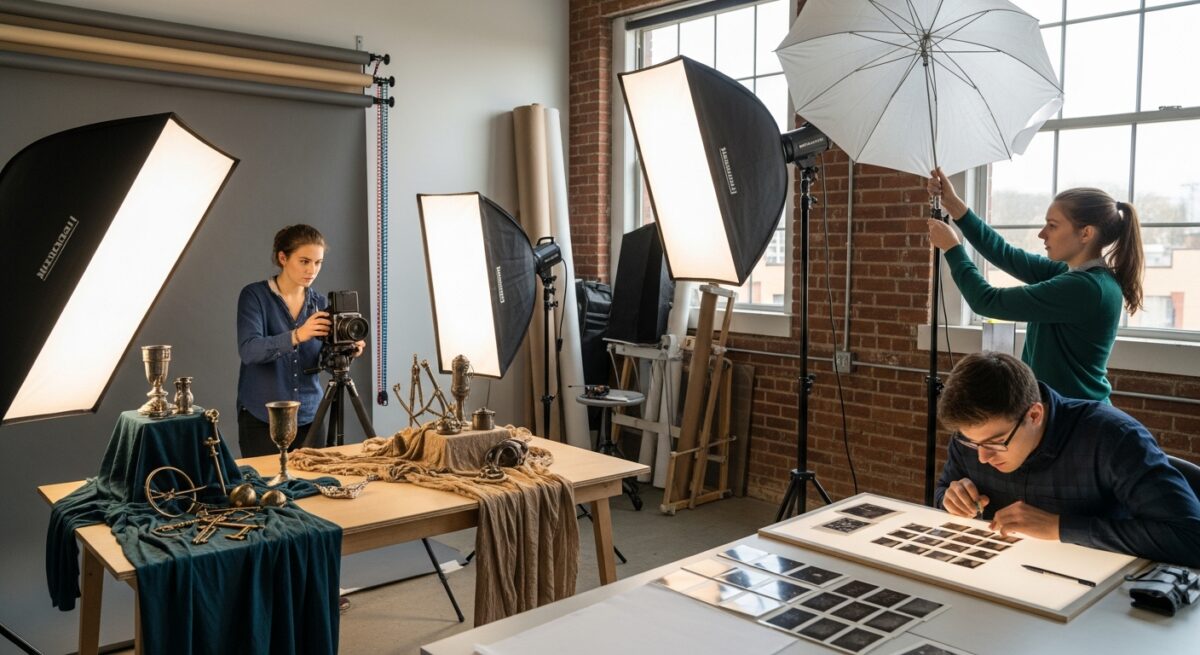
Not all photography schools offer the same value. The best colleges for photography and creative arts share several key traits that set graduates up for success. First, they provide hands-on access to industry-standard gear, including medium-format cameras, studio lighting, and digital editing suites. Second, they employ instructors who are active professionals with real-world experience. Third, strong programs build bridges to internships and job placements through alumni networks and industry partnerships.
When evaluating visual arts colleges, look for curriculum depth. A program that covers both analog and digital techniques gives you a broader skill set. Courses in color theory, composition, and lighting should pair with business classes on freelancing, licensing, and client management. The best photography schools also encourage experimentation across genres such as portraiture, documentary, fashion, and fine art.
Accreditation is another critical factor. Regionally accredited institutions ensure your credits transfer and your degree holds value. Many top creative arts colleges hold specialized accreditation from the National Association of Schools of Art and Design (NASAD). This stamp of approval signals rigorous academic and artistic standards.
Top Colleges for Photography and Creative Arts
Below is a curated list of schools known for their exceptional photography and creative arts programs. Each institution offers unique strengths, from location to specialization.
1. Rhode Island School of Design (RISD)
RISD consistently ranks among the best colleges for photography and creative arts worldwide. Its Photography BFA emphasizes both conceptual thinking and technical precision. Students work in state-of-the-art darkrooms and digital labs while studying under acclaimed photographers. The school’s location in Providence, Rhode Island, provides access to galleries and museums in nearby Boston and New York City.
RISD’s curriculum requires foundation courses in drawing, design, and critical studies. Upper-level classes cover advanced lighting, color management, and portfolio development. Graduates often exhibit in major galleries or work for top publications. The school’s alumni network is a powerful resource for job placement.
2. School of Visual Arts (SVA) in New York City
Located in Manhattan, SVA gives students direct access to the world’s photography capital. The BFA in Photography and Video integrates still and moving image work. Students can intern at major studios, magazines, and advertising agencies while earning their degree. Faculty members include working professionals from National Geographic, The New York Times, and Vogue.
SVA offers specialized tracks in fashion photography, documentary, and fine art. The program requires a senior thesis project and a professional portfolio review. Many graduates secure positions as editorial photographers, art directors, or commercial artists. The school’s career services department actively connects students with industry opportunities.
3. California Institute of the Arts (CalArts)
CalArts, founded by Walt Disney, is a powerhouse for creative arts. Its Photography and Media program encourages experimental approaches to image-making. Students explore alternative processes, installation art, and digital media alongside traditional photography. The campus in Valencia, California, offers proximity to Los Angeles creative industries.
The curriculum emphasizes critical theory and artistic research. Students complete a comprehensive thesis project that showcases their unique vision. CalArts graduates often pursue careers as exhibiting artists, curators, or educators. The school’s interdisciplinary environment fosters collaboration across film, music, and design programs.
4. Pratt Institute (Brooklyn, New York)
Pratt’s Photography Department offers BFA and MFA degrees with a focus on both fine art and professional practice. The program covers analog and digital processes, studio lighting, and digital imaging. Students benefit from small class sizes and direct mentorship from faculty. Pratt’s location in Brooklyn places students in one of the most vibrant arts communities in the United States.
The curriculum includes courses in art history, critical theory, and professional practices. Students build a strong portfolio through studio work and critique sessions. Pratt’s alumni include celebrated photographers and creative directors. The school’s career center provides internship placements at top fashion houses, galleries, and publishing houses.
5. Savannah College of Art and Design (SCAD)
SCAD offers one of the most comprehensive photography programs in the country. The BFA in Photography provides training in commercial, fine art, and digital photography. Students access cutting-edge facilities including a 30,000-square-foot photography studio complex. SCAD’s Atlanta and Savannah campuses provide diverse shooting environments.
The program requires courses in lighting, color theory, and digital workflow. Students also study business practices for photographers, including marketing and contract negotiation. SCAD’s career services department reports high placement rates for graduates. Many alumni work for brands like Apple, Nike, and National Geographic.
How to Choose the Right Photography School for You
Selecting from the best colleges for photography and creative arts requires careful self-assessment. Consider these factors before applying:

- Program focus: Some schools emphasize fine art, while others prioritize commercial photography. Match your career goals with the program’s strengths.
- Location: Urban schools offer more internship opportunities, while rural campuses may provide unique natural settings for landscape work.
- Cost and financial aid: Compare tuition, fees, and scholarship availability. Look for schools that offer merit-based aid for creative portfolios.
- Facilities and equipment: Visit campuses or take virtual tours to see darkrooms, studios, and computer labs. Ask about equipment checkout policies.
- Alumni outcomes: Research where graduates work and how quickly they find jobs. Strong placement rates indicate effective career preparation.
Once you narrow your list, request portfolio reviews from admissions counselors. Many schools offer feedback sessions that can strengthen your application. Also, talk to current students about their experiences, as they can provide honest insights about faculty support and campus culture.
Online and Affordable Options for Photography Degrees
Not every student can relocate or afford high tuition. Fortunately, several accredited online programs deliver quality education at lower costs. For example, Southern Technical College offers a Photography diploma program that prepares students for entry-level positions. Similarly, Platt College provides an online Graphic Design program that includes photography coursework. These options allow you to study from home while building a professional portfolio.
Community colleges also offer affordable pathways. Many two-year programs in photography transfer credits to four-year institutions. This strategy can reduce overall costs while providing foundational training. Always verify that your chosen community college has articulation agreements with your target university.
For those seeking flexible schedules, online photography degrees from regionally accredited schools provide credibility and convenience. Programs typically include digital coursework, virtual critiques, and access to online libraries. Some schools even mail equipment kits for hands-on assignments. When exploring these options, confirm that the program includes business and marketing courses, as these skills are essential for freelance success.
In our guide on top premier private colleges for students in Missouri, we explain how to evaluate private institutions for creative programs. Many private colleges offer generous scholarships for art students, making them more affordable than their sticker prices suggest.
Building a Career After Photography School
Graduating from one of the best colleges for photography and creative arts is just the first step. To build a sustainable career, you need a strong portfolio, business acumen, and networking skills. Most successful photographers spend their first few years assisting established professionals, building client relationships, and refining their style.
Consider specializing in a niche such as wedding photography, commercial product photography, or fine art portraiture. Specialization helps you stand out in a crowded market. Many photography schools offer alumni networking events and job boards that can jumpstart your career. Also, join professional organizations like the American Society of Media Photographers (ASMP) for ongoing education and networking opportunities.
Freelancing is common in this field, so develop skills in invoicing, contracts, and self-promotion. Use social media platforms like Instagram and Behance to showcase your work. Many photographers also teach workshops or sell prints to diversify their income. With persistence and creativity, a photography degree can lead to a fulfilling career.
Frequently Asked Questions
What is the best college for photography in the United States?
There is no single best school, as the right choice depends on your goals. Rhode Island School of Design (RISD), School of Visual Arts (SVA), and CalArts are consistently top-ranked for photography and creative arts. Each offers unique strengths, so research programs that align with your artistic vision.
Can I become a photographer without a degree?
Yes, many successful photographers are self-taught. However, a degree from a reputable program provides structured training, access to equipment, professional connections, and portfolio development. For careers in commercial photography or fine art, a degree often opens more doors.
How much does a photography degree cost?
Tuition varies widely. Public universities may charge $10,000 to $30,000 per year, while private art schools can cost $40,000 to $60,000 annually. Financial aid, scholarships, and online programs can reduce costs significantly. Always complete the FAFSA to determine eligibility for federal aid.
What equipment do I need for photography school?
Most programs require a digital SLR or mirrorless camera with manual controls. Some schools provide studio equipment and darkroom access. Check each school’s recommended equipment list before purchasing. Many students start with basic gear and upgrade as they specialize.
Are online photography degrees respected?
Yes, when earned from regionally accredited institutions. Online programs from schools like Southern Technical College or Platt College offer flexible schedules and practical training. Ensure the program includes portfolio development and critique sessions to build a strong body of work.
For more resources on finding the right degree program, visit CollegeDegrees.School, a comprehensive platform that helps students discover affordable online degrees and connect with featured educational institutions.
Final Thoughts on Choosing a Photography College
The best colleges for photography and creative arts provide more than technical training. They cultivate your artistic voice, connect you with industry professionals, and prepare you for a competitive field. Whether you choose a prestigious art school or an affordable online program, your success depends on your dedication to the craft. Research thoroughly, visit campuses, and trust your instincts. With the right education and persistence, you can turn your passion for photography into a rewarding career.