The dream of earning a college degree should not be synonymous with a lifetime of debt. For many aspiring students, the primary barrier to higher education is not capability, but cost. Fortunately, the landscape of post-secondary education has evolved dramatically, offering legitimate, high-quality, and budget degree programs that can lead to meaningful careers without the crushing financial burden. This comprehensive guide explores the strategies and specific pathways available for students seeking a top-tier education on a practical budget, focusing on accredited, reputable options that maximize return on investment.
Expanding the Definition of Budget Degrees
The term “budget” in higher education does not mean low quality or limited value. Instead, it signifies a strategic approach to obtaining a credential that prioritizes financial efficiency. A true budget degree program is one that minimizes total cost while maximizing the educational and career outcomes for the student. This can be achieved through various models, including public in-state tuition, innovative competency-based education, and fully online delivery that eliminates ancillary costs. The key is to look beyond just the sticker price of tuition and consider the total cost of attendance, which includes fees, books, technology, and, crucially, the opportunity cost of time spent not working. By evaluating all these factors, students can identify programs that offer exceptional value. This requires a shift in perspective from seeking the cheapest option to finding the most cost-effective pathway to a specific goal.
Understanding this distinction is critical. A poorly regarded degree from an unaccredited institution, even if very inexpensive, is not a true budget degree, it is a wasted investment. The goal is to find programs from regionally accredited institutions that are recognized by employers and other universities. These programs provide a durable credential that opens doors. The financial strategies behind these affordable pathways often involve institutional mandates, like those at public community colleges, state university systems with low in-state rates, or universities that have built a mission around accessibility. For a deeper dive into evaluating the structure and legitimacy of digital education, our resource on navigating online degree programs provides a critical review framework that is highly applicable.
Primary Models for Affordable Higher Education
Several established models form the backbone of affordable degree attainment today. Each model serves different student needs and preferences, but all share the common goal of reducing financial strain.
The community college to university pipeline remains one of the most effective and proven strategies. Students complete their general education requirements and associate degree at a local community college, where tuition is often a fraction of the cost at a four-year institution. They then transfer to a partner or public state university to complete their bachelor’s degree. This model can cut the total cost of a bachelor’s degree by 50% or more. Many states have guaranteed articulation agreements that ensure all credits transfer seamlessly, making this a safe and structured path.
Competency-Based Education (CBE) programs represent a revolutionary, budget-conscious model. In CBE programs, students progress by demonstrating mastery of specific skills and knowledge areas, not by accumulating credit hours in a semester-based system. If a student already possesses knowledge from work or life experience, they can move quickly through that material. This allows motivated students to accelerate their time to degree completion, sometimes finishing a bachelor’s program in well under four years, thereby saving on tuition and entering the workforce sooner. Tuition is often offered as a flat-rate subscription for a set period, encouraging rapid progress.
Finally, fully online public universities, particularly those run by state university systems, offer another robust avenue. These institutions leverage technology to deliver education at scale, which helps keep tuition low. They frequently offer in-state tuition rates to all online students, regardless of their physical location, effectively creating a national budget option. The online format also eliminates costs related to commuting, campus housing, and relocation, further reducing the total financial impact on the student.
Key Strategies for Minimizing Total Cost
Choosing the right model is the first step, but employing savvy financial and academic strategies is what truly unlocks the potential of a budget degree. Proactive planning can turn an affordable program into an extraordinarily low-cost endeavor.
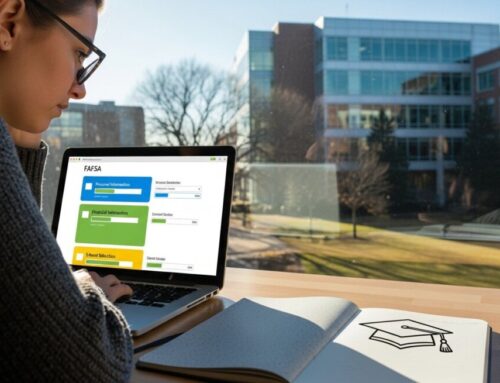
Aggressively pursuing all available financial aid is non-negotiable. This begins with submitting the Free Application for Federal Student Aid (FAFSA) every year, regardless of income. The FAFSA unlocks federal grants, like the Pell Grant, which do not need to be repaid, as well as federal student loans with favorable terms. Many states and institutions also use the FAFSA for their own grant and scholarship distributions. Beyond the FAFSA, a dedicated search for private scholarships, even for smaller amounts, can add up significantly. Many are tailored for non-traditional students, specific majors, or those attending online programs.
Credit for prior learning is a powerful tool for adult learners. Many colleges grant credit for knowledge gained outside the classroom through professional training, military service, licenses, certifications, or independent study. This is typically assessed via portfolio review, challenge exams, or standardized evaluations like the College Level Examination Program (CLEP) or DSST exams. Earning credits through these methods can cost a few hundred dollars per exam, compared to thousands for a traditional course, dramatically shortening the path to graduation.
Strategic course loading and material sourcing are final, practical steps. In subscription-based or flat-rate term models, taking the maximum allowable credits per term lowers the per-credit cost. Simultaneously, students should always seek out free or low-cost textbook alternatives, such as library copies, digital rentals, Open Educational Resources (OER), or used books, to avoid one of the most persistent hidden costs in higher education.
Choosing the Right Budget Program for Your Goals
With so many options, selecting the right program requires careful alignment with your personal, professional, and financial objectives. The best budget degree program for one person may not be suitable for another.
Start by defining your career outcome with as much specificity as possible. Research the typical educational requirements for your target role. Does it require a specific professional accreditation (like nursing or engineering)? Is a broad liberal arts degree sufficient, or is a specialized technical skill set needed? This clarity will immediately narrow the field of relevant programs. For example, someone aiming for a role in healthcare administration should prioritize programs with CAHME accreditation, even within the budget category, as this credential is a key differentiator for employers.
Next, conduct a thorough investigation of the institution’s reputation and the program’s structure. Verify regional accreditation without exception. Research graduation rates, job placement rates for graduates, and student debt levels, which are often reported by the institution or through tools like the College Scorecard. Examine the curriculum: does it align with current industry standards? Are there opportunities for practical application through projects or virtual simulations? Contact the admissions and financial aid offices with detailed questions to gauge their responsiveness and support for students. A true budget program invests in student support services, including academic advising, career counseling, and technical help, as these services are critical to student success and timely graduation.
To help in your evaluation, here are the essential factors to compare when reviewing potential budget degree programs:
- Accreditation Status: Confirm it is regionally accredited at the institutional level.
- Total Estimated Cost: Calculate tuition, fees, books, and technology for the entire program.
- Financial Aid Offer: Analyze the mix of grants, scholarships, and loans in your aid package.
- Credit Transfer & Prior Learning Policies: Understand the rules and limits for bringing in outside credits.
- Graduate Outcomes Data: Seek information on graduation rates, employment rates, and average salaries.
After gathering this data, create a simple comparison matrix. The optimal choice is rarely the absolute cheapest, but the one that offers the strongest combination of credible accreditation, relevant curriculum, strong student support, and a total net price that aligns with your financial reality. Remember that investing time in this selection process is an investment in your future, ensuring that the degree you earn is both affordable and valuable.
Achieving Your Educational Ambitions Responsibly
Pursuing a degree on a budget is an exercise in smart consumerism and long-term planning. It demands research, self-advocacy, and a clear-eyed view of your goals. The modern educational ecosystem is rich with opportunities designed for the cost-conscious learner, from the foundational role of community colleges to the innovative flexibility of competency-based learning. By leveraging financial aid, prior experience, and strategic enrollment choices, the upfront financial barrier can be managed effectively. The ultimate success of any educational investment, budget or otherwise, is measured by the doors it opens and the opportunities it creates. By choosing a respected, accredited program that fits your financial landscape, you are not just saving money in the short term, you are building a foundation for sustainable career growth and financial stability without the anchor of excessive debt. The path is there for those willing to navigate it with diligence and purpose.