Returning to school as an adult or switching careers later in life can feel like navigating unfamiliar territory. You may wonder if you are too old to start over, whether your family obligations will derail your studies, or how to afford tuition while maintaining a full-time job. These concerns are valid, but they are also surmountable. Across the United States, millions of adults are proving that it is never too late to earn a degree, learn a new skill, or pivot into a more fulfilling profession. The key lies in accessing the right adult learner and career changer support systems, understanding your options, and building a realistic plan that fits your life.
Why Adult Learners and Career Changers Are a Growing Force in Higher Education
The traditional image of a college student as an 18-year-old living in a dormitory is shifting. Today, non-traditional students including working parents, military veterans, and mid-career professionals make up a significant portion of the student body. According to recent data from the National Center for Education Statistics, nearly 40 percent of all college students in the United States are age 25 or older. These adult learners bring valuable real-world experience to the classroom, but they also face unique challenges such as balancing coursework with jobs and childcare, refreshing academic skills after a long break, and navigating financial aid systems designed primarily for younger students.
Career changers add another layer of complexity. Whether you are leaving a stagnant industry, re-entering the workforce after raising children, or pursuing a passion that never faded, the process often requires new credentials. Many career changers discover that their previous degree or experience does not transfer neatly into their desired field. This is where targeted adult learner and career changer support becomes essential. Institutions and online platforms now offer flexible degree programs, credit for prior learning, and career counseling specifically designed for this demographic.
Overcoming Common Barriers for Returning Students
Time Management and Scheduling Conflicts
One of the most frequently cited obstacles for adult learners is finding time for schoolwork. Between a 40-hour workweek, family responsibilities, and commuting, adding classes can seem impossible. However, many accredited programs now offer asynchronous online courses that allow you to watch lectures and complete assignments on your own schedule. Some schools also provide accelerated eight-week terms instead of traditional 16-week semesters, enabling you to finish courses faster. When researching programs, look for those that explicitly state they cater to working adults. These programs often have evening, weekend, or fully online options that eliminate the need to commute to a physical campus.
Another practical strategy is to negotiate with your employer. Many companies offer tuition reimbursement or flexible work hours as part of their benefits package. Even if your employer does not advertise these programs, it is worth asking. Frame the conversation around how your new skills will benefit the company. If you are a career changer, you might need to be more creative with your schedule. Consider reducing your work hours temporarily or using paid time off for study days. The investment of time now can yield a much higher income and job satisfaction later.
Financial Concerns and Affordable Options
Cost is another major barrier. Adult learners often hesitate to take on student loans because they have existing financial obligations like mortgages or children’s expenses. Fortunately, there are affordable paths forward. Community colleges, for example, offer low-cost associate degrees and certificate programs that can transfer to four-year universities. Many states also have adult education grants or scholarships that do not require repayment. Additionally, competency-based education programs allow you to earn credit for knowledge you already have, reducing both time and tuition.
When evaluating financial options, explore federal financial aid first by completing the Free Application for Federal Student Aid (FAFSA). Even if you think you earn too much to qualify, you might be surprised. Grants such as the Federal Pell Grant are available to adults who demonstrate financial need. Some employers also partner with specific colleges to offer discounted tuition rates. Finally, consider online degree programs that are often more affordable than their on-campus counterparts because they have lower overhead costs. For more detailed strategies on managing your return to school, review our guide on Adult Learner Tips for Success Returning to School.
Academic Readiness and Confidence
It is common for adult learners to doubt their academic abilities after years away from the classroom. You might worry that you have forgotten basic math or that your writing skills are rusty. Colleges understand this and often provide free refresher courses, tutoring centers, and writing labs. Many schools also offer a “bridge” program specifically for returning students. These short courses help you rebuild foundational skills without the pressure of a graded class. Additionally, online resources like Khan Academy and Coursera offer free mini-courses that can boost your confidence before you enroll.
Another powerful form of support is connecting with peers who share your situation. Look for student organizations or online forums for adult learners. Hearing how others overcame similar fears can be motivating. Some colleges even assign a dedicated adult learner advisor who helps you navigate registration, financial aid, and academic planning. Do not underestimate the value of this personalized support. A single conversation with an advisor can clarify the entire process and reduce your anxiety.
Choosing the Right Degree or Certificate Program
Selecting a program is one of the most consequential decisions you will make as an adult learner or career changer. The wrong choice can waste time and money, while the right one can open doors to a stable, rewarding career. Start by identifying your end goal. Are you looking for a quick credential to enter a specific trade, or do you need a bachelor’s degree to advance in your current field? For career changers, it is often wise to research job postings in your target industry. Note the education requirements listed by employers. You might discover that a certificate or associate degree is sufficient, saving you years of study.
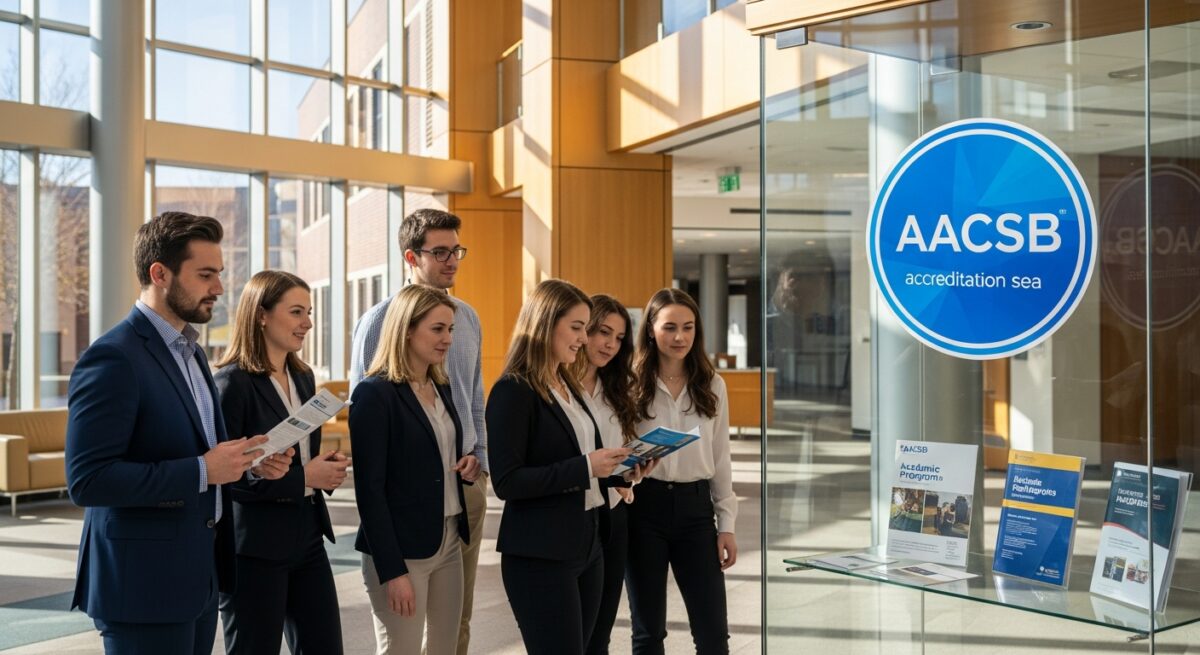
Next, evaluate the institution’s accreditation. Accreditation ensures that your degree will be recognized by employers and other schools if you decide to continue your education. Regional accreditation is the gold standard in the United States. You can verify a school’s accreditation status through the U.S. Department of Education’s database. Also, consider whether the program offers credit for prior learning. Many colleges award credit for military service, professional certifications, or life experience. This can shave months or even a full year off your degree timeline.

Finally, look for programs that include career placement services or internships. Some online degrees now include virtual internships that allow you to gain experience without leaving your home. For example, a career changer moving into information technology might benefit from a program that includes a certification exam prep course. These practical components make your education directly applicable to the job market. If you are unsure where to start, browse the extensive directory of programs at DegreeOnline.Education, which lists accredited online degrees by subject and state.
Building a Support Network for Long-Term Success
Support does not end with enrollment. Adult learners who thrive are those who actively build a network around their educational journey. This network can include family members who understand your study schedule, colleagues who cover for you during exams, and instructors who offer office hours via video chat. Many online programs also have virtual study groups or discussion boards where you can ask questions and share resources. Do not isolate yourself. The feeling of being the only adult in a class full of traditional students is common, but it is also temporary. Once you start contributing your professional insights, you will find that your peers respect your perspective.
Mentorship is another critical component. If you are a career changer, find a professional already working in your desired field. They can provide advice on which skills are most valuable, how to tailor your resume, and what certifications carry weight. LinkedIn is an excellent platform for connecting with potential mentors. Many professionals are willing to have a 15-minute informational interview. Additionally, your college’s alumni network can be a goldmine of connections. Alumni often enjoy helping current students, especially those who are career changers themselves.
Frequently Asked Questions
Can I get financial aid as an adult learner?
Yes. Adult learners are eligible for federal financial aid including Pell Grants, work-study programs, and student loans. You must complete the FAFSA each year. Many states also offer grants specifically for adult students. Check with your school’s financial aid office for institution-specific scholarships.
How do I know if online learning is right for me?
Online learning requires self-discipline and good time management. If you can set a weekly study schedule and stick to it, online courses can be a great fit. Most programs offer a trial period or a free sample course. Take advantage of these to test your comfort level before committing.
Will my previous college credits transfer?
It depends on the receiving institution. Most accredited colleges accept transfer credits from other accredited schools, especially if the courses are similar. You can request a preliminary credit evaluation before applying. Some schools also accept credits from prior learning assessments or standardized exams like CLEP.
What is the fastest way to change careers?
For many fields, an accelerated certificate program or an associate degree is the fastest route. These programs typically take 6 to 18 months. Some high-demand fields like healthcare and technology offer stackable credentials that let you start working after one certificate and continue your education later.
Do employers value degrees earned later in life?
Absolutely. Employers value the perseverance and real-world perspective that adult learners bring. A degree earned at age 40 demonstrates initiative and the ability to manage multiple responsibilities. Many hiring managers prefer candidates with life experience over those who went straight from high school to college.
Starting a new educational chapter as an adult or changing careers mid-life is not a sign of being behind. It is a courageous step toward a future that aligns with your goals and values. With the right adult learner and career changer support, you can navigate the challenges of time, money, and confidence. Begin by researching programs that fit your schedule, applying for financial aid, and connecting with advisors who understand your unique situation. The path may require sacrifice, but the destination a new career, a higher income, and the pride of achieving something you once thought impossible is well worth the effort.