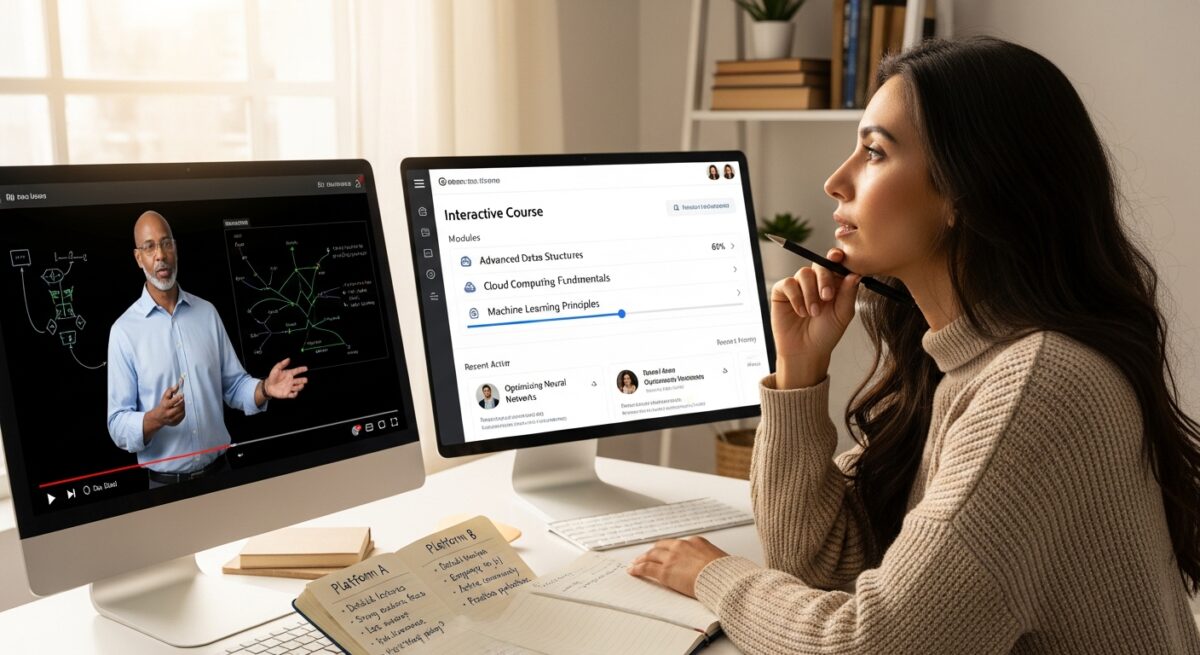
Choosing an online diploma can feel like navigating a vast and uncharted sea. With thousands of programs available at your fingertips, the sheer volume of options is both empowering and paralyzing. Simply picking the first result from a search engine is a recipe for disappointment, potentially leading to wasted time, money, and effort on a program that doesn’t align with your goals, learning style, or career trajectory. The key to success isn’t just finding an online diploma; it’s strategically contrasting online diplomas to uncover the nuanced differences that separate a good credential from a truly transformative one. This deliberate comparison is the most critical step in your educational journey, moving you from a passive consumer to an informed architect of your future.
The Foundation of Effective Comparison: Defining Your Personal Criteria
Before you can effectively contrast one online diploma against another, you must first establish a clear, personal framework for evaluation. This goes beyond superficial factors like cost or duration and delves into the core of why you are pursuing this education. Start by articulating your primary objective: Are you seeking a rapid skills boost for a promotion, a complete career change, or the foundational knowledge to start your own business? Each goal dictates a different set of program priorities.
Next, conduct a brutally honest self-assessment of your learning preferences and lifestyle. Do you thrive on live interaction and scheduled accountability, or do you require the absolute flexibility of asynchronous coursework to balance work and family? How do you best consume information—through video lectures, interactive simulations, reading-intensive modules, or collaborative projects? Understanding these personal parameters is the compass that will guide every subsequent comparison. Without this internal clarity, you’ll be swayed by marketing claims rather than grounded in what will truly work for you. This foundational step transforms the overwhelming process of reviewing dozens of programs into a targeted search for the few that meet your specific, non-negotiable criteria.
Academic and Structural Pillars to Contrast
With your personal criteria defined, you can begin the substantive work of contrasting the academic and structural pillars of each program. This is where you move from general preferences to concrete analysis, examining the elements that directly impact the quality and recognition of your credential.
Accreditation and Institutional Reputation
This is the non-negotiable starting point for any serious comparison. Accreditation is the bedrock of educational quality and credibility. In your search, you will encounter regional accreditation (the gold standard for academic institutions), national accreditation (often for vocational or faith-based schools), and programmatic accreditation (specific to fields like nursing, business, or engineering). A regionally accredited online diploma from a reputable university carries significant weight with employers and is essential if you plan to transfer credits or pursue further education. Always verify accreditation status directly with the accrediting body, not just the school’s website. The reputation of the institution itself also matters. Research its history, its standing in your desired industry, and the outcomes of its graduates.
Curriculum Design and Learning Modalities
Here is where the true contrast between online diplomas becomes apparent. Two programs in the same field can offer wildly different experiences. Scrutinize the course catalog. Does the curriculum provide a broad overview or deep, specialized skill development? Are the courses theoretical or applied, with hands-on projects and real-world case studies? Examine the technological delivery. Is the platform intuitive and mobile-friendly? What tools are used—are there pre-recorded lectures, live virtual labs, simulation software, or collaborative workspaces? The modality is equally crucial: asynchronous programs offer maximum flexibility but require high self-discipline, while synchronous programs with set meeting times foster community and structure. A detailed guide on this critical evaluation can be found in our resource on how to compare and contrast online academic programs, which breaks down each component to assess.
To systematically evaluate these aspects, focus on the following core components after your initial research:
- Faculty Credentials and Engagement: Who is teaching? Are they industry practitioners or research academics? What is their policy on feedback and office hours?
- Assessment Methods: How are you evaluated? Multiple-choice exams, written papers, portfolio projects, or peer assessments?
- Student Support Infrastructure: What dedicated resources exist for online learners? This includes tech support, tutoring, career services, and academic advising.
- Capstone or Practical Component: Does the program culminate in a project, internship, or exam that demonstrates applied competence?
Contrasting these elements will reveal which program offers a robust, engaging, and supportive learning environment tailored to how you learn best.
The Practical Realities: Cost, Time, and Career Outcomes
Beyond the academic structure lie the practical realities that will affect your daily life and long-term return on investment. A clear-eyed contrast in these areas prevents unpleasant surprises and ensures your educational journey is sustainable.
First, deconstruct the total cost. Don’t just look at the per-credit tuition. Factor in technology fees, registration fees, costs for textbooks or software, and any required residencies or proctored exams. Some programs advertise a low tuition rate but pile on mandatory fees, while others offer all-inclusive pricing. Investigate financial aid options, employer tuition reimbursement policies, and payment plans. The true cost is the total financial outlay required to complete the program.
Second, be realistic about time commitment. Programs may advertise a “12-month diploma,” but that often assumes full-time enrollment. Contrast the expected weekly hour commitment for coursework, readings, and assignments. Does it align with your current work and family obligations? Examine the program’s flexibility during crises—can you take a term off if needed without penalty? The schedule that looks manageable on paper can become a source of immense stress if misaligned with your reality.
Finally, and most importantly, contrast the promised career outcomes. Look beyond vague promises of “career advancement.” Does the program offer specific data on job placement rates, graduate salary increases, or employer partnerships? Are there networking opportunities, alumni mentorship programs, or career portals exclusive to graduates? A strong program doesn’t just educate you; it actively connects you to the next step in your professional journey. This focus on tangible outcomes is what separates a mere certificate from a career-launching credential.
Synthesizing Your Research to Make the Final Decision
After gathering detailed information on each program, you will likely have a spreadsheet or notes filled with data. The final step is synthesis—weighing the contrasts you’ve uncovered against your personal criteria. No program will be perfect in every category; the art of decision-making lies in identifying which compromises you are willing to make and which are deal-breakers.
Create a simple prioritization matrix. List your top five to seven criteria (e.g., total cost, accreditation type, synchronous/asynchronous, career support strength) and assign each a weight based on its importance to you. Then, rate each program you are contrasting on a scale for each criterion. The quantitative score can be helpful, but pay equal attention to the qualitative insights. Did one program’s admission counselor provide exceptionally clear and prompt answers? Did another’s curriculum include an exciting project that directly relates to your dream job? These intangible factors often reveal the culture and commitment of the institution.
Ultimately, the best way to contrast online diplomas is to engage directly. Attend virtual open houses, reach out to current students or alumni on professional networks like LinkedIn, and request access to a sample course module if possible. This firsthand experience will give you a feel for the learning interface, the communication style of the instructors, and the overall vibe of the program. It transforms your decision from an abstract analysis into an informed choice about a community you are preparing to join. By methodically working through these layers of comparison—personal, academic, practical, and experiential—you move beyond simply choosing a program to confidently selecting the right partner for your educational and professional ascent.