In a rapidly evolving job market where specialized knowledge is the new currency, pursuing an advanced degree program is a significant decision that can redefine your career trajectory and intellectual horizons. These programs, which include master’s, doctoral, and professional degrees, represent a deep commitment to academic and professional mastery. They are not merely continuations of undergraduate study but are transformative journeys designed to cultivate experts, innovators, and leaders. For many, the path forward involves weighing traditional on-campus immersion against the flexibility of modern digital learning methods, a choice that hinges on personal circumstances, career goals, and learning preferences. Understanding the landscape of these programs is the first critical step toward making an investment that aligns with your future.
The Spectrum of Advanced Academic Pathways
Advanced degree programs at universities are broadly categorized into two primary tiers: master’s degrees and doctoral degrees. A master’s degree, typically requiring one to three years of study, offers specialized knowledge in a field. Common types include the Master of Arts (MA), Master of Science (MS), and specialized professional degrees like the Master of Business Administration (MBA) or Master of Public Health (MPH). These programs often involve a combination of coursework and a final project, thesis, or comprehensive exam. They are designed to provide depth, enhance professional qualifications, and can serve as a stepping stone to doctoral study or advanced career positions.
Doctoral degrees represent the highest level of academic achievement. The Doctor of Philosophy (PhD) is a research-intensive degree focused on creating new knowledge through original dissertation work, often taking four to seven years to complete. Professional doctorates, such as the Doctor of Education (EdD), Doctor of Business Administration (DBA), or medical and legal degrees (MD, JD), apply rigorous research to solve complex practical problems within a specific profession. The commitment here is profound, involving close mentorship, independent research, and a significant contribution to the field’s body of knowledge.
Choosing the Right Format: Campus, Online, and Hybrid
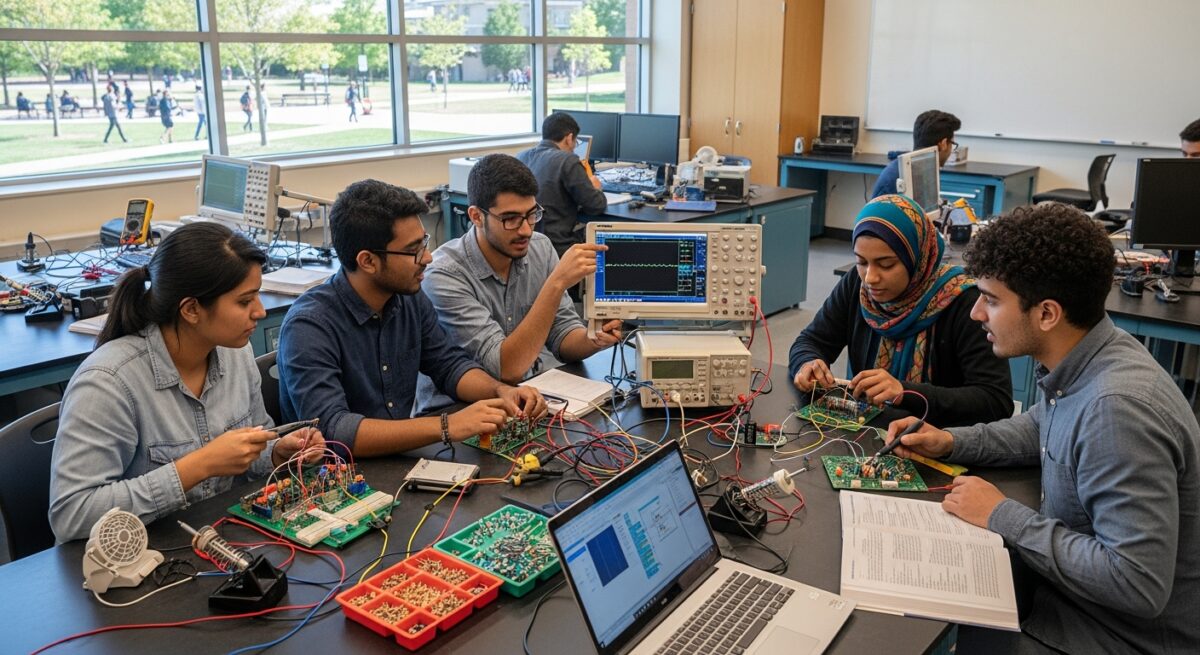
The delivery mode of advanced degree programs has undergone a revolutionary shift, largely expanding access. Traditional on-campus programs provide an immersive environment with direct access to faculty, laboratories, libraries, and peer networks. This format is often ideal for research-intensive fields, hands-on disciplines, and those who thrive on structured, in-person collaboration. The campus experience fosters a strong sense of community and academic identity that many scholars value.
Conversely, accredited online degree programs have matured from a niche alternative to a robust and respected mode of delivery. Leveraging sophisticated digital learning methods, these programs offer unparalleled flexibility for working professionals, caregivers, or those in remote locations. Quality online programs mirror their on-campus counterparts in curriculum and faculty, utilizing virtual classrooms, discussion forums, and digital resources. Hybrid or blended programs offer a middle ground, combining scheduled online sessions with occasional on-campus intensives, providing both flexibility and valuable face-to-face interaction. The choice between these formats now hinges less on prestige and more on which learning environment best suits your lifestyle and goals.
Strategic Selection and Admission Success
Selecting the right program requires more than reviewing rankings. It demands a strategic self-assessment and thorough investigation. Begin by clarifying your objectives: Are you seeking career advancement, a complete pivot, or pure intellectual pursuit? Your goal will dictate the type of degree and its necessary specializations.
With your objective in hand, evaluate programs using a multi-faceted approach. Accreditation is non-negotiable; it ensures educational quality and degree recognition. Investigate the faculty’s expertise and research interests—are they leaders in the area you wish to study? Examine the curriculum’s relevance and flexibility. For career-focused programs, scrutinize career support services, alumni networks, and employment outcomes. Financial considerations are paramount; investigate tuition, fees, and the availability of assistantships, fellowships, and scholarships. Many dedicated scholarship websites can help offset the considerable cost of graduate education.
The application process for advanced degree programs is a marathon, not a sprint. It is your opportunity to construct a cohesive narrative that connects your past experiences with your future aspirations. Key components include:
- Academic Transcripts: Demonstrating sustained intellectual capability.
- Standardized Test Scores: Such as the GRE, GMAT, or LSAT, though many programs are moving to test-optional policies.
- Statement of Purpose: A critical essay articulating your research interests, professional goals, and reasons for choosing that specific program and faculty.
- Letters of Recommendation: Typically from professors or supervisors who can attest to your potential for rigorous graduate study.
- Resume/CV: Detailing relevant professional and academic experiences.
Each element must be tailored to the specific program, demonstrating a clear understanding of its strengths and how you fit within its academic community. To explore foundational degree options that might precede an advanced program, you can learn more about college degrees and their various pathways.
Financing Your Advanced Education
The financial investment in an advanced degree is substantial, but a myriad of funding mechanisms exists beyond personal savings and loans. University-funded support is often the most desirable. Teaching Assistantships (TAs) and Research Assistantships (RAs) provide a stipend and frequently include a tuition waiver in exchange for work supporting faculty. Fellowships and grants are awarded based on merit or research promise and do not require work service. These are highly competitive but represent pure funding for your studies.
External funding from foundations, government agencies (like the National Science Foundation), and industry partners is also available for specific research projects. Employer sponsorship is a common route for professional master’s degrees, where a company invests in an employee’s skills with an agreement for future service. Federal and private student loans should be considered carefully as a last resort. A comprehensive financial plan will blend these resources, minimizing debt and allowing you to focus on your academic work. The return on investment should be evaluated not just in future salary, but in the doors opened and the intellectual capital gained.
The Evolving Landscape and Future Trends
The world of advanced education is not static; it is dynamically responding to technological and societal shifts. Micro-credentials and stackable certificates are allowing professionals to acquire specific skills without committing to a full degree, though full degrees still hold weight for deep, comprehensive expertise. Interdisciplinary programs are on the rise, breaking down traditional academic silos to address complex global challenges. Fields like data science, artificial intelligence, cybersecurity, and sustainable development are creating new advanced degree programs that sit at the intersection of computer science, ethics, policy, and engineering.
Furthermore, the integration of cutting-edge technology into pedagogy itself is a major trend. Virtual reality simulations for medical or engineering students, blockchain for verifying credentials, and AI-driven personalized learning platforms are enhancing the remote learning and on-campus experience alike. These innovations are making advanced knowledge more accessible and applicable. For instance, someone interested in the historical context of modern policy might find value in exploring what online history programs universities offer to understand societal evolution.
Ultimately, the value of an advanced degree extends far beyond a line on a resume. It represents a period of intense focus where you are challenged to think critically, solve complex problems, and contribute meaningfully to a chosen field. Whether through the collaborative energy of a campus lab, the disciplined flexibility of an online classroom, or a blend of both, these programs forge adaptable experts. The journey demands resilience, curiosity, and strategic planning, but for those who embark on it, the rewards—intellectual, professional, and personal—can be truly transformative, shaping not just a career, but a lifetime of contribution and understanding.