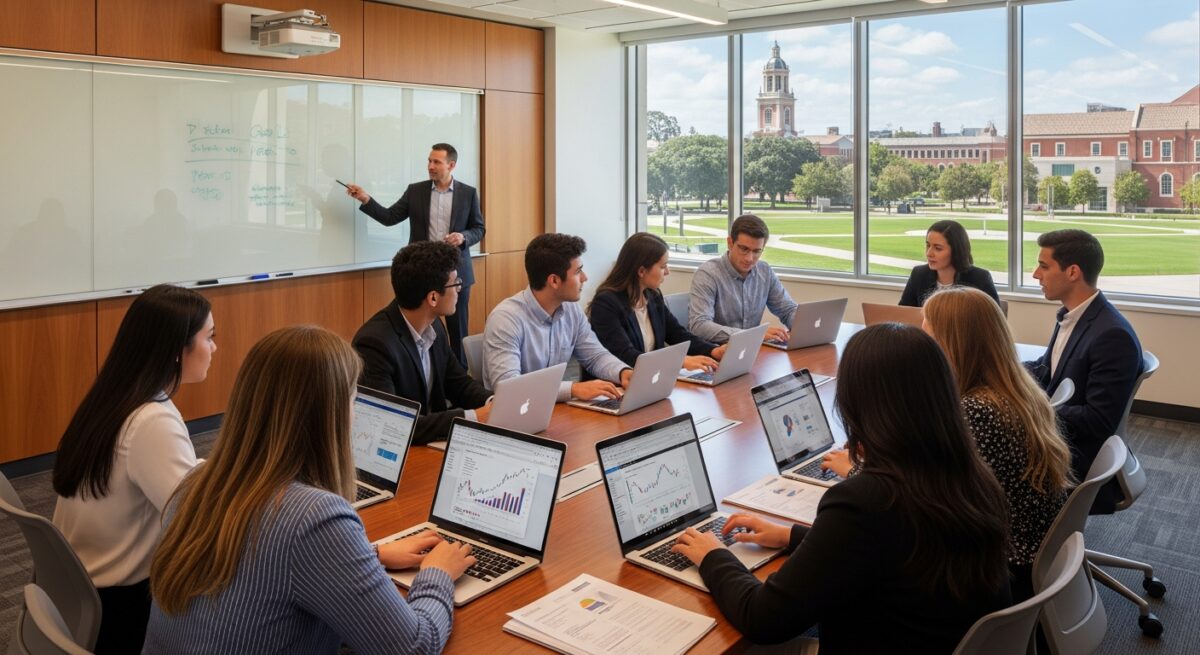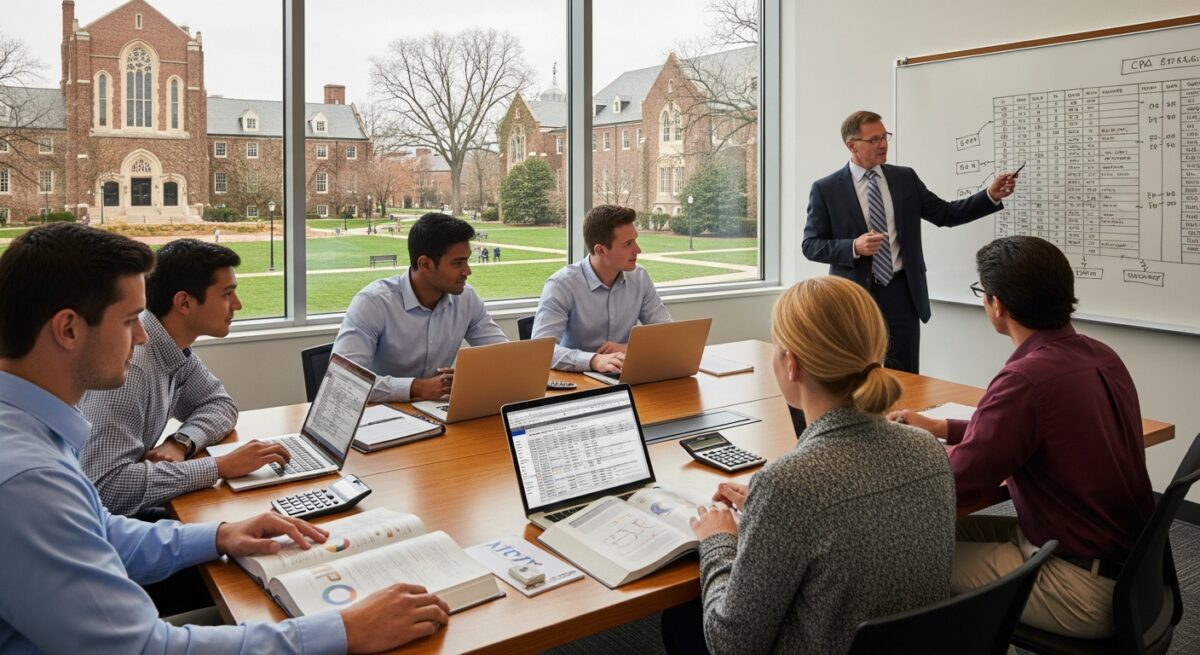
Choosing the right school for an accountancy degree is one of the most consequential decisions a student can make. The field of accounting offers stable careers, strong earning potential, and a clear path to professional certification, but the quality of your education directly impacts your job readiness and CPA exam success. With hundreds of colleges and universities offering accounting programs, the challenge is not finding options, but identifying which ones deliver the best return on your investment. This guide evaluates the best schools for accountancy programs by examining curriculum rigor, faculty expertise, career placement rates, and overall value.
Whether you are a high school student mapping out your future, a working professional seeking a career change, or a parent helping your child navigate college choices, understanding what makes an accounting program exceptional is vital. The best schools for accountancy programs share common traits: they offer comprehensive coursework in financial and managerial accounting, provide access to internships with top firms, and maintain strong relationships with the business community. They also prepare students for the CPA exam, which remains the gold standard for professional advancement in this field.
In this guide, we will explore the top ranked institutions, what to look for in a program, and how to make a smart choice that aligns with your career goals. We will also address frequently asked questions, helping you avoid common pitfalls in the selection process. By the end, you will have a clear framework for evaluating accounting colleges and choosing the path that best fits your needs.
Why Accreditation Matters for Accounting Programs
Accreditation is the first filter when evaluating any academic program. For accounting, accreditation from recognized bodies like the Association to Advance Collegiate Schools of Business (AACSB) or the Accreditation Council for Business Schools and Programs (ACBSP) signals that the program meets high standards of academic quality. These organizations review curriculum, faculty qualifications, and student outcomes, ensuring that your degree holds value in the job market.
Beyond general accreditation, specific accounting programs may also hold separate accreditation from the AACSB’s accounting-specific standards, which is considered the highest distinction for business and accounting schools. Graduating from an accredited program is often a prerequisite for sitting for the CPA exam in many states, so checking this requirement early is critical. For example, the New York State Education Department requires that CPA candidates complete a registered program, and many other states have similar requirements.
When comparing accounting colleges, always verify that the program is accredited by a recognized agency. Do not assume that a university’s overall accreditation automatically covers its accounting department. Visit the program’s website or contact the department directly to confirm. This step alone can save you from earning a degree that does not meet professional licensing standards.
Top Ranked Institutions for Accountancy
Several universities consistently appear at the top of national rankings for accounting programs. These schools are known for their rigorous academics, distinguished faculty, and exceptional placement rates. While rankings should not be the sole factor in your decision, they provide a useful starting point for identifying high-quality programs.
University of Texas at Austin (McCombs School of Business)
The McCombs School of Business is widely regarded as one of the best schools for accountancy programs in the United States. Its undergraduate accounting program is consistently ranked in the top five by publications like U.S. News & World Report. The program offers a Bachelor of Business Administration in Accounting, with opportunities for a five-year integrated master’s degree that satisfies the 150-hour requirement for CPA licensure in Texas. Students benefit from strong recruiting relationships with the Big Four accounting firms, and the school’s alumni network is extensive.
University of Illinois Urbana-Champaign (Gies College of Business)
The Gies College of Business at the University of Illinois is another powerhouse in accounting education. Its Master of Accountancy (MSA) program is ranked among the best in the nation, and the undergraduate accounting program is equally strong. The program emphasizes data analytics and technology skills, preparing students for a modern accounting landscape. Illinois also offers a highly regarded online MSA program, making it accessible to working professionals.
Brigham Young University (Marriott School of Business)
Brigham Young University’s accounting program has a stellar reputation for producing CPA exam-ready graduates. The Marriott School of Business offers a unique graduate accounting program that integrates a master’s degree with the CPA requirement, and its students consistently rank among the highest in the nation for first-time CPA pass rates. The program is rigorous and competitive, but it offers exceptional value for the cost, especially for in-state students.
Other Notable Programs
Several other institutions deserve mention. The University of Michigan’s Ross School of Business offers a top-tier accounting program. Indiana University’s Kelley School of Business is known for its strong undergraduate accounting major. The University of Southern California’s Leventhal School of Accounting is a dedicated accounting school within the Marshall School of Business. And the University of Notre Dame’s Mendoza College of Business offers a comprehensive accounting curriculum with a strong ethical foundation.
When researching these programs, pay attention to the specific features that matter to you, such as class size, internship opportunities, and the availability of specialized tracks like taxation or forensic accounting. A program that excels in one area may not be the best fit for your specific career aspirations.
What to Look for in an Accountancy Program
Beyond rankings, several key factors determine whether a program is right for you. Understanding these elements will help you evaluate any accounting college, whether it is a large public university or a small private college.
First, consider the curriculum. A strong accounting program should cover financial accounting, managerial accounting, auditing, taxation, and accounting information systems. Look for courses that integrate technology and data analytics, as these skills are increasingly important in the profession. Additionally, check whether the program offers electives in specialized areas like forensic accounting or international accounting, which can give you a competitive edge.
Second, evaluate the faculty. Research the professors who teach core accounting courses. Do they hold doctoral degrees? Do they have professional experience, such as working at a Big Four firm? Faculty who are active in research and professional organizations bring current insights into the classroom. Look for schools where professors are accessible and willing to mentor students outside of class.
Third, examine career services and placement rates. A great program should have a dedicated career center that works with accounting firms to recruit students. Ask about the percentage of graduates who secure jobs within six months of graduation, and which firms hire them. The best schools for accountancy programs often have formal internship pipelines with major employers, giving you a direct route to a job offer.
Fourth, consider the cost and financial aid. Accounting degrees can be expensive, but they are often a worthwhile investment. Compare tuition rates, scholarships, and assistantships. Some schools offer accelerated programs that reduce the time and cost to earn both a bachelor’s and master’s degree. For example, a four-year integrated program may save you both money and time compared to a traditional five-year path.

Specialized Program Features to Consider
Some programs offer unique features that align with specific career goals. Here are a few to look for:
- CPA preparation: Programs that explicitly incorporate CPA exam review into the curriculum can save you time and money on outside prep courses.
- Internship opportunities: Paid internships with accounting firms are invaluable for building your resume and networking. Look for programs with established internship relationships.
- Accelerated pathways: Some schools offer five-year combined bachelor’s and master’s programs that meet the 150-hour requirement efficiently.
- Online options: For working professionals, online programs offer flexibility without sacrificing quality. Many top-tier schools now offer fully online accounting degrees.
- Study abroad: If you are interested in global business, look for programs with international exchange partnerships.
Each of these features can be a deciding factor depending on your circumstances. Weigh them against your personal preferences and career ambitions.
Online Accountancy Programs: A Flexible Alternative
The rise of online education has transformed how students earn accounting degrees. Many accredited universities now offer fully online bachelor’s and master’s programs in accounting, providing flexibility for those who need to balance work, family, or other commitments. Online programs are particularly attractive for career changers who need to earn a degree while continuing to work.
When evaluating online programs, apply the same criteria as for traditional programs: accreditation, curriculum, faculty, and career support. One notable example is the University of Illinois’s online Master of Accountancy, which is delivered through the Coursera platform. It offers the same curriculum as the on-campus program, but with greater flexibility. Another strong option is the online Master of Accounting from the University of North Carolina at Chapel Hill, which is designed for working professionals.
Online programs often have lower tuition than their on-campus counterparts, and they eliminate costs associated with relocation. However, you must be disciplined and self-motivated, as online learning requires strong time management skills. Before enrolling, ensure that the program is accredited and that it offers adequate support services, such as academic advising and career counseling. You can also explore more affordable options by researching [affordable online degrees](https://collegedegree.school/best-schools-for-accountancy-programs-top-picks-for-2026/) on CollegeDegree.School to find programs that fit your budget.
How to Choose Between Different Accounting Colleges
With so many factors to consider, making a final decision can be overwhelming. To simplify the process, create a checklist of your priorities. Start by listing the non-negotiables, such as accreditation and CPA eligibility. Then, rank the other factors by importance: cost, location, program reputation, career services, and specializations.
Next, research each school’s placement statistics. Many programs publish employment outcomes on their websites. Look for data on the percentage of graduates who secure accounting jobs within a certain timeframe, as well as the average starting salary. This information gives you a concrete measure of a program’s effectiveness. Additionally, reach out to current students or alumni through LinkedIn or university events to get firsthand insights.
Another useful approach is to attend virtual open houses or webinars hosted by the programs you are considering. This allows you to ask questions directly and gauge the culture of the school. Finally, trust your instincts. The best school for you is one where you feel confident you can succeed academically and professionally.
Frequently Asked Questions
What is the difference between an accounting degree and an accountancy program?
In most contexts, the terms are interchangeable. However, some universities use “accountancy” to emphasize the broader field of accounting, including financial reporting, auditing, and taxation. The best schools for accountancy programs typically offer a Bachelor of Science in Accountancy or a Master of Accountancy, which are equivalent to a Bachelor’s or Master’s in Accounting.
How long does it take to earn an accounting degree?
A bachelor’s degree in accounting typically takes four years of full-time study. Many students then pursue a master’s degree or a combined program to meet the 150-credit hour requirement for CPA licensure, which can extend the timeline to five years. Some accelerated programs allow you to earn both degrees in four or five years.
Do I need a CPA license to work as an accountant?
Not all accounting jobs require a CPA license, but it is highly recommended for career advancement. A CPA license opens doors to higher-level positions, such as audit manager or tax director, and is often required for public accounting firms. Many employers also prefer to hire candidates who are CPA-eligible.
Can I become an accountant with an online degree?
Yes, as long as the online program is accredited and meets the requirements for CPA licensure in your state. Many employers recognize online degrees from reputable institutions. However, you should verify that the program offers the necessary coursework and that you can complete the required credit hours.
What is the average salary for accountants?
According to the U.S. Bureau of Labor Statistics, the median annual wage for accountants and auditors was $78,000 in May 2023. Entry-level positions typically start around $50,000, while experienced accountants and those with CPA credentials can earn significantly more. Salaries vary by region, industry, and level of education.
Making Your Final Decision
Selecting from the best schools for accountancy programs is a personal decision that hinges on your career goals, financial situation, and learning style. Take the time to research thoroughly, visit campuses or attend virtual sessions, and speak with advisors. Remember that the name of the school is less important than the fit and the opportunities it provides. A program that offers strong internships, excellent faculty, and a supportive community will serve you better than a prestigious name that does not align with your needs.
For additional guidance, explore resources like [collegeandtuition.com](https://collegeandtuition.com/) to understand the financial implications of your choice and plan your budget accordingly. With careful planning, you can find an accounting program that sets you up for a rewarding and prosperous career. Learn more