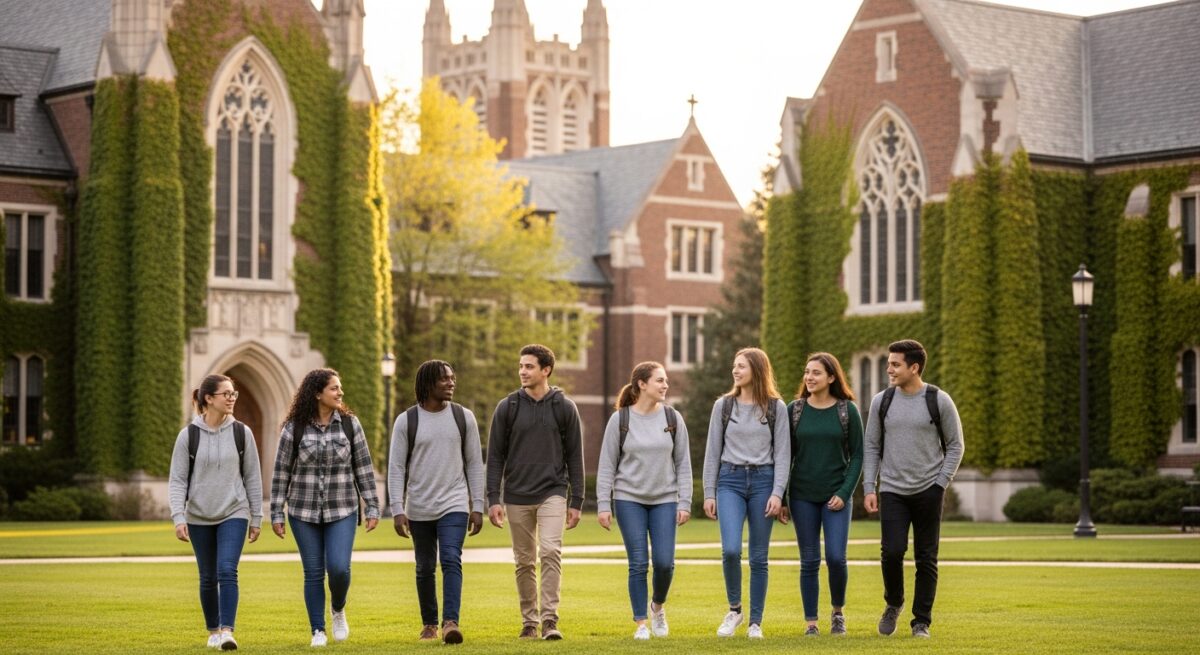
Choosing a university is one of the most significant decisions a student and family can make. For those who value a faith-based education, the search often narrows to Catholic institutions, which blend academic rigor with spiritual growth. But with dozens of excellent options across the United States, how do you identify the best Catholic universities for your goals? This guide breaks down what makes these schools exceptional, highlights key factors to consider, and offers a curated list of standout institutions to help you make an informed choice.
Catholic universities are not a monolith. They range from large research institutions to small liberal arts colleges, each with its own charism, academic strengths, and campus culture. Some are urban and bustling, others are suburban and intimate. What unites them is a commitment to integrating faith and reason, fostering a community that values service, ethics, and the whole person. For many students, this holistic approach is exactly what they seek in a college experience.
In this comprehensive guide, we will explore the criteria that define a top-tier Catholic education, profile some of the most respected institutions, and provide practical advice for your application journey. Whether you are a high school student starting your search, a parent helping your child evaluate options, or an adult considering a return to school, this article will equip you with the knowledge you need.
What Makes a Catholic University Stand Out?
When evaluating the best Catholic universities, several factors distinguish them from other private and public institutions. Academics are paramount, but so is the integration of faith into campus life. Here are the key pillars to consider:
- Academic Excellence: Strong programs across liberal arts, sciences, business, engineering, and health professions, with rigorous faculty and research opportunities.
- Faith Integration: A visible commitment to Catholic social teaching, sacramental life, and theological study, often through a required core curriculum.
- Community and Service: A culture that encourages volunteerism, social justice initiatives, and ethical leadership, both locally and globally.
- Campus Ministry and Spiritual Life: Access to chaplains, retreats, liturgy, and interfaith dialogue that support students of all backgrounds.
- Career Outcomes and Alumni Network: Strong career services, internship placements, and an engaged alumni network that helps graduates succeed.
These elements work together to create an environment where students are challenged intellectually and nurtured spiritually. For example, a university like the University of Notre Dame is renowned for its research output and its vibrant residence hall chapels. Similarly, Georgetown University offers world-class programs in international relations while maintaining a Jesuit tradition of service and reflection. Each institution interprets the Catholic identity uniquely, so it is essential to find the one that aligns with your values and aspirations.
Moreover, the concept of cura personalis, meaning care for the whole person, is a hallmark of many Catholic institutions, especially those in the Jesuit tradition. This philosophy ensures that you are not just a number, but a person with intellectual, emotional, and spiritual needs. When researching, look for how schools articulate this mission in their mission statements and campus policies. The best Catholic universities will clearly demonstrate how they live out these values daily.
Top Catholic Universities to Consider
While rankings can be subjective, several Catholic universities consistently appear at the top of national lists for their academic strengths, student satisfaction, and post-graduation success. Here is a detailed look at some of the most prominent and respected options.
University of Notre Dame
Located in South Bend, Indiana, Notre Dame is arguably the most recognizable Catholic university in the United States. It is known for its fierce school spirit, strong alumni network, and exceptional academics. The university offers more than 70 majors across its colleges of Arts and Letters, Science, Engineering, Business, and Architecture. Its Mendoza College of Business is particularly prestigious, with undergraduate programs that rank in the top tier nationally. Notre Dame’s commitment to research is evident in its numerous institutes and centers, including the Kellogg Institute for International Studies.
Faith is woven into the fabric of campus life. The Basilica of the Sacred Heart is the spiritual heart of the university, and residence halls are communities of faith and friendship. Students can participate in retreats, service trips, and daily Mass. The university’s motto, Vita, Dulcedo, Spes, meaning Life, Sweetness, Hope, reflects a deep devotion to Mary. With an acceptance rate around 15%, admission is highly competitive, but for those who gain entry, the rewards are substantial. Graduates enjoy a powerful network of more than 130,000 alumni, many of whom hold leadership positions in business, government, and non-profits.
Georgetown University
As the oldest Catholic university in the nation, founded in 1789, Georgetown has a rich history and a global reputation. Situated in Washington, D.C., it offers students unparalleled access to internships and careers in government, international affairs, and public policy. The School of Foreign Service is world-renowned, and the McDonough School of Business is equally respected. Georgetown is a Jesuit institution, which means its education emphasizes critical thinking, ethical reflection, and a commitment to social justice.
The university’s location is a major draw. Students can walk to Capitol Hill, the Supreme Court, and countless think tanks and NGOs. This urban setting provides a unique learning laboratory. Spiritually, Georgetown fosters interreligious dialogue and offers a vibrant Campus Ministry. The Dahlgren Chapel hosts Masses and services, and students are encouraged to explore their faith in a diverse, cosmopolitan environment. With an acceptance rate of about 17%, it is highly selective, but the payoff is a degree with global recognition and a network of influential alumni, including former President Bill Clinton and numerous senators and diplomats.
Boston College
Boston College (BC) is another top-tier Jesuit institution, located in Chestnut Hill, Massachusetts, just outside Boston. It is known for its beautiful gothic architecture, strong sense of community, and rigorous academics. The Carroll School of Management is highly regarded, as are the Lynch School of Education and Human Development and the Connell School of Nursing. BC places a strong emphasis on the liberal arts, requiring all students to take a core curriculum that includes philosophy, theology, history, and natural sciences.
The campus is a close-knit community where students often say they feel a sense of belonging from the moment they arrive. Retreats, service immersion programs, and weekly Mass are popular. The university’s commitment to cura personalis is evident in its advising system and mental health resources. BC has an acceptance rate of around 26%, making it competitive, but not as selective as Notre Dame or Georgetown. Its location allows students to enjoy the cultural and professional opportunities of Boston while living on a serene, suburban campus. Alumni often cite the strong Jesuit network as a lifelong benefit.
Villanova University
Villanova, located in Villanova, Pennsylvania, is an Augustinian Catholic university that has risen dramatically in national rankings over the past two decades. It is particularly famous for its undergraduate business school, which is consistently ranked among the best in the country. The College of Engineering and the College of Nursing are also excellent. Villanova’s emphasis on community, service, and ethical leadership attracts students who want a balance of academic challenge and a supportive social environment.
The university’s Augustinian tradition emphasizes the pursuit of truth through dialogue and community. Students are encouraged to serve others through programs like the St. Thomas of Villanova Day of Service. The campus is active with more than 300 student organizations, and the basketball team’s national championships have boosted school pride. With an acceptance rate of about 25%, Villanova is selective. Its graduates are highly sought after by employers, particularly in finance and consulting, thanks to a strong alumni network and career services that prioritize internships.
The College of the Holy Cross
If you are looking for a small liberal arts college with a strong Catholic identity, the College of the Holy Cross in Worcester, Massachusetts, is an excellent choice. It is one of the oldest Catholic colleges in the country, founded in 1843 by the Jesuits. Holy Cross offers a rigorous liberal arts curriculum with no graduate students, meaning undergraduate receive full attention from faculty who are devoted to teaching. The school is known for its strong programs in the humanities, social sciences, and sciences.

The community is tight-knit, with a residential campus that fosters deep friendships and intellectual exploration. Holy Cross has a strong commitment to service and social justice, with many students participating in immersion trips and community-based learning. The acceptance rate is around 33%, making it more accessible than some peers, but the academic rigor is comparable. Graduates often praise the critical thinking and writing skills they developed, which serve them well in any career. The alumni network is loyal and helpful, particularly in the Northeast.
University of Dayton
The University of Dayton (UD) in Ohio is the largest private university in the state and is affiliated with the Marianist order. It is known for its strong engineering, business, and education programs, as well as its commitment to community engagement. UD’s campus is beautiful, with a mix of historic and modern buildings, and it has a strong sense of school spirit. The university’s motto, Learn, Lead, Serve, is taken seriously, with students logging thousands of hours of service each year.
UD is also recognized for its research, particularly in fields like materials engineering and human rights. The University of Dayton Research Institute (UDRI) is a leader in applied research. With an acceptance rate of around 73%, it is much less selective than the other schools on this list, making it a great option for students who want a high-quality Catholic education without the intense competition. The Marianist charism emphasizes community and family, and students often describe UD as a welcoming and supportive place.
Factors to Weigh in Your Decision
Beyond the big names, there are many other excellent Catholic universities, such as Fordham University in New York, Santa Clara University in California, and Loyola University Chicago. Each has its own strengths. When making your shortlist, consider the following practical factors:
- Location: Do you prefer an urban campus or a rural one? Proximity to home or a specific industry can be crucial.
- Size: Large universities offer more resources and diverse activities, while smaller colleges provide more personalized attention.
- Academic Programs: Ensure the school offers your intended major and has strong faculty in that department. Look into research opportunities and internship placements.
- Financial Aid: Compare the net price after scholarships and grants. Many Catholic universities offer generous aid, but it varies widely.
- Campus Culture: Visit if possible, or do virtual tours. Talk to current students to get a feel for the social atmosphere and religious practices.
Another important aspect is the strength of the alumni network in your desired career field. For example, if you are interested in finance, Notre Dame and Villanova have strong pipelines to Wall Street. If you are drawn to public service, Georgetown is unmatched. Use resources like LinkedIn to see where alumni work and connect with a few to ask about their experience. This can provide invaluable insights.
Also, consider the university’s support for students of all faiths. While these are Catholic institutions, they welcome students of other religions and those with no religious background. The best Catholic universities foster an environment of respect and dialogue, where you are free to explore your own beliefs. Look for campus ministry programs that are inclusive and offer opportunities for interfaith engagement.
For those who are considering online or flexible options, some Catholic universities also offer strong online degree programs. For example, CollegeDegree.School is an excellent resource to explore a wide range of degree options, including online programs from reputable institutions. This can be a great way to access a Catholic education while balancing work and family commitments.
Frequently Asked Questions
Are Catholic universities only for Catholic students?
No. While these institutions are rooted in the Catholic tradition, they welcome students of all faiths and backgrounds. In fact, many Catholic universities have a significant percentage of non-Catholic students. The goal is to provide a values-based education that emphasizes ethics, service, and community, which appeals to a broad audience.
How much do Catholic universities cost?
Tuition at private Catholic universities can be high, often over $50,000 per year. However, most offer substantial financial aid packages, including merit scholarships and need-based grants. The actual net price you pay can be significantly lower. Always use the school’s net price calculator to estimate your out-of-pocket cost.
What is the difference between a Jesuit and a non-Jesuit Catholic university?
Jesuit universities (like Georgetown, Boston College, and Holy Cross) are run by the Society of Jesus and emphasize intellectual rigor, social justice, and cura personalis. Non-Jesuit Catholic universities may be run by other orders (e.g., Augustinians at Villanova, Marianists at Dayton) or by dioceses. While all share a common Catholic foundation, each order brings its own unique charism and educational philosophy.
Do Catholic universities have a diverse student body?
Yes, top Catholic universities are increasingly diverse. They actively recruit students from different racial, ethnic, and socio-economic backgrounds. For example, Georgetown and Notre Dame have robust programs to support first-generation and underrepresented students. This diversity enhances the educational experience for everyone.
How do I choose between a Catholic university and a secular university?
Consider your priorities. If you want an education that integrates faith and values into your academic and social life, a Catholic university may be a better fit. If you prefer a purely secular environment, a public or private non-religious school might be more suitable. Visit both types of campuses to see where you feel most comfortable.
Making the Final Choice
Selecting from the best Catholic universities is a personal journey. It is about finding a place where you can grow intellectually, spiritually, and socially. Start your search early, visit campuses, and ask questions. Talk to admissions counselors, current students, and alumni to get a sense of each community.
Remember that the prestige of a school is only one factor. Your own engagement and initiative will determine much of your success. The best university for you is one that challenges you, supports you, and aligns with your values. Take advantage of resources like college fairs and online databases to broaden your options.
Ultimately, a Catholic university can offer a transformative educational experience that prepares you not just for a career, but for a life of meaning and purpose. The schools highlighted here are excellent starting points, but there are many other wonderful institutions to explore. Be open, do your research, and trust your instincts. Your future is bright, and the right Catholic university can help you shine.