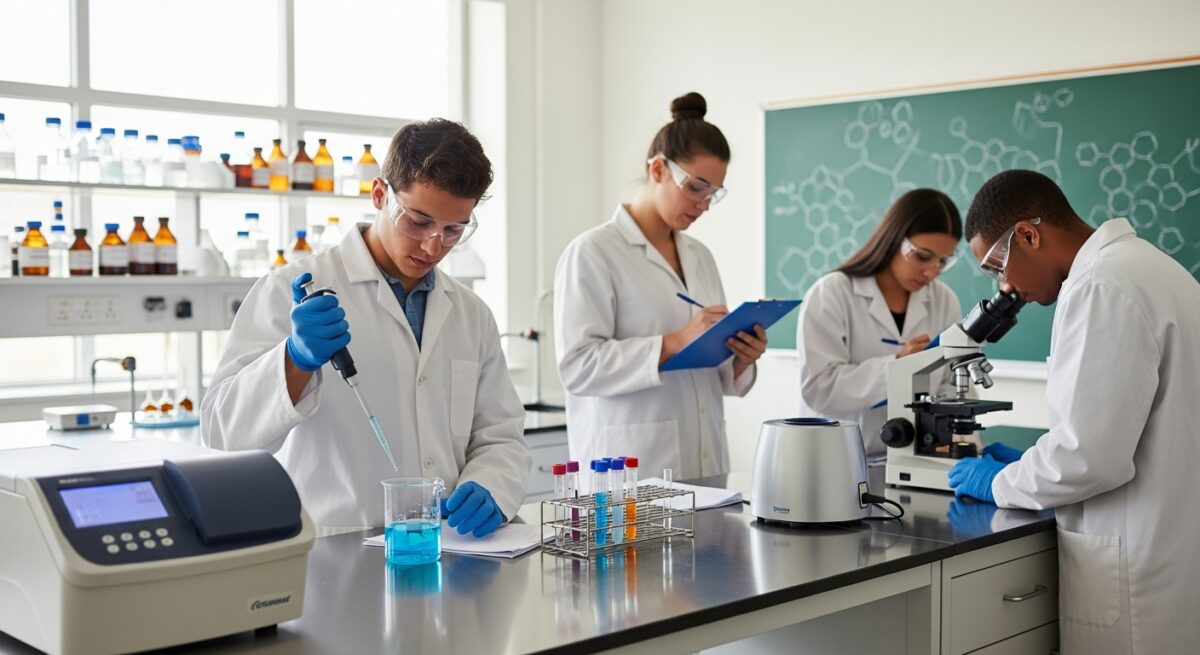
Biochemistry sits at the crossroads of biology and chemistry, unraveling the molecular machinery of life. For students passionate about medicine, research, or biotechnology, choosing the right program is a pivotal decision. The best biochemistry schools offer rigorous coursework, cutting-edge research opportunities, and strong career support. This guide explores what makes a top-tier biochemistry program, highlights standout institutions, and provides a roadmap for selecting the ideal fit for your academic and professional goals.
What Defines a Top Biochemistry Program
Evaluating biochemistry programs requires looking beyond rankings. The best biochemistry schools share several key attributes that foster academic excellence and career readiness. Faculty expertise is paramount: leading departments feature professors who are active researchers in areas like enzymology, structural biology, and molecular genetics. This expertise translates into robust research opportunities for undergraduates, often leading to co-authored publications and conference presentations. Access to advanced laboratory equipment, such as NMR spectrometers and cryo-electron microscopes, is another hallmark of top-tier programs, enabling students to engage in authentic scientific inquiry.
Curriculum design also matters. The best biochemistry colleges integrate foundational coursework in organic chemistry, physical chemistry, and molecular biology with hands-on lab experiences. Many programs offer specialized tracks, such as pre-medical, bioinformatics, or pharmaceutical sciences, allowing students to tailor their studies. Furthermore, strong programs provide dedicated academic advising, career counseling, and internship placements, ensuring students graduate with both scientific knowledge and professional skills. Alumni networks and industry partnerships are additional indicators of a program’s quality, opening doors to graduate school placements and employment in top research institutions or biotech firms.
Top Biochemistry Schools in the United States
While “best” is subjective, certain institutions consistently rank high for their biochemistry offerings, research output, and student outcomes. The following list highlights programs that excel in both teaching and research, offering unique advantages for different career paths.
- Massachusetts Institute of Technology (MIT): Known for its rigorous curriculum and cutting-edge research, MIT’s Department of Chemistry and Biology offers a joint biochemistry track that emphasizes molecular engineering and systems biology.
- Stanford University: Stanford’s interdisciplinary approach integrates biochemistry with bioengineering and medical sciences, providing students with access to the Stanford School of Medicine and its extensive research facilities.
- University of California, Berkeley: A powerhouse in chemical biology, Berkeley offers a highly flexible curriculum with numerous research labs, particularly strong in structural biology and biochemistry of disease.
- Harvard University: With its renowned faculty and state-of-the-art resources, Harvard’s Chemistry and Chemical Biology program allows undergraduates to perform research in fields like drug discovery and protein engineering.
- Johns Hopkins University: A perfect choice for pre-medical students, Johns Hopkins blends biochemistry with its world-class medical school, offering clinical research opportunities and a strong focus on biomedical applications.
These institutions are not the only excellent options. Other top biochemistry colleges include Caltech, the University of Washington, and the University of North Carolina at Chapel Hill, each offering unique strengths in areas like computational biochemistry or environmental toxicology. When evaluating programs, consider factors such as class size, research flexibility, and graduation rates to determine which school aligns with your personal learning style.
Why Location Matters for Biochemistry Majors
Geographic location can significantly impact your biochemistry education and career trajectory. Schools in or near major biotech hubs, such as the Boston-Cambridge area, the San Francisco Bay Area, or the Research Triangle in North Carolina, provide unparalleled internship and job opportunities. These regions host numerous pharmaceutical companies, biotech startups, and government research institutions, offering students part-time work, summer internships, and post-graduation employment. For example, a student at MIT or Harvard can easily intern at biotech giants like Moderna or Biogen, while a UC Berkeley student might collaborate with Genentech or Novartis.
Additionally, location influences research specializations. Schools in agricultural states, like Iowa or Nebraska, may focus on plant biochemistry or food science, while coastal institutions might emphasize marine biochemistry or oceanography. Consider what subfield excites you and seek programs that excel in that niche. Finally, remember that the cost of living and scholarship availability vary by region, which can affect your overall college experience. Use resources like the scholarship and financial aid tools to assess affordability and explore funding options that align with your budget.
Research Opportunities and Internships
Hands-on research is the cornerstone of a biochemistry education. The best biochemistry schools offer multiple entry points into research, from for-credit independent study to paid summer fellowships. Look for programs that provide a structured research sequence, such as a freshman-level lab that introduces techniques like PCR and gel electrophoresis, followed by advanced projects in later years. Many departments also host annual research symposia where students present their findings, a great way to build confidence and network with faculty.
Internships are equally valuable, offering real-world applications of classroom knowledge. Leading programs maintain partnerships with hospitals, biotech companies, and government agencies like the FDA or NIH. For instance, a student at Johns Hopkins might intern at the National Institutes of Health in nearby Bethesda, Maryland, while a student in the Bay Area could work at a startup focusing on CRISPR technology. Seek schools that have dedicated career centers with staff who specialize in STEM placements, and check if the program offers academic credit for internships. These experiences not only strengthen your resume but also clarify your career interests, whether in academic research, industry, or healthcare.

Pre-Medical and Career Pathways
Many biochemistry majors aspire to medical school, and the best biochemistry colleges provide robust support for pre-medical students. This includes dedicated pre-health advising, MCAT preparation courses, and a curriculum that covers all prerequisite courses like physics, calculus, and English. Some programs offer combined BS/MD or BS/PhD tracks, which can streamline the application process. For students not pursuing medicine, biochemistry opens doors to careers in biotechnology, forensic science, environmental analysis, and pharmaceutical sales. Graduate studies in biochemistry, molecular biology, or bioinformatics are common next steps for those interested in research leadership.
Career outcomes for biochemistry graduates are diverse. According to the Bureau of Labor Statistics, employment in biological scientists is projected to grow 5% from 2022 to 2032, with a median salary of over $90,000. Entry-level roles include research assistant, quality control analyst, or clinical laboratory technician. With a master’s degree, you can advance to research scientist or laboratory manager. A Ph.D. is typically required for independent research or university teaching. The best programs provide career counseling that helps students navigate these pathways, including alumni panels and job placement services. Additionally, many schools offer co-op programs that alternate semesters of study with paid work terms, giving you a year of professional experience before graduation.
Choosing the Right Biochemistry School for You
Selecting a biochemistry program is a personal decision that should consider your academic interests, career goals, and financial situation. Start by listing your priorities: research areas, class size, location, and cost. Use online databases and college websites to compare programs, but also reach out to admissions offices and current students to gain insider perspectives. Attend virtual information sessions or campus tours to get a feel for the department culture. Remember that the most prestigious school is not always the best fit; a smaller college with close faculty mentorship might offer more personalized attention and research opportunities.
Financial considerations are crucial. The best biochemistry schools often have high tuition, but they also offer generous financial aid packages. Research scholarships, grants, and work-study opportunities. The CollegeDegree.School website provides comprehensive guides on financial aid and affordable online degrees, which can be invaluable as you evaluate options. Additionally, consider the return on investment: a program with strong industry connections may lead to higher starting salaries, offsetting initial costs. Finally, trust your instincts. Choose a school where you feel you will thrive academically and personally, as this will set the stage for long-term success in the exciting field of biochemistry.
Frequently Asked Questions
What is the average starting salary for biochemistry graduates?
Starting salaries for biochemistry graduates typically range from $45,000 to $60,000 per year, depending on the role and location. Entry-level positions in industry or government often pay more than academic research labs. With a master’s degree, starting salaries can jump to $70,000 or higher.
Can I get into medical school with a biochemistry degree?
Yes, biochemistry is a common and strong pre-medical major. It fulfills all medical school prerequisites and provides a strong foundation in the sciences needed for the MCAT. Many medical schools view biochemistry majors favorably due to their rigorous course load.
Are online biochemistry degrees respected?
Online biochemistry degrees are becoming more respected, especially if they are accredited and include virtual labs or hybrid components. However, for research-intensive careers, an in-person degree is often preferred. Online programs are excellent for working professionals seeking career advancement.
Ultimately, the best biochemistry schools are those that align with your unique goals and provide the resources to help you succeed. Whether you dream of discovering a new drug, fighting infectious diseases, or unraveling the secrets of the genome, a strong biochemistry education is your first step. Take the time to research your options, visit campuses, and ask tough questions about research opportunities and career support. With careful planning, you can find a program that not only imparts knowledge but also ignites a lifelong passion for discovery. Your journey in biochemistry starts with choosing the right foundation, so equip yourself with the tools and information to make a confident choice.