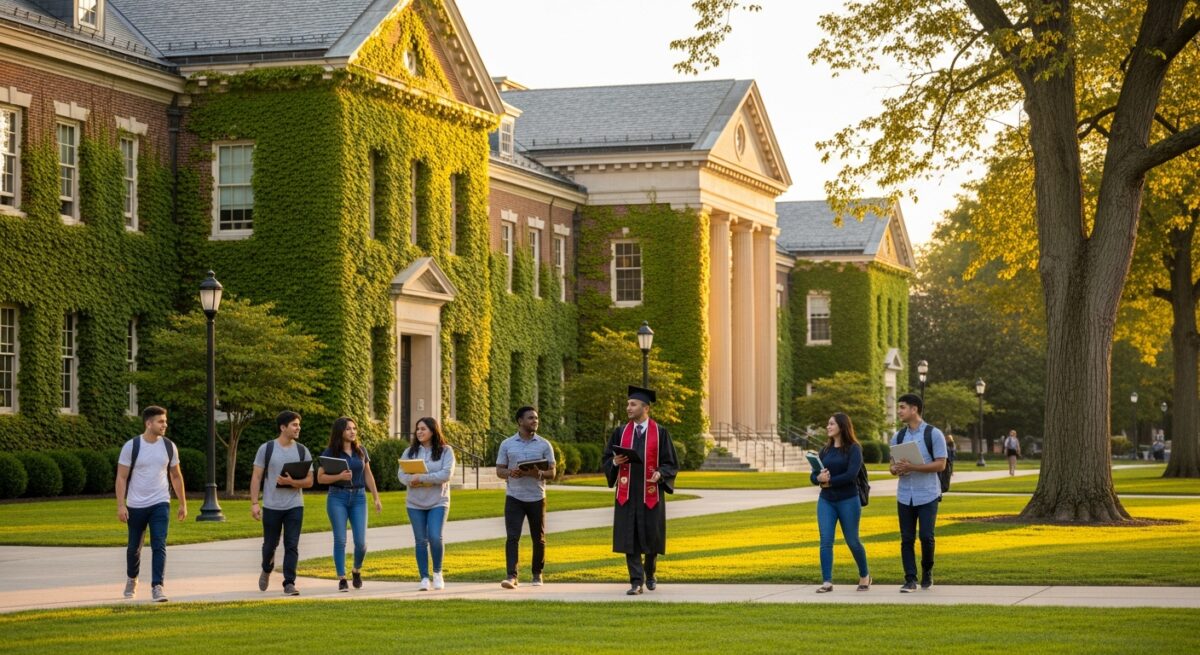
When you hear the phrase “most prestigious universities,” images of ivy-covered walls, Nobel laureates, and cutting-edge research labs likely come to mind. These institutions carry a reputation that transcends borders, attracting the brightest minds and offering unparalleled resources. But what truly sets them apart? And more importantly, how can you determine if one of these prestigious colleges is the right fit for your academic and career aspirations? This guide breaks down the meaning of prestige, explores the top-ranked schools, and provides a framework for making an informed decision.
What Defines a Prestigious University?
Prestige is not a single metric but a combination of factors that build a university’s reputation over decades or even centuries. The most prestigious universities consistently demonstrate excellence in research, teaching, and alumni outcomes. Key elements include faculty quality (measured by awards like Nobel Prizes), selectivity in admissions, the breadth of academic programs, and the success of graduates in securing influential roles in business, government, and academia. Financial endowment also plays a role: schools with large endowments can invest in state-of-the-art facilities, generous scholarships, and world-class faculty, which in turn attracts top students and researchers.
However, prestige is also perceptual. Media rankings from organizations like U.S. News & World Report, QS, and Times Higher Education influence public opinion, but they use different methodologies. Some emphasize research output, while others prioritize student satisfaction or employer reputation. Because rankings can fluctuate, it is important to look beyond the numbers and understand what each institution truly offers. A school might rank high overall but have weaker programs in your specific field of interest. That is why defining prestige for yourself requires aligning the university’s strengths with your personal goals.
The Ivy League and Global Peers
Within the United States, the Ivy League stands as the hallmark of academic prestige. Harvard, Yale, Princeton, Columbia, Brown, Dartmouth, the University of Pennsylvania, and Cornell each boast centuries of tradition, influential alumni networks, and rigorous academics. But the world’s most prestigious universities extend far beyond the Northeast. Institutions like Stanford and MIT on the West Coast, the University of Chicago and Northwestern in the Midwest, and Duke in the South rival the Ivies in many fields. Globally, Oxford and Cambridge in the United Kingdom, the University of Tokyo, and the National University of Singapore hold similar elite status.
Each of these institutions has unique characteristics. For example, MIT is renowned for engineering and technology, while Oxford excels in the humanities and law. Stanford’s proximity to Silicon Valley creates unmatched entrepreneurship opportunities. When researching prestigious colleges, consider not just the name but the specific academic culture, location, and resources available to students in your intended major. A degree from a top-tier university can open doors, but only if the environment supports your growth.
Beyond the Top Ten: Hidden Gems
Prestige is not exclusive to the handful of schools that dominate the headlines. Many universities offer world-class programs in niche areas. The University of Michigan, for instance, is a public research powerhouse with top engineering, business, and medical schools. Similarly, the London School of Economics is globally respected in social sciences. These institutions may not always appear in the top five lists, but they provide exceptional education and strong career outcomes for students who choose the right path.
Factors Beyond Rankings
While rankings provide a useful starting point, they do not capture everything. The most prestigious universities often excel in certain critical dimensions that directly impact your experience. Here are key factors to evaluate:
- Accreditation: Legitimate prestige rests on proper accreditation. Ensure the university holds regional accreditation in the U.S. or equivalent recognition abroad. This affects credit transfer, financial aid eligibility, and employer respect.
- Alumni Network Strength: A powerful alumni network can provide mentorship, internships, and job placements. Ivy League and other elite schools maintain active alumni associations that span industries worldwide.
- Research Opportunities: Prestigious universities invest heavily in research, giving undergraduates access to labs, grants, and faculty mentors. Look for schools that prioritize undergraduate research, not just graduate-level work.
- Career Placement Rates: Examine where graduates go within six months of leaving. High placement rates in desirable fields like finance, consulting, technology, and medicine signal strong institutional support.
It is also wise to consider the cost. Prestige can come with a high price tag, but many elite schools offer generous need-based financial aid. For example, Harvard and Princeton meet 100% of demonstrated need without loans. Do not assume a list price is what you will pay. Use net price calculators and contact financial aid offices to get a realistic picture.
How to Evaluate Prestige for Your Goals
Choosing among the most prestigious universities is a deeply personal decision. Start by clarifying your priorities. Are you seeking a research-focused environment or a teaching-intensive college? Do you prefer a large university with thousands of students or a smaller liberal arts college like Williams or Amherst, which also carry tremendous prestige? Consider your career ambitions. If you aim for a PhD in a scientific field, the research reputation of the department matters more than the overall university brand. If you plan to enter business or law, the school’s network and national standing become critical.
Another important step is to visit campuses or attend virtual information sessions. Reading about a university is different from experiencing its culture first hand. Talk to current students and alumni about their experiences with advising, extracurricular opportunities, and campus life. Use resources like LinkedIn to see where alumni from specific departments work. This qualitative research complements the quantitative data from rankings.
For many students, the goal is to attend a school that balances prestige with personal fit. Rejections from top-tier schools are common, but remember that many excellent institutions offer outstanding education and strong career outcomes. A degree from a well-regarded state university can be just as valuable if it aligns with your major and career goals. The key is to match the institution’s strengths to your own.

The Role of Accreditation and Institutional Fit
Accreditation is a non-negotiable component of prestige. Without proper accreditation, a university’s degrees may not be recognized by employers or other institutions. In the United States, regional accreditation bodies like the Higher Learning Commission or the Southern Association of Colleges and Schools evaluate universities for quality. Prestigious universities always maintain this accreditation. Additionally, professional programs like engineering, nursing, and business often have specialized accreditations (e.g., ABET, CCNE, AACSB). When researching the most prestigious universities, verify that your intended program holds the appropriate credentials.
Institutional fit goes beyond accreditation. Consider class size, teaching style, and available support services. A prestigious university with a competitive, pressure-cooker atmosphere might suit one student but overwhelm another. Conversely, a supportive environment that fosters collaboration can help you thrive. Use campus tours, student reviews, and academic department websites to gauge the culture. Remember that you are investing years of your life and significant financial resources. Choose a place where you can succeed academically and personally.
For a comprehensive directory of accredited programs at prestigious and emerging institutions, visit CollegeDegree.Education. This resource helps you explore options across various fields and compare key features like cost, accreditation, and program format.
Frequently Asked Questions
What makes a university prestigious?
Prestige arises from a combination of factors: historical reputation, faculty excellence, selectivity, research output, alumni success, and financial resources. Rankings help quantify these elements but should be interpreted with context.
Are all Ivy League schools equally prestigious?
No. While all eight are highly respected, reputations vary by discipline. Harvard and Yale lead in law and business, Princeton excels in the humanities and sciences, and Cornell is strong in engineering and hotel administration. Choose based on program strength rather than just the Ivy name.
Can a public university be prestigious?
Yes. Many public universities like UCLA, University of Michigan, and University of Virginia are globally recognized for their research, faculty, and outcomes. They offer a more accessible path to a top-tier education, often with lower in-state tuition.
How important is prestige for graduate school admissions?
Graduate and professional schools consider your undergraduate institution’s reputation but place greater weight on your GPA, test scores, research experience, and recommendations. Attending a prestigious university can provide advantages like stronger letters and research opportunities, but it is not the only route.
Does prestige guarantee a job after graduation?
No. A prestigious degree helps open initial doors, but your skills, internships, and networking matter more. Employers value what you learned and accomplished, not just the name on your diploma.
In summary, the most prestigious universities offer undeniable advantages in resources, network, and reputation. However, the best choice for you depends on your unique goals, personality, and financial situation. Research thoroughly, consider both rankings and fit, and trust your instincts. With careful planning, you can find a prestigious college that sets you up for a successful and fulfilling future.