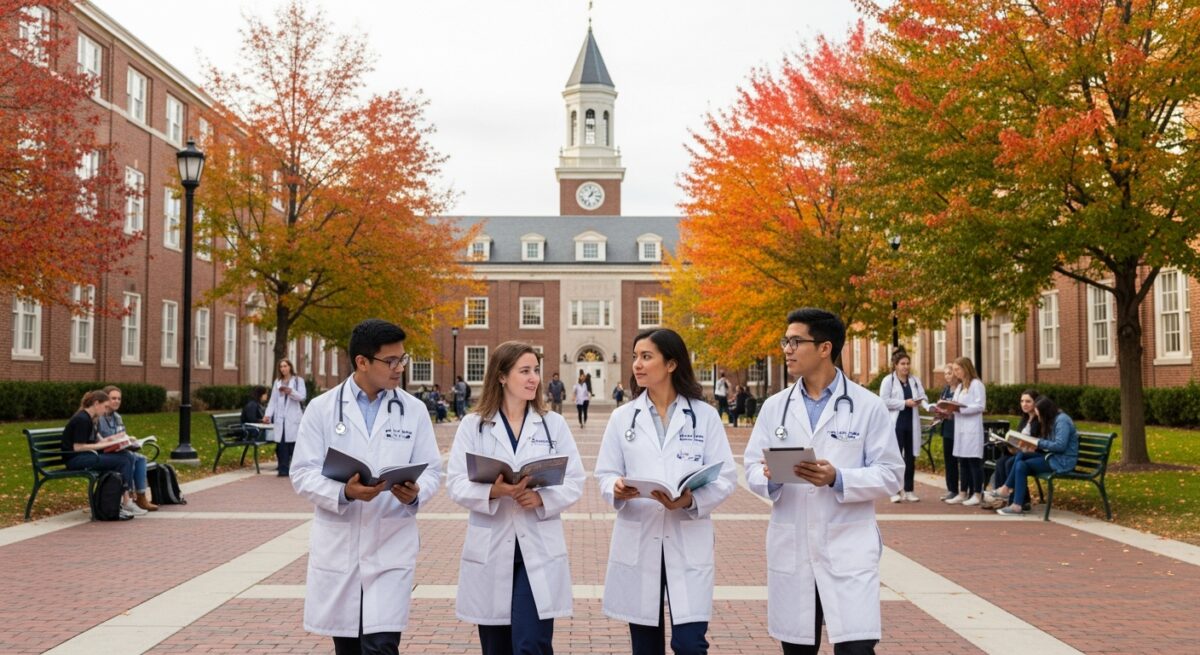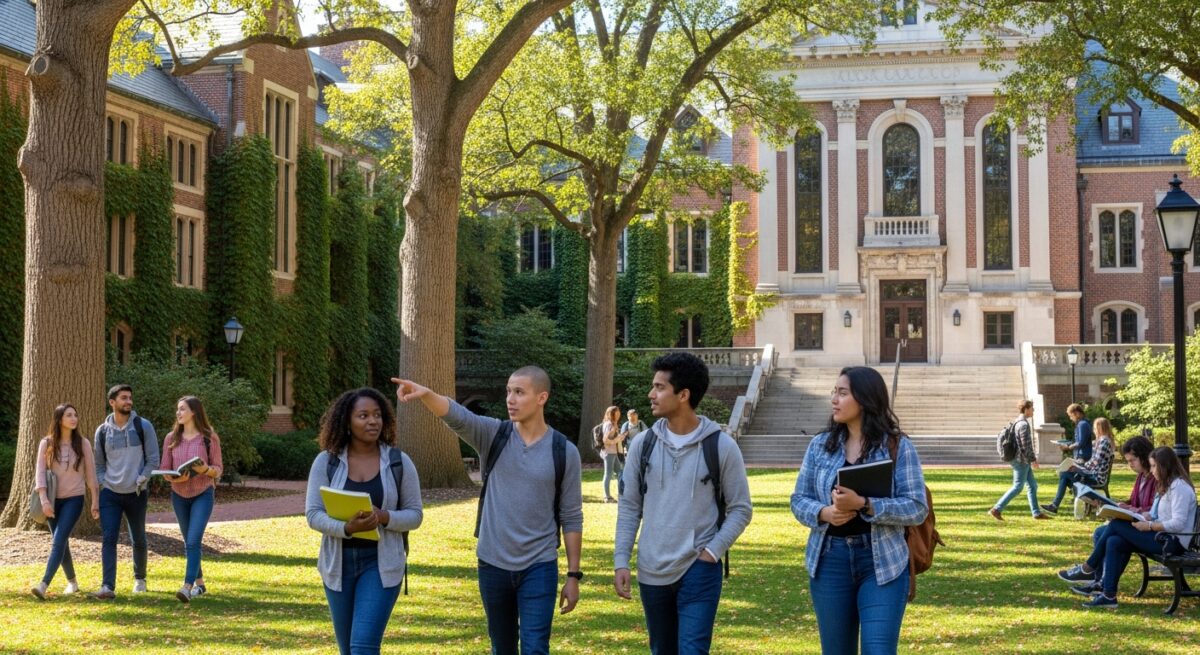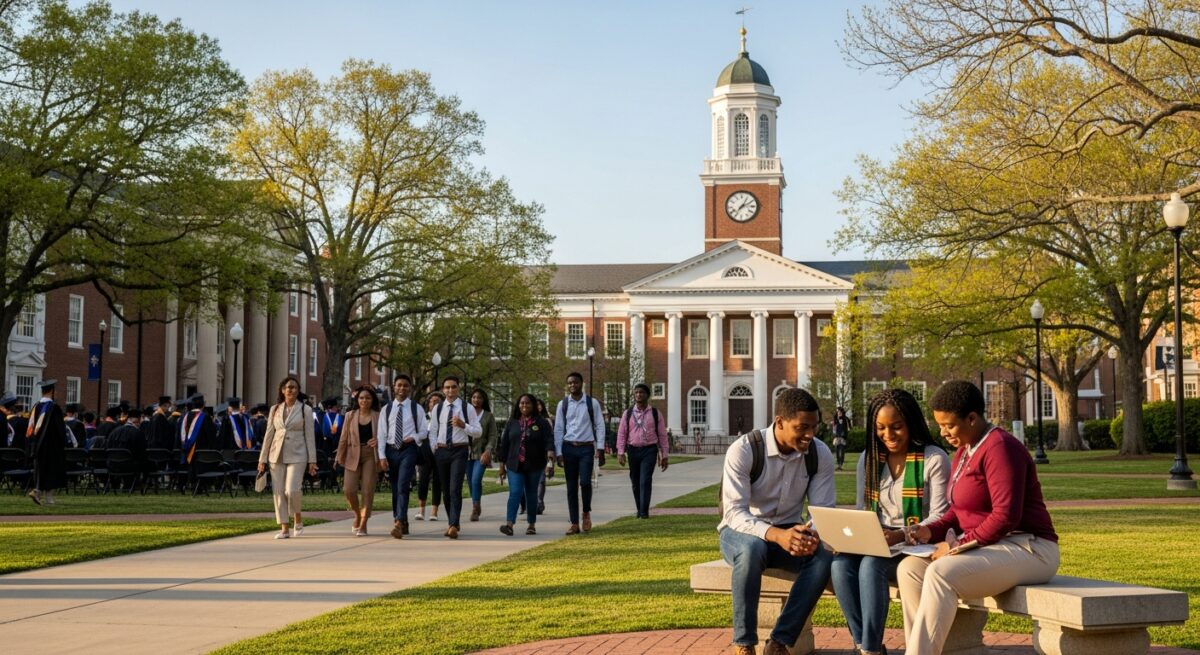
Choosing the right college is one of the most important decisions a student can make. For many Black students and those seeking a culturally enriching academic environment, Historically Black Colleges and Universities (HBCUs) offer a unique blend of rigorous academics, strong community support, and a proud legacy of producing leaders. This Best HBCU Colleges Guide will walk you through the top institutions, what makes them exceptional, and how to find the best fit for your goals. Whether you are a high school senior or a transfer student, understanding the landscape of HBCU colleges is the first step toward a transformative education.
Why Choose an HBCU College?
HBCUs were established primarily before the Civil Rights Act of 1964 with the mission of educating African American students. Today, they remain vital centers of academic excellence, cultural affirmation, and social mobility. Attending an HBCU college offers several distinct advantages that go beyond the classroom.
First, HBCUs are renowned for fostering a supportive and inclusive environment. Students often report feeling a strong sense of belonging and connection to their peers and faculty. This close-knit community can lead to higher retention and graduation rates compared to non-HBCU institutions for Black students. Second, many HBCU colleges have strong programs in STEM, business, education, and the health sciences. They produce a disproportionate number of Black engineers, doctors, and PhDs. Finally, the leadership development opportunities are unparalleled. From student government to Greek life and honor societies, HBCUs emphasize building confidence and professional skills.
Top-Ranked HBCU Colleges in 2026
When evaluating the best HBCU colleges, we consider factors such as academic reputation, graduation rates, financial aid availability, campus life, and post-graduation success. The following schools consistently rank at the top of national lists. They represent the gold standard in this Best HBCU Colleges Guide.
Spelman College
Located in Atlanta, Georgia, Spelman College is a private, liberal arts college for women. It is consistently ranked as one of the top HBCU colleges in the nation. Spelman is known for its strong programs in the sciences, particularly in biology and public health, as well as its renowned English and drama departments. The campus is vibrant, and the alumnae network is incredibly powerful. Spelman graduates often go on to top graduate programs and leadership roles in their fields. For women seeking a rigorous academic environment with a focus on empowerment, Spelman is often the first choice.
Howard University
Howard University in Washington, D.C., is a comprehensive research university and one of the most well-known HBCU colleges. It offers a wide range of undergraduate, graduate, and professional degrees. Howard is particularly famous for its programs in communications, business, law, and medicine. The university’s location in the nation’s capital provides students with unparalleled internship and networking opportunities. Howard’s campus is bustling with activity, and its history as a center for Black intellectualism and activism is deeply ingrained. It is a top choice for students who want a big-university experience with a strong focus on social justice and global impact.
Morehouse College
Morehouse College, also in Atlanta, is a private, liberal arts college for men. It shares a close relationship with Spelman College, and students often take classes across the two campuses. Morehouse is celebrated for its rigorous curriculum, its emphasis on leadership and character development, and its production of notable alumni, including Dr. Martin Luther King Jr. The college excels in business, political science, and engineering (through a dual-degree program with Georgia Tech). Morehouse provides a brotherhood environment that prepares men to become ethical leaders in their communities and professions.
North Carolina A&T State University
As a public land-grant university in Greensboro, North Carolina, North Carolina A&T is one of the largest HBCU colleges in the country. It is a powerhouse in STEM fields, especially engineering, agriculture, and technology. The university is also a leader in military science and has a strong ROTC program. A&T offers a more affordable option for in-state students and provides a classic large university experience with a strong sense of tradition. Its graduates are highly recruited by top companies, particularly in engineering and tech sectors.
Florida A&M University
Florida A&M University (FAMU) in Tallahassee is another top public HBCU college. It is nationally recognized for its pharmacy, journalism, and business programs. FAMU also has a strong marching band and a vibrant campus life. The university has a high graduation rate and is known for producing graduates who are well-prepared for the workforce. Its law school and graduate programs also attract many students.
How to Choose the Right HBCU College for You
Selecting from the many excellent HBCU colleges requires careful thought. Here are key factors to consider as you navigate this Best HBCU Colleges Guide. First, think about your academic interests. Are you looking for a strong STEM program, a liberal arts focus, or a specific pre-professional track? Schools like North Carolina A&T excel in engineering, while Spelman is strong in the humanities and sciences.
Second, consider the size and location. Do you prefer a small, intimate campus like Spelman or a large, comprehensive university like Howard or FAMU? Location matters for internships, cost of living, and personal comfort. Third, evaluate the financial aid package. HBCUs are often more affordable than many predominantly white institutions, but costs vary. Compare tuition, fees, and available scholarships. Many HBCU colleges offer generous merit-based and need-based aid.
Fourth, look at the campus culture and support services. Visit the campus if possible, or attend virtual events. Talk to current students about their experiences. Strong support services such as tutoring, career counseling, and mental health resources are critical for success. Finally, examine the alumni network and career outcomes. A strong alumni network can open doors for internships and jobs after graduation.
Financial Aid and Scholarships for HBCU Students
Financing your education at one of the top HBCU colleges is a priority for many families. Fortunately, there are numerous resources available. All HBCU colleges participate in the federal financial aid system, so completing the Free Application for Federal Student Aid (FAFSA) is essential. In addition to federal grants and loans, many schools have their own institutional scholarships based on academic merit, talent, or financial need.

External scholarships specifically for HBCU students are also abundant. Organizations like the United Negro College Fund (UNCF), the Thurgood Marshall College Fund, and the Gates Millennium Scholars program provide substantial support. Many corporations also offer scholarships for students attending HBCU colleges. It is important to start your scholarship search early and apply to as many as possible. For a deeper dive into affordable educational pathways, you can explore online degree options that complement traditional campus-based programs.
Academic Programs and Majors at HBCU Colleges
One of the strengths of HBCU colleges is the breadth and depth of their academic programs. While they are historically rooted in liberal arts and teacher education, many now offer cutting-edge programs in emerging fields. Here are some of the most popular and highly regarded majors at top HBCU colleges:
- STEM (Science, Technology, Engineering, and Mathematics): Schools like North Carolina A&T, Howard, and Morehouse are leaders in producing Black engineers and scientists. Programs in computer science, biology, chemistry, and physics are strong.
- Business and Entrepreneurship: Howard University and Florida A&M have top-ranked business schools. Many HBCU colleges also offer entrepreneurship centers and incubators.
- Health Sciences: Howard University College of Medicine and Florida A&M’s College of Pharmacy are nationally recognized. Nursing and public health programs are also popular.
- Communications and Media: Howard’s School of Communications is one of the best in the country for journalism, film, and public relations.
- Education: HBCUs have a long history of training teachers. Programs in elementary education, special education, and secondary education are strong.
When researching programs, look for accreditation and faculty credentials. Many HBCU colleges have partnerships with major corporations and research institutions, providing students with hands-on learning experiences and internships.
Student Life and Campus Culture
The campus culture at HBCU colleges is often described as family-like and empowering. Students frequently cite the sense of community and the celebration of Black culture as a highlight of their experience. Greek life is a significant component of social life, with the Divine Nine organizations (Alpha Phi Alpha, Delta Sigma Theta, etc.) having a strong presence on most campuses.
Homecoming is a major event at every HBCU college. It is a time for alumni to return and for current students to celebrate with parades, concerts, step shows, and football games. The marching bands and dance teams are legendary for their energy and talent. Beyond the social scene, there are countless student organizations, academic clubs, and service opportunities. This vibrant campus life helps students build lifelong friendships and professional networks. It is a core reason why many consider HBCU colleges the best choice for their personal and professional development.
Frequently Asked Questions (FAQ)
What is the difference between an HBCU and a regular college?
An HBCU (Historically Black College or University) was founded before 1964 with the primary mission of educating African American students. While they are open to all races, they maintain a strong cultural focus on the Black experience and often have a higher percentage of Black students and faculty compared to predominantly white institutions.
Are HBCU colleges only for Black students?
No. HBCUs are open to students of all races, ethnicities, and backgrounds. However, their history and culture are centered on the African American community. Many non-Black students choose HBCU colleges for their academic programs and inclusive environment.
How do I apply to HBCU colleges?
Most HBCU colleges use the Common Application, the Coalition Application, or their own institutional application. You will need to submit transcripts, test scores (if required), letters of recommendation, and essays. Be sure to check each school’s specific deadlines and requirements.
Are HBCU colleges more affordable than other schools?
Many HBCU colleges offer competitive tuition rates, especially public institutions for in-state students. Additionally, they often have generous scholarship programs and access to external funding sources like the UNCF. Overall, they can be a more affordable option while still providing a high-quality education.
What is the graduation rate at HBCU colleges?
Graduation rates vary by institution. However, top-tier HBCU colleges like Spelman, Howard, and Morehouse have graduation rates that are competitive with or exceed the national average for all colleges. HBCUs are known for their commitment to student success and support.
Your Next Steps: Making an Informed Decision
This Best HBCU Colleges Guide has highlighted the strengths of several top institutions and provided a framework for your decision. Remember that the best HBCU college for you is one that aligns with your academic goals, personal preferences, and financial situation. Start by visiting the websites of the schools that interest you. Schedule campus tours or attend virtual information sessions. Reach out to admissions counselors and current students with your questions. For more detailed comparisons, you can also refer to our guide on Top HBCU Colleges: A Guide to Excellence and Opportunity.
The journey to finding the right college is exciting and important. By using this guide and doing your own research, you can find an HBCU college that will challenge you, support you, and prepare you for a bright future. The legacy of excellence, leadership, and community at these institutions is waiting for you.